Quick answer
Gharb Soheil is a Nubian village on the west bank of the Nile just south of Aswan, known for brightly painted houses, family homes open for tea, henna and the baby crocodiles some households keep. It is the most visited Nubian village in Egypt: lively and welcoming, but commercial, so time and approach make a big difference.
What is Gharb Soheil?
It is a living Nubian village, Gharb (west) Soheil, whose people opened their homes to visitors and turned hospitality into the village's main income. Nubians are the indigenous people of the Nile valley between Aswan and central Sudan, with their own languages, music and architecture. Most Egyptian Nubian villages further south were drowned by Lake Nasser in the 1960s, which makes the surviving villages around Aswan, including this one, an important link to that culture; our Nubian culture guide explains the background.
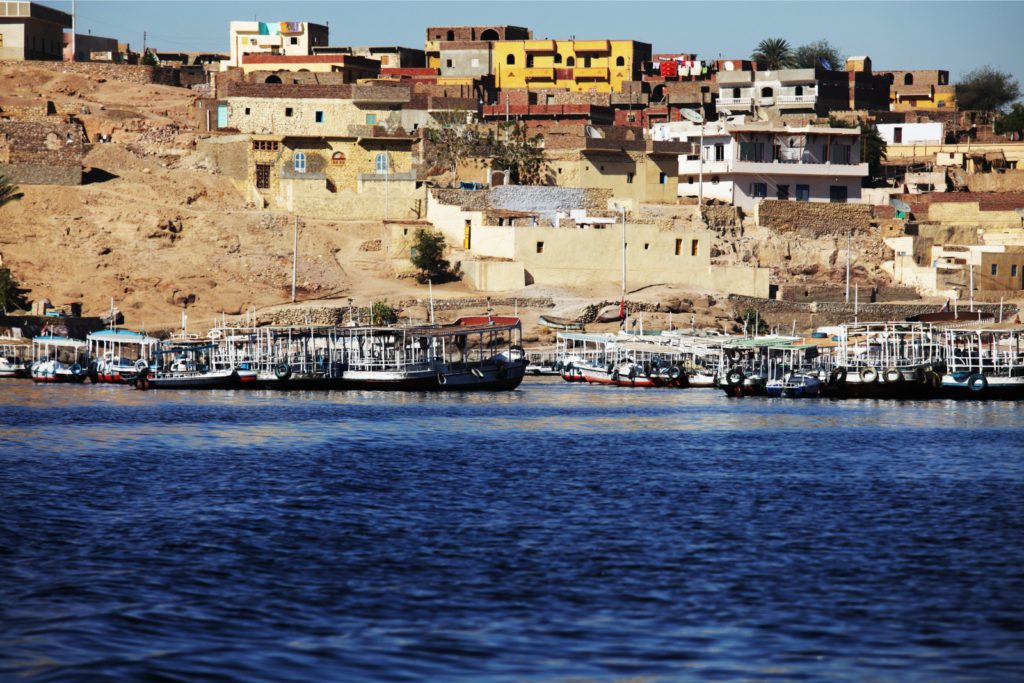
The village climbs a sandy slope above the river, with lanes of vaulted and domed houses painted in blues, yellows and pinks and decorated with geometric patterns, animals and hand-painted greetings. Many houses now also serve as cafes, craft shops and guesthouses.
What happens on a visit?
A typical visit is a walk through the lanes, tea or a cold hibiscus drink in a family home, a look at the house and its courtyard, and the chance to try henna and browse crafts. Inside a traditional house you will see the open courtyard, the vaulted rooms that stay cool in summer and decorative plates and baskets on the walls.
- The crocodiles: some households keep young Nile crocodiles in tanks or pens, and visitors are invited to hold one. Animal-welfare groups criticise the practice; you are under no obligation to take part.
- Henna: local women paint designs on hands or feet. Ask whether the henna is natural (reddish brown) rather than black, which can contain chemicals that cause skin reactions.
- Crafts and spices: beaded jewellery, baskets, scarves, hibiscus, dates and spices. Prices are negotiable, so haggle politely.
- Camel rides and a riverside beach: offered by some families, along with a swim where local boatmen say it is safe.
How do you visit respectfully?
Treat it as a neighbourhood, not a theme park: dress modestly, ask before photographing people and spend your money directly with the families you meet. Cover shoulders and knees, especially if invited into a home. Ask before photographing women and children, and accept a polite no. If you take tea or are shown around a house, buying something small or leaving a modest tip is the expected thanks.
Gharb Soheil is busiest in the late morning and early afternoon, when cruise groups arrive in quick succession, and the main lane can feel like a bazaar then. For a quieter, more personal visit, go later in the day, wander the back lanes or ask your guide to arrange a meal in a family home. Our guide to visiting a Nubian village compares Gharb Soheil with quieter alternatives, including the villages on Elephantine Island.
How do you get to Gharb Soheil?
The classic way is by motorboat from the Corniche, about 45 minutes upstream through the granite islands of the First Cataract. The ride is a highlight in itself, passing Sehel Island and stretches of riverbank with dunes running down to the water. Agree the price and waiting time in advance, or travel on a guided tour where the boat is included.
The village can also be reached by road in about 30 minutes via the west bank, which some travellers use one way to save time. Boats return after dark if you want to stay for dinner, but arrange this with your boatman before you leave Aswan.
How long should you spend there?
Allow two to three hours in total: about 45 minutes each way by boat and an hour or more in the village. Spend longer if you are eating with a family or staying overnight; several homes have become small guesthouses with rooftop terraces, a good option for travellers who want to see the village after the day boats leave.
Is Gharb Soheil good for families?
Yes, it is usually one of the highlights of Egypt for children: the boat ride, the colours, the camels and the chance to meet local kids. Our Egypt family adventure includes a Nubian village visit by boat, and the Classic Egypt and Nile Cruise includes one on its free day in Aswan. Bring hand sanitiser if your children handle animals, and sun protection for the open boat.
Toilets are available in the cafes and homes you visit, and a small tip or purchase is the polite way to use them. If you are visiting with very young children, keep them close near the river edge and the camel lines, where the lanes are narrow and busy.
Gharb Soheil Nubian Village: FAQs
Is Gharb Soheil too touristy?
It is commercial, especially at midday when cruise groups visit, but the hospitality is genuine. Go in the late afternoon, take time to walk the back lanes and spend money directly with families for a better experience.
Do you need a guide to visit Gharb Soheil?
No, but a guide or a trusted boatman makes it easier to be invited into a home and to arrange a meal. Independent visitors simply hire a motorboat from the Corniche.
Is it safe to hold a crocodile at the Nubian village?
The crocodiles offered are small, with their jaws often held or taped, and incidents are rare, but welfare concerns are real. It is your choice; you can enjoy the visit perfectly well without it.
What should I buy in a Nubian village?
Beaded jewellery, woven baskets, dried hibiscus for karkadeh tea, dates and spices are good buys. Pay sensible prices and buy from the people who make or sell them.
Can you stay overnight in Gharb Soheil?
Yes. Several Nubian families run simple guesthouses with rooftop terraces and home-cooked meals, and the village is far quieter after the day visitors leave.