Quick answer
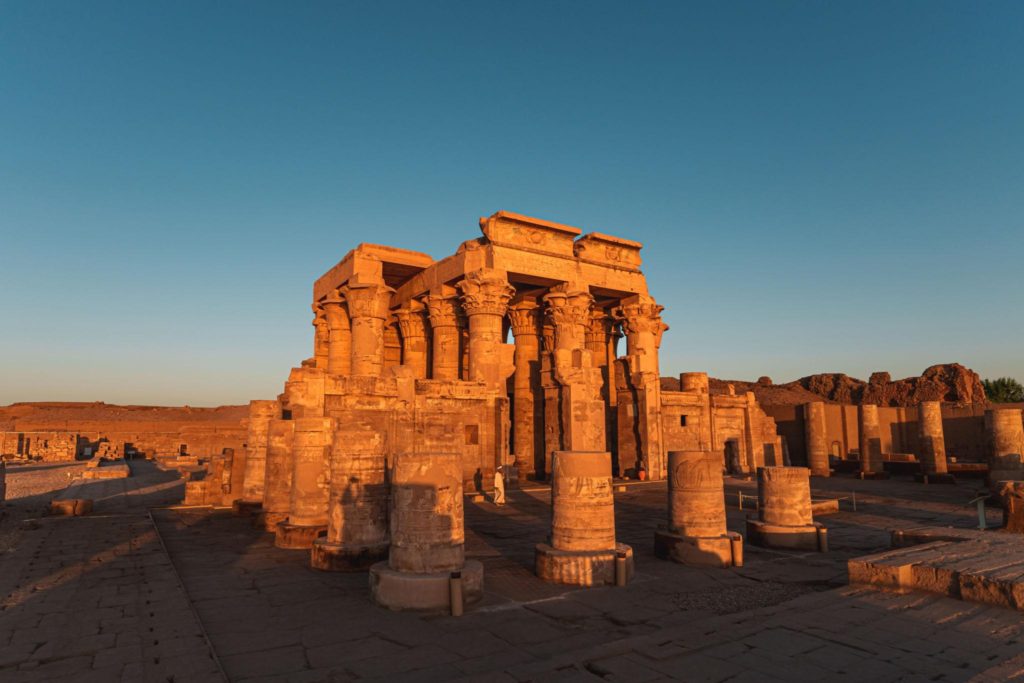
A classic Nile cruise sails the roughly 200 km stretch between Luxor and Aswan, taking 4 nights sailing upstream from Luxor to Aswan or 3 nights in reverse, and stops at the temples of Esna, Edfu and Kom Ombo. Choose a 5-star or luxury ship for comfort, a dahabiya (small sailing boat) for intimacy, or a Lake Nasser cruise to reach Abu Simbel. The best season is October to April.
What is a Nile cruise and why do it?
A Nile cruise is a floating hotel that carries you between Egypt's great southern temples, so you unpack once and see Luxor, Edfu, Kom Ombo and Aswan without long road transfers. Almost every ancient site in Upper Egypt sits within a few hundred metres of the river, which is why the Nile has been Egypt's highway for 5,000 years and why a cruise remains the most efficient way to see it.
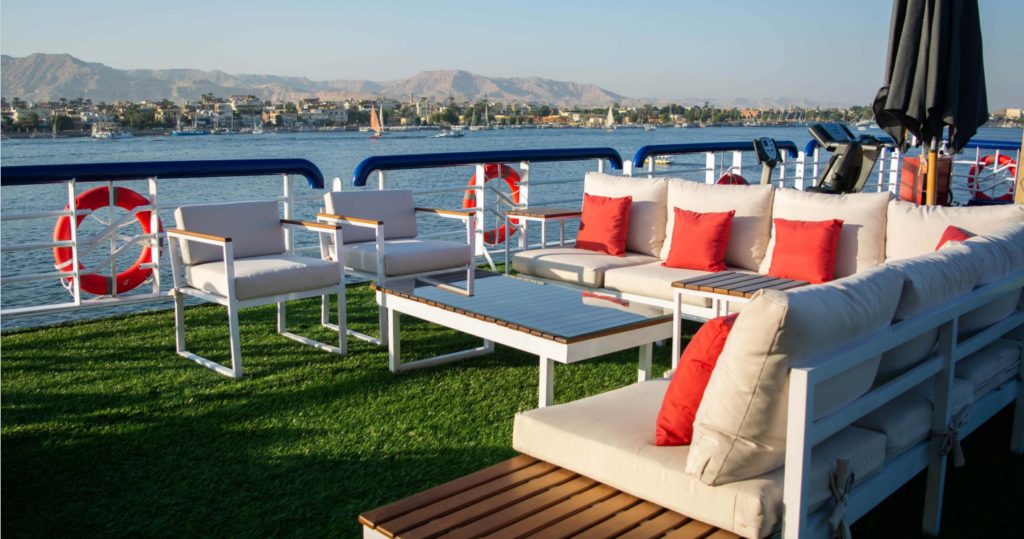
Beyond logistics, the cruise is the part of an Egypt holiday most travellers remember. Between temple visits you sit on the sun deck watching farmers, mud-brick villages and date palms slide past, with the desert cliffs never far behind the green strip. Sunset on the upper deck is the Egypt you imagined.
For Australians travelling a long way for one big trip, a cruise also builds rest into the itinerary. After the intensity of Cairo, three or four days of being looked after on board is a welcome change of pace.
Which Nile cruise route should I choose?
Most travellers should choose the 4-night Luxor to Aswan cruise; it is the classic route, it gives the most time at the temples, and it ends in Aswan, the best base for Abu Simbel. Here is how the main options compare.
Luxor to Aswan (4 nights, southbound)
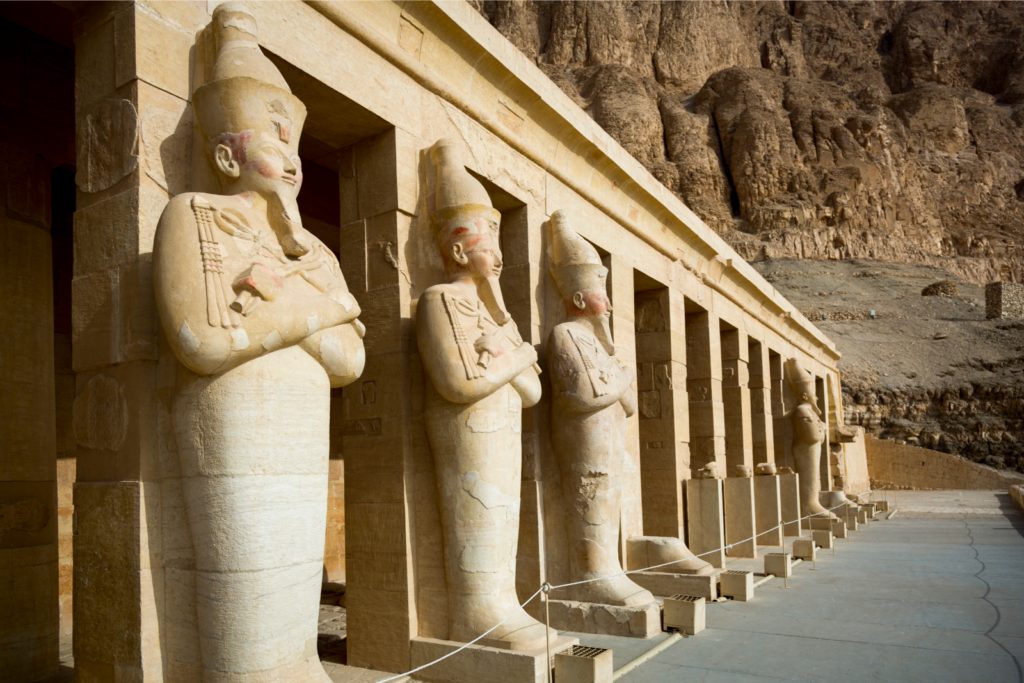
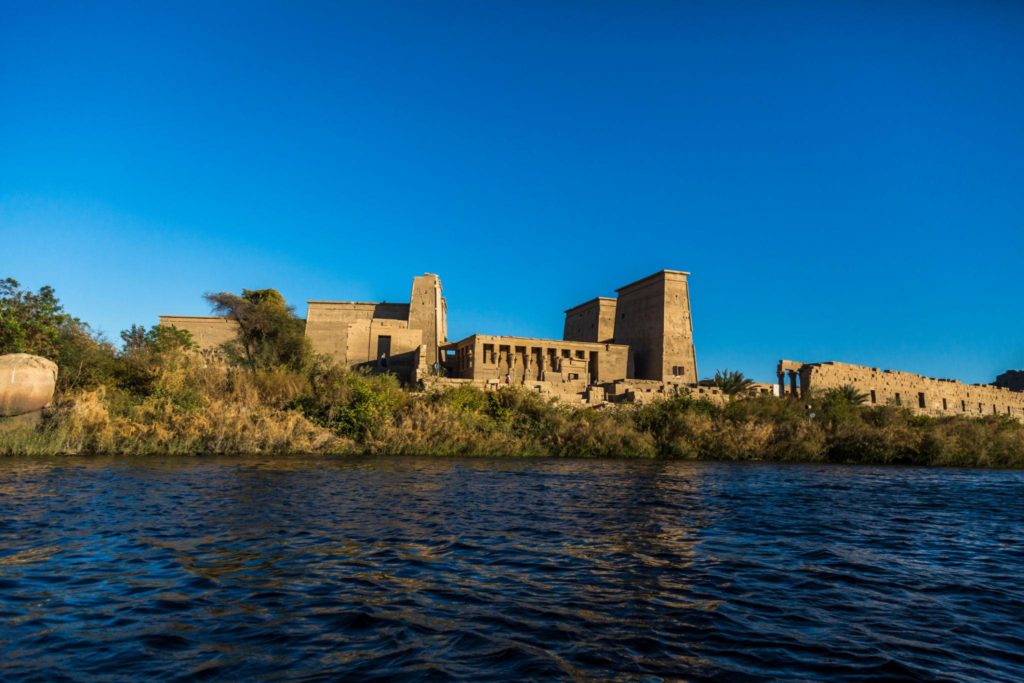
You board in Luxor, usually after visiting Karnak and Luxor temples, and spend a full day on the West Bank (Valley of the Kings, Hatshepsut's temple at Deir el-Bahari and the Colossi of Memnon). The ship then passes through the Esna lock, stops at Edfu for the Temple of Horus, the best-preserved temple in Egypt, and at Kom Ombo for the double temple of Sobek and Haroeris. In Aswan you typically visit the High Dam, the Unfinished Obelisk and Philae Temple and take a felucca around Elephantine Island. Because you are sailing against the current, the extra night means more relaxed sightseeing.
Aswan to Luxor (3 nights, northbound)
The same stops in reverse, compressed into three nights because the ship sails with the current. It suits travellers who start in Aswan (for example after Abu Simbel) or are short of time. The trade-off is earlier starts and a busier Luxor day at the end.
7-night round trip
Luxor to Aswan and back. It allows a slower pace and extra time in both cities, and some itineraries add Dendera and Abydos north of Luxor. It suits travellers who want the ship as their base for most of their time in the south.
Lake Nasser cruise (3 or 4 nights)
Above the Aswan High Dam, a handful of ships sail Lake Nasser between Aswan and Abu Simbel. You visit relocated Nubian temples such as Kalabsha, Wadi el-Seboua and Amada, see Qasr Ibrim from the deck, and arrive at Abu Simbel by water, often in time to see the temples lit at night. It is quiet, remote and spectacular, and works brilliantly combined with a classic Luxor–Aswan cruise.
How many nights should a Nile cruise be?
Four nights is the sweet spot for most first-time visitors. Three nights works if you are pressed for time, and seven nights suits slow travellers or those combining the Nile with Dendera and Abydos.
| Length | Typical route | Best for |
|---|---|---|
| 3 nights | Aswan → Luxor | Short trips, travellers who start in Aswan |
| 4 nights | Luxor → Aswan | First-timers; the classic choice |
| 4–5 nights | Esna → Aswan by dahabiya | Small-group or private sailing, quieter sites |
| 3–4 nights | Aswan ⇄ Abu Simbel (Lake Nasser) | Remote Nubian temples, arriving at Abu Simbel by boat |
| 7 nights | Luxor ⇄ Aswan round trip | Relaxed pace, ship as a base |
A useful rule: allow at least one extra night in Luxor before or after your cruise. Luxor has more to see than any cruise programme can fit, including the Tombs of the Nobles, Medinet Habu and the tomb of Nefertari, and an early-morning hot-air balloon flight over the West Bank.
What are the different Nile cruise ship categories?
Nile ships range from basic 4-star boats to genuinely luxurious small ships, and the category matters more than almost any other choice you make. Star ratings on the Nile are self-assigned and inconsistent, so judge a ship by its cabin size, age of refurbishment, number of passengers and the quality of its guiding.
- Standard / 4-star: large ships carrying 100–150 passengers, small cabins, buffet dining and big-group excursions. Fine on a tight budget, but noisy and crowded in peak season.
- Deluxe 5-star: the mainstream choice. Cabins of around 20–25 square metres with large windows, a pool on the sun deck, better food and smaller excursion groups. Quality varies widely between ships, so specialist advice pays off here.
- Luxury: a small number of boutique ships with fewer, larger cabins or suites, often with balconies, fine dining, an Egyptologist on board and excursions in small groups. Examples include the Oberoi ships and Sanctuary's Sun Boat fleet. These book out early for December to February.
- Dahabiyas: traditional two-masted sailing boats with roughly 4–12 cabins. See below.
When ships moor at Luxor, Edfu and Esna they often tie up side by side, up to five or six abreast, and you walk through other ships' lobbies to reach the bank. Cabins on the outer side can lose their view. Luxury ships and dahabiyas usually avoid this by using private or less crowded moorings.
What is a dahabiya and is it better than a cruise ship?
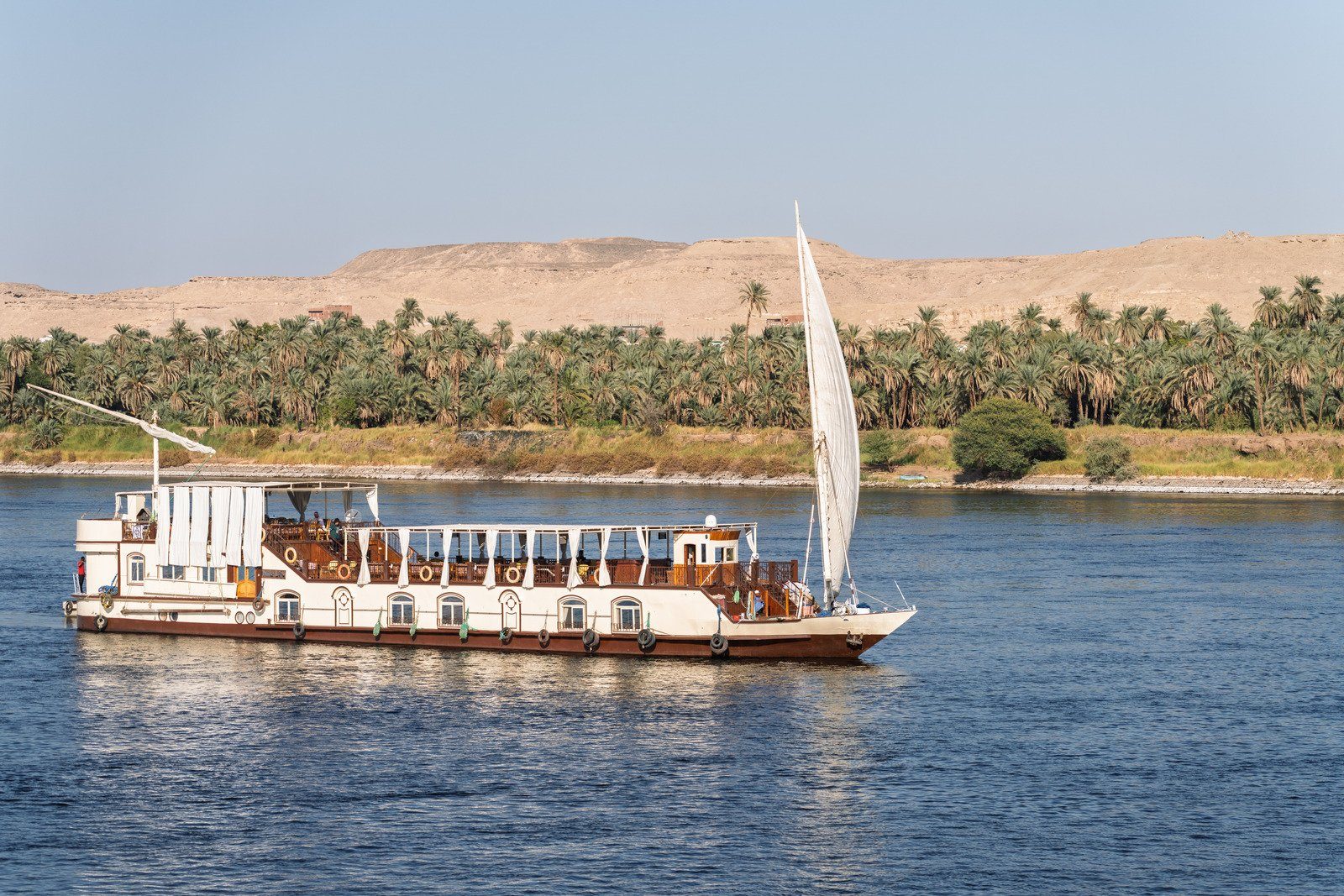
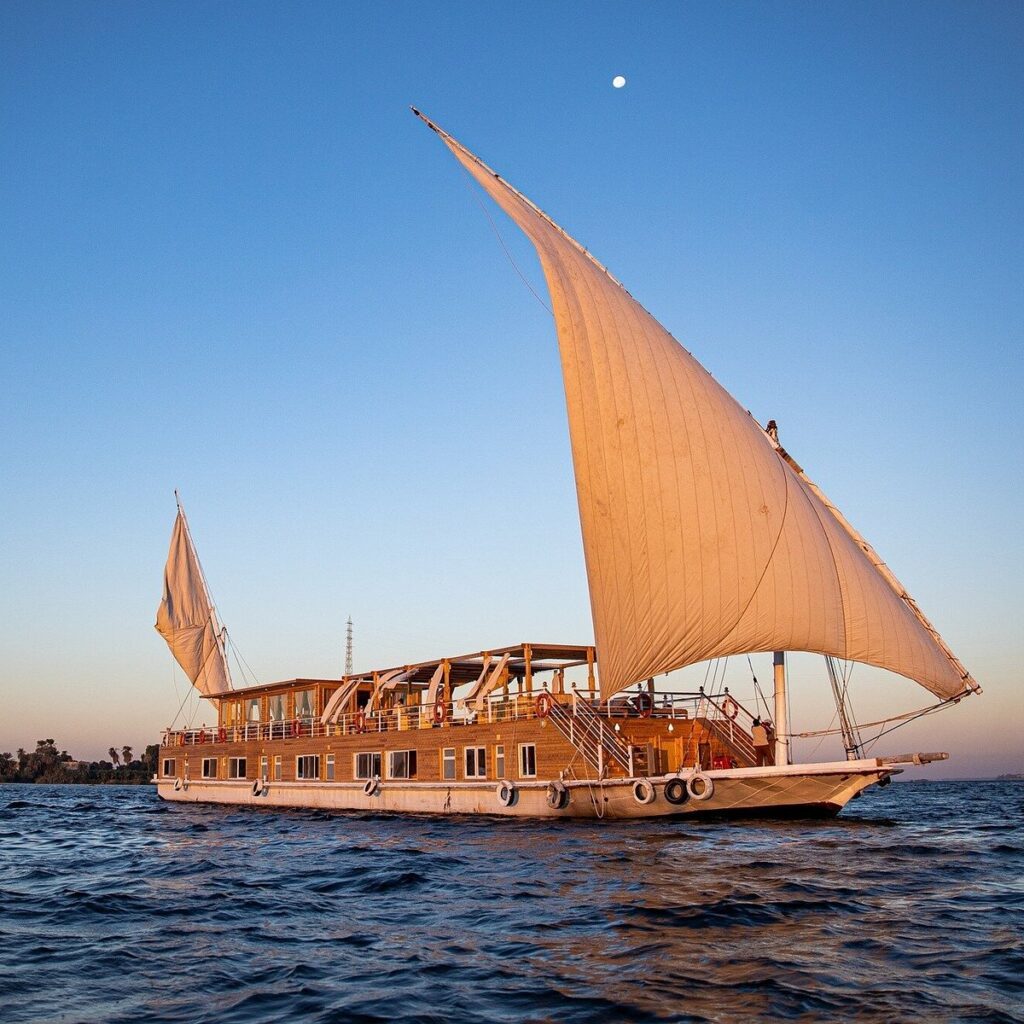
A dahabiya is a wooden, two-masted sailing boat in the style of 19th-century Nile travel, carrying around 8 to 24 guests; it is better than a large cruise ship if you value intimacy, quiet and smaller sites, but not if you want a pool, lots of facilities or the lowest price.
Most dahabiyas sail between Esna and Aswan over 4 or 5 nights. Because they are small, they can moor at riverbanks and islands that big ships pass by, so the itinerary often includes El Kab, the sandstone quarries and shrines of Gebel el-Silsila, a walk through a village or a swim stop on a sandbank, as well as Edfu and Kom Ombo. Meals are cooked fresh on board, and evenings are often spent dining on deck under the stars.
The downsides: sailing depends on the wind, so a tug often helps; there is usually no pool; and departures are limited to the cooler months. Read our full comparison in Nile cruise vs dahabiya, or see the 10-day dahabiya sailing tour.
What is included on a Nile cruise?
Most Nile cruises are full board, with breakfast, lunch and dinner on board, plus guided excursions with an Egyptologist; drinks, tips and optional extras are usually not included. Always check exactly what your fare covers, as inclusions vary by ship and by booking.
- Usually included: cabin accommodation, all meals, tea and coffee, guided sightseeing at the scheduled stops, transfers between ship and sites.
- Sometimes included: entry fees to monuments (often included in packaged tours, not always in cruise-only fares), soft drinks and water, Wi-Fi.
- Usually extra: alcoholic drinks, tipping for crew and guide, optional excursions such as the hot-air balloon in Luxor, special tombs (Tutankhamun, Seti I, Nefertari), Abu Simbel, and laundry.
Tipping is customary and is usually handled through a pooled crew envelope at the end of the cruise, with a separate tip for your Egyptologist. Our tipping in Egypt guide gives practical amounts.
What does a typical day on a Nile cruise look like?
A typical cruise day starts with an early temple visit to beat the heat and crowds, followed by sailing through the middle of the day and a free afternoon on deck. A representative day on a Luxor to Aswan cruise looks like this:
- 6:00–6:30am: early breakfast; in Luxor, optional balloon flight from about 5:30am.
- 7:00–10:30am: guided visit, for example the Temple of Horus at Edfu by horse-drawn carriage or the Valley of the Kings.
- 11:00am–4:00pm: sail. Lunch on board, time by the pool, watching village life on the banks.
- Late afternoon: afternoon tea on deck; at Kom Ombo, a sunset visit to the temple and its crocodile museum.
- Evening: dinner, then often a themed evening such as a galabeya party or a Nubian music performance.
Expect some early starts. The temples are at their best, and coolest, before 10am, and timing visits well is one of the real advantages of travelling with a private guide rather than with the ship's large group.
When is the best time for a Nile cruise?
The best time for a Nile cruise is October to April, when daytime temperatures in Luxor and Aswan are typically 22–32°C. December and January are the most pleasant and most popular; book luxury ships and dahabiyas 6–12 months ahead for those months, particularly over Christmas and the Australian summer holidays.
March and April are warm and lovely, with occasional khamsin dust winds. From May to September temperatures regularly exceed 40°C in Luxor and Aswan; cruises still run and prices drop, but sightseeing is limited to early mornings. Most dahabiyas don't operate in the peak of summer. See our best time to visit Egypt guide for a month-by-month breakdown.
How do I choose the right Nile cruise?
Choose by route first, then ship category, then the specific ship and cabin. Ask these questions before you book:
- Which direction and how many nights? Luxor to Aswan for 4 nights suits most people.
- How many passengers? Fewer guests mean shorter queues at the gangway and smaller excursion groups.
- When was it last refurbished? Ship quality varies more than the brochure suggests.
- Will I have a private guide or join the ship's group? A private Egyptologist transforms the experience.
- Where does it moor? Private moorings avoid the five-abreast squeeze.
- What is included? Entry fees, drinks and tips can add meaningfully to the cost.
Why book a Nile cruise with an Egypt specialist?
A specialist matches you with the right ship, cabin and dates, and builds the cruise into a seamless itinerary with flights, hotels and private guiding. Online listings rarely tell you which ships moor in the stack, which have tired cabins, or how a ship's sailing schedule fits Abu Simbel or a balloon flight. As an Australian Egypt specialist, Noble Travel plans the whole journey, from flights out of Sydney, Melbourne, Brisbane, Perth or Adelaide to the cruise itself, with local support on the ground.
Popular ways to include a cruise: the Classic Egypt and Nile Cruise (12 days) with a 4-night Luxor to Aswan cruise and Abu Simbel; the Luxury Egypt (14 days) on a boutique ship; or the Egypt and Red Sea (14 days) to finish at the beach. When you are ready, tell us about your trip.
Frequently asked questions
How long is a Nile cruise from Luxor to Aswan?
The classic Luxor to Aswan cruise is 4 nights (5 days). Sailing the opposite way, Aswan to Luxor, usually takes 3 nights because the ship travels with the current.
Is a Nile cruise worth it?
Yes. A cruise is the most efficient and relaxing way to see Luxor, Edfu, Kom Ombo and Aswan, and the time on deck watching rural Egypt pass by is a highlight in its own right.
Do Nile cruises start in Cairo?
Very few do. Almost all cruises run between Luxor and Aswan; you fly from Cairo to Luxor or Aswan (about 1 hour 10 minutes) to join the ship. A small number of long cruises from Cairo operate occasionally.
Is Abu Simbel included on a Nile cruise?
Not on Luxor–Aswan cruises. Abu Simbel is about 280 km south of Aswan and is visited as an extra day trip by road or flight, or by taking a Lake Nasser cruise. See our Abu Simbel guide.
What should I wear on a Nile cruise?
Light, breathable clothing that covers shoulders and knees for temple visits, a hat and sunscreen, comfortable walking shoes, swimwear for the pool, and a warm layer for winter evenings on deck. Most ships are smart casual at dinner. See what to wear in Egypt.
Are Nile cruises suitable for children?
Yes, especially larger ships with pools. Choose a 4-night itinerary and plan early starts with afternoon rest. Our family adventure tour is paced for kids.
How far in advance should I book a Nile cruise?
For luxury ships and dahabiyas between December and February, book 6–12 months ahead. For deluxe ships in shoulder season, 3–6 months is usually enough.