In short
Cairo and Giza are where every Egypt trip starts: the last surviving Wonder of the Ancient World, the Grand Egyptian Museum (fully open since 1 November 2025) and one of the richest medieval Islamic cities on earth. Allow at least three full days to see Giza, the GEM, Saqqara and Islamic Cairo without rushing.
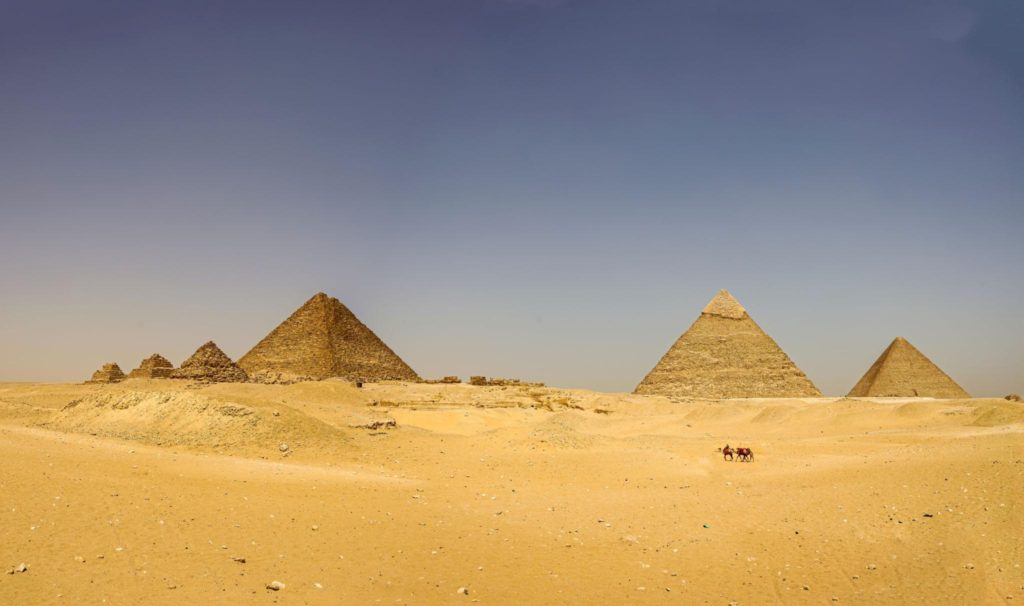
Greater Cairo is a city of more than 20 million people spread along the Nile, and Giza sits on its western edge where the farmland meets the desert. The Giza Plateau, with the Great Pyramid of Khufu, the pyramids of Khafre and Menkaure and the Great Sphinx, is about 18 km from downtown Cairo and roughly 2 km from the Grand Egyptian Museum. That proximity is what has changed Cairo sightseeing most in recent years: you can now do the pyramids and the world's largest archaeological museum dedicated to a single civilisation on consecutive mornings without crossing the city.
Beyond Giza, the Old Kingdom story continues south at Saqqara, home of Djoser's Step Pyramid (around 2650 BC, the first monumental stone building), and at Dahshur, where Sneferu's Bent and Red Pyramids show the engineers learning to build a true pyramid. Back in the city, Islamic Cairo is a UNESCO World Heritage area packed with Mamluk mosques, madrasas and caravanserais, while Coptic Cairo preserves some of the oldest churches in the world.
Cairo rewards good logistics. Traffic is heavy, distances are bigger than they look on a map and the best sites are spread across three corners of the metropolis. Staying near the pyramids for the Giza and GEM days, then moving to a Nile-side hotel for Islamic Cairo, saves hours. A private Egyptologist guide and driver is the single biggest upgrade you can make here.
Top things to see in Cairo & Giza
Pyramids of Giza and the Great Sphinx
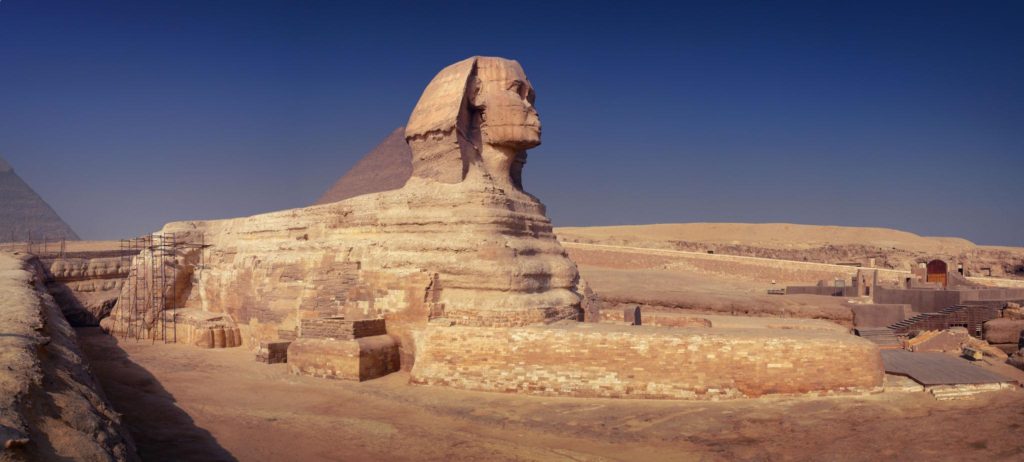
The Great Pyramid of Khufu (about 2560 BC) was the tallest human-made structure on earth for nearly 4,000 years. Arrive at opening time to beat the tour coaches, walk the plateau to the panoramic viewpoint for the classic nine-pyramid photo, then finish at the Sphinx and the Valley Temple of Khafre. Entering the Great Pyramid needs a separate ticket and involves a steep, hot, stooping climb up the Grand Gallery.
Grand Egyptian Museum (GEM)
Fully opened on 1 November 2025, the GEM displays the complete Tutankhamun collection together for the first time, more than 5,000 objects including the gold mask, chariots and shrines. The colossal statue of Ramesses II greets you in the atrium, the Grand Staircase is lined with royal statuary, and Khufu's 4,500-year-old Solar Boat is displayed in its own gallery. Allow at least half a day and book timed tickets in advance.
Saqqara and the Step Pyramid
About 30 km south of Giza, Saqqara was the necropolis of ancient Memphis for over 3,000 years. Djoser's Step Pyramid, designed by Imhotep, is the prototype for every pyramid that followed, and nearby Old Kingdom mastaba tombs such as those of Ti and Mereruka have some of the finest everyday-life reliefs in Egypt. It is far quieter than Giza and many travellers' favourite site in Cairo.
Dahshur: the Bent and Red Pyramids
Ten kilometres south of Saqqara, Dahshur has two of Sneferu's pyramids. The Bent Pyramid changes angle halfway up, a mid-construction correction, while the Red Pyramid is the first successful smooth-sided pyramid. You can usually climb inside the Red Pyramid with few or no other visitors, an experience Giza can no longer offer.
Islamic Cairo and Al-Muizz Street
Al-Muizz li-Din Allah Street is the spine of Fatimid Cairo, lined with Mamluk complexes such as the Qalawun complex and the madrasa of Barquq. Walk it in the late afternoon, then continue into Khan el-Khalili bazaar for mint tea at a traditional cafe. Nearby, the Mosque-Madrasa of Sultan Hassan and the Al-Rifa'i Mosque face each other beneath the Citadel.
The Citadel of Saladin
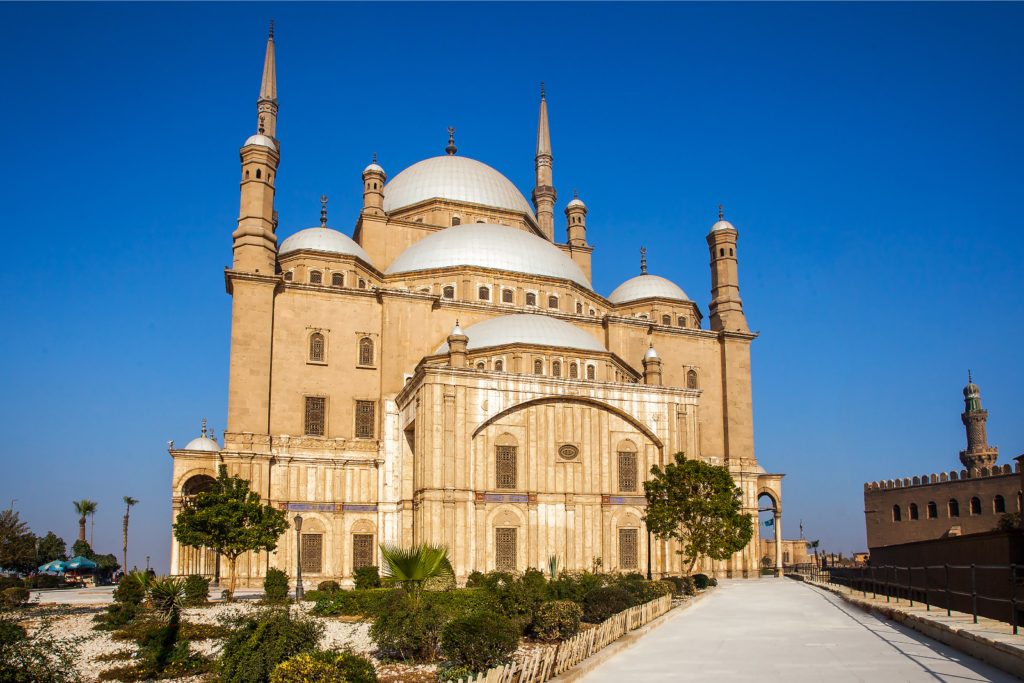
Built from 1176 on a spur of the Muqattam Hills, the Citadel was the seat of Egypt's rulers for almost 700 years. Its Ottoman-style Mosque of Muhammad Ali dominates the skyline, and the terrace offers a view across the city to the pyramids on a clear winter day.
Coptic Cairo
Built within the walls of the Roman fortress of Babylon, Coptic Cairo holds the Hanging Church, the Church of Saints Sergius and Bacchus (traditionally a resting place of the Holy Family) and the Ben Ezra Synagogue. The Coptic Museum has superb early Christian textiles and carvings. Combine it with the nearby museum below.
National Museum of Egyptian Civilization (NMEC)
In Fustat, the NMEC houses the Royal Mummies Hall, where 22 kings and queens including Ramesses II and Hatshepsut have rested since their 2021 parade from the old museum. The dimly lit hall is genuinely moving and is the best place in Egypt to see the pharaohs themselves.
The Egyptian Museum, Tahrir Square
The 1902 museum on Tahrir Square remains open with tens of thousands of objects, including the Narmer Palette and the Yuya and Thuya treasures. With Tutankhamun now at the GEM it is less crowded, and it suits enthusiasts who enjoy its old-fashioned cabinets.
Unforgettable experiences
- Watch sunrise over the pyramids from the desert viewpoint before the plateau fills up
- A camel or horse ride across the dunes behind the pyramids with a licensed operator
- An evening walk down Al-Muizz Street when the Mamluk facades are lit up
- Dinner cruise or felucca hour on the Nile at sunset in central Cairo
- A street-food crawl for koshari, ta'ameya (Egyptian falafel) and fiteer
- Breakfast with a pyramid view at Marriott Mena House, a hotel since the 1880s
When to visit Cairo & Giza
October to April is the best time for Cairo and Giza, with daytime temperatures of 20–28°C and cool evenings; December and January nights can drop to around 10°C, so pack a jacket. March, April, October and November give the best balance of warmth and comfort. From late March to May the khamsin wind can bring dust storms that close views for a day or two. June to August is very hot (often 35–40°C), so sightseeing has to be done early in the morning. Christmas, New Year and Australian school holidays are the busiest periods at Giza and the GEM.
How long to spend in Cairo & Giza
Three full days is the sweet spot: one for the Giza Pyramids and the GEM, one for Saqqara and Dahshur, and one for Islamic and Coptic Cairo plus the Royal Mummies. Two days covers Giza, the GEM and Saqqara at a brisk pace, which works as a stopover. Enthusiasts and first-timers recovering from the long flight from Australia often prefer four nights, ideally split between a pyramid-view hotel and a Nile-side hotel.
Getting there
There are no direct flights from Australia to Egypt. Most travellers fly to Cairo International Airport (CAI) via Dubai, Doha or Abu Dhabi, with total travel times of roughly 18–24 hours from Sydney, Melbourne, Brisbane or Perth. Sphinx International Airport, west of Giza, handles a limited number of flights. From Cairo, domestic flights reach Luxor in about an hour and Aswan in about 1 hour 20 minutes, and overnight sleeper trains run to Luxor and Aswan.
Specialist tips
- Do the Pyramids and the GEM on the same day or consecutive days, staying in Giza to avoid crossing the city twice
- Book GEM timed-entry tickets online before you travel, especially for weekends and holidays
- Only pay for camel, horse or carriage rides through your guide or at an agreed price; ignore anyone who approaches you at the ticket gate
- Carry small Egyptian pound notes for toilets, tips and bottled water
- Keep Fridays for the GEM or Giza rather than mosques, which close to visitors during Friday prayers
- Allow a buffer day after the flight from Australia before your big Giza day
Cairo & Giza: frequently asked questions
How many days do you need in Cairo and Giza?
Three full days lets you see the Giza Pyramids, the Grand Egyptian Museum, Saqqara and Dahshur, and Islamic and Coptic Cairo at a comfortable pace. Two days is enough for Giza, the GEM and Saqqara. Our 4-day Cairo stopover covers the essentials.
Is the Grand Egyptian Museum fully open?
Yes. The GEM officially opened in full on 1 November 2025, including the complete Tutankhamun collection and Khufu's Solar Boat. See our Grand Egyptian Museum guide for tickets and how to plan your visit.
Should I stay in Giza or central Cairo?
Stay in Giza for the nights around your Pyramids and GEM visits, as both are only about 2 km apart. A Nile-side hotel in central Cairo is better for Islamic Cairo, Coptic Cairo and evening dining. Many travellers split their stay between the two.
Can you go inside the Great Pyramid?
Yes, with a separate ticket bought at the site. The passages are narrow, steep and humid, and the burial chamber is empty, so it is not for the claustrophobic. The Red Pyramid at Dahshur is a quieter alternative. Read our Pyramids of Giza guide for details.
Is Cairo safe for tourists?
Cairo's tourist areas are generally well policed, and petty hassle is a bigger issue than crime for most visitors. Advice can change, so check Smartraveller before you travel and read our Is Egypt safe? guide.