Quick answer
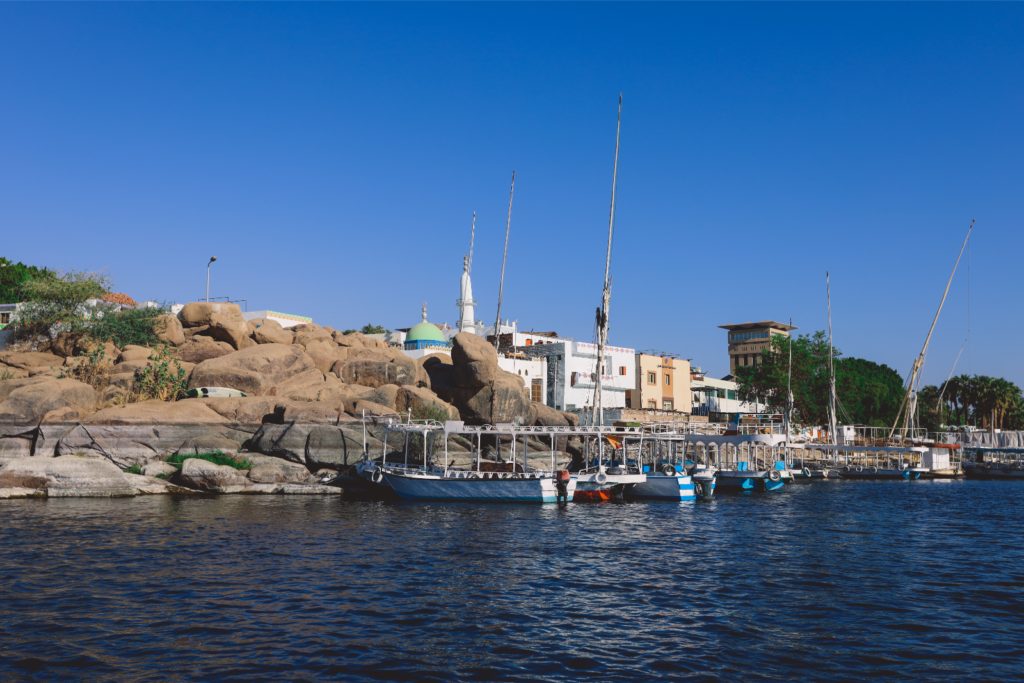
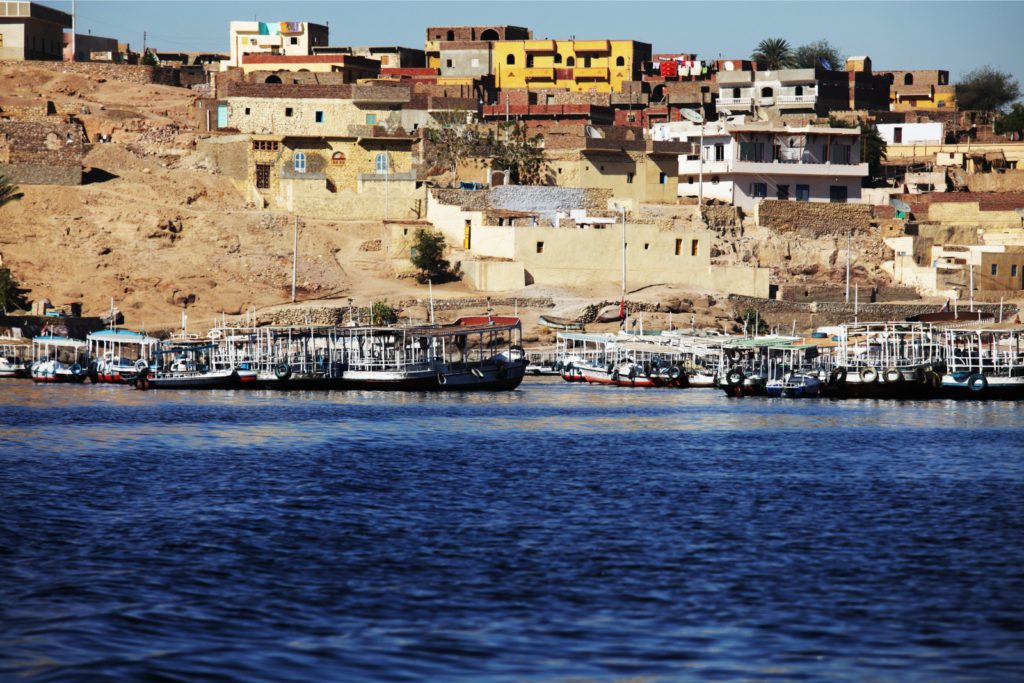
Nubians are the indigenous people of the Nile valley from Aswan into northern Sudan, with their own languages, Nobiin and Kenzi, their own architecture, music and customs, and a history reaching back to the kingdoms of Kush. In the 1960s Lake Nasser flooded most of Egyptian Nubia and tens of thousands of people were resettled, a loss that still shapes Nubian identity. Aswan, with its Nubian Museum, riverside villages and family guesthouses, is the place to experience the culture.
Who are the Nubians?
Nubians are the indigenous people of the stretch of the Nile between Aswan and central Sudan, a distinct community with its own languages and traditions, and Egyptian Nubians are full Egyptian citizens who are proud of both identities.
Historically, "Nubia" was the land south of the First Cataract at Aswan: Lower Nubia, from Aswan to the Second Cataract near Wadi Halfa, and Upper Nubia beyond it in Sudan. The border drawn in 1899 split the Nubian people between two countries. In Egypt today most Nubians live around Aswan, in the resettled villages near Kom Ombo, and in Cairo and Alexandria, where many families moved for work over the past century. Nubians are prominent in Egyptian music, sport, literature and public life, and Nubian hospitality is famous across the country.
What is the history of Nubia?
Nubia was home to some of Africa's earliest kingdoms, Kerma and Kush, which traded with, fought and at one point ruled Egypt, followed by Christian kingdoms that lasted into the late Middle Ages.
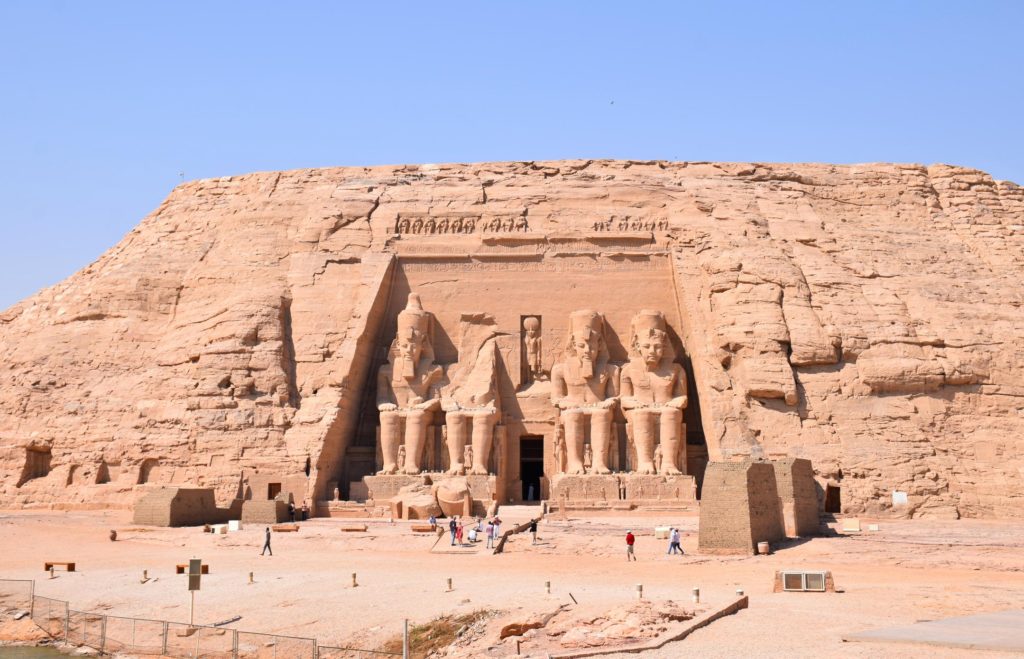
Egypt prized Nubia for its gold, ivory, ebony and soldiers, and New Kingdom pharaohs conquered it and built temples there, including Abu Simbel. In the 8th century BC the tables turned, and kings of Kush from Napata conquered Egypt as the 25th dynasty. From the 6th century AD the Nubian kingdoms of Nobadia, Makuria and Alodia became Christian, and their cathedral at Qasr Ibrim still stands on its island in Lake Nasser. Islam spread gradually from the 14th century. Our guide to Nubia and the Kingdom of Kush tells the ancient story in full.
What did the Aswan High Dam mean for the Nubians?
When the High Dam was built in the 1960s, Lake Nasser drowned almost all of Egyptian Nubia, and around 50,000 Egyptian Nubians were moved to new villages near Kom Ombo, a displacement that remains the defining event of modern Nubian history.
It was not the first loss. Each raising of the earlier Aswan Dam, completed in 1902 and heightened in 1912 and 1933, flooded villages and palm groves. But the High Dam ended life in the old homeland altogether. Families left houses by the river for concrete settlements in the desert, known as Nasr al-Nuba or New Nubia, far from the Nile that had shaped their farming, building and festivals. In Sudan, people from Wadi Halfa were moved hundreds of kilometres east. The world rallied to save Abu Simbel and other temples, a story told in Saving Abu Simbel; the people received far less attention.
Egypt's 2014 constitution committed the state to return Nubians to their original areas and develop them, and the question of return remains a live and sensitive one. If the subject comes up, listen rather than debate; for many families it is personal history.
What languages do Nubians speak?
Egyptian Nubians speak two related Nubian languages, Nobiin (Fadicca) in the south and Kenzi (Kenuzi) nearer Aswan, at home and in the village, and Arabic everywhere else.
The Nubian languages belong to the Nilo-Saharan family and are unrelated to Arabic. In the Middle Ages, Old Nubian was written in an alphabet adapted from Coptic Greek, and church texts in it survive. Today the languages are passed on mostly by speaking, and the scattering of communities since the 1960s has put them under pressure; younger Nubians in Cairo often understand more than they speak. There are community efforts to teach and write Nubian again, and songs keep the language in daily use. A Nubian host will be delighted if you ask how to say thank you in their language.
What are Nubian houses and crafts like?
Traditional Nubian houses are built of mud brick around a large open courtyard, roofed with vaults and domes, and painted in bright colours with geometric designs, birds, palm trees and words of blessing.
The vaulted roofs need no timber and keep rooms cool, a technique the architect Hassan Fathy studied and promoted across Egypt. Facades were decorated by the women of the house, and colourful plates and woven baskets hang on the walls. Above some doorways you may see a dried crocodile, a traditional charm for protection; the live baby crocodiles shown to visitors are a tourist-era addition. Crafts include coiled palm-fibre baskets and lidded food covers, beadwork and embroidered textiles. Henna is central to weddings, which traditionally lasted days, with the whole village dancing to drums and clapping.
What is Nubian music and food like?
Nubian music is built on frame drums, clapping and call-and-response singing, sometimes with a lyre or oud, and Nubian food is the cooking of the river: bread, fish, okra, lentils and dates.
The duff and tar frame drums drive the distinctive Nubian rhythm, and singers such as Ali Hassan Kuban, the oud player Hamza El Din and the pop star Mohamed Mounir carried it far beyond Aswan. On the table, expect thick home-baked bread, fish from the Nile or the lake cooked in a clay pot, okra and molokhia stews, and fresh dates. Aswan's markets sell dried hibiscus for karkade and the fruit of the doum palm, which is made into a malty drink. Several Nubian restaurants on the west bank and on Elephantine serve home-style dishes in painted courtyards.
Where can you experience Nubian culture?
Begin at the Nubian Museum in Aswan, then visit a living village, ideally with time to eat or stay overnight, and consider a Lake Nasser cruise to see the temples of the drowned homeland.
- The Nubian Museum: history, the rescue campaign and life-size displays of village life. Allow 1.5–2 hours.
- Villages: Gharb Soheil is the most visited; Siou and Koti on Elephantine Island are quieter. Our guide to visiting a Nubian village covers ethics, crafts and timing.
- Guesthouses: family-run guesthouses on the west bank and Elephantine let you see village life after the day boats leave.
- Lake Nasser: a cruise between Aswan and Abu Simbel passes the rescued Nubian temples; see our Lake Nasser cruise guide.
Wherever you go, dress modestly, ask before photographing people and buy directly from makers. Treat Nubians as hosts and neighbours, not as an exhibit.
Frequently asked questions
Are Nubians Egyptian?
Egyptian Nubians are Egyptian citizens and an indigenous people of the Nile valley, with their own languages and traditions. Other Nubians live across the border in Sudan.
What language do Nubians speak?
In Egypt, Nobiin (Fadicca) and Kenzi (Kenuzi), two related Nubian languages, at home, and Egyptian Arabic in public life.
Why were the Nubians displaced?
Lake Nasser, created by the Aswan High Dam in the 1960s, flooded most of Egyptian Nubia, and about 50,000 people were resettled near Kom Ombo.
Why are Nubian houses painted?
Painting facades with bright colours, patterns and blessings is a long-standing Nubian tradition, traditionally done by the women of the household.
Where is the best place to learn about Nubian culture?
Aswan: start at the Nubian Museum, then visit a village such as Gharb Soheil or the villages on Elephantine Island, ideally staying for a meal.