Quick answer
Egypt is a superb family destination, especially for children aged about 7 and over who have studied the pharaohs at school. Travel between October and April, limit sightseeing to mornings, choose hotels with pools, and mix temples with hands-on experiences like a felucca sail, a camel ride, a Nubian village and Red Sea snorkelling.
Is Egypt good for kids?
Yes – Egypt is one of the most rewarding family destinations in the world: the sights are the stuff of school projects and adventure films, Egyptians are famously warm towards children, and the Red Sea offers easy, world-class snorkelling.
Children who have read about mummies and pharaohs get to stand in front of Tutankhamun's golden mask, crawl into a pyramid, and walk into painted royal tombs. Families travelling with young children will find that Egyptians stop to chat, offer sweets and fuss over babies – it's a very family-centred culture. The challenges are heat, long transfers and the occasional upset stomach, and all three are manageable with good planning. Check the current Smartraveller advice for Egypt before booking (see our is Egypt safe guide).
What is the best age to take kids to Egypt?
The sweet spot is roughly 7 to 16: old enough to walk all morning, cope with heat and understand the history, young enough to be wowed by everything.
- Under 5: perfectly doable, but think of it as a trip for the adults with a happy toddler in tow. Bring a lightweight carrier rather than a pram – footpaths, sand and temple steps defeat most strollers.
- Ages 6–10: the magic years. Ancient Egypt is often taught in primary school, and children this age are thrilled by mummies, hieroglyphs and camels.
- Ages 11–16: they can handle full days, go inside the Great Pyramid, appreciate the GEM in depth and snorkel confidently in the Red Sea.
Some activities have age or height limits: hot-air balloon operators in Luxor typically set minimum ages, and snorkelling and diving trips have their own requirements. Ask us when you enquire.
How should you pace an Egypt trip with children?
Plan one major sight per morning, start early, be back at the hotel pool by early afternoon, and build in at least one complete rest day for every four or five days of touring.
- Start early: temples open around 6–8am. Two hours at Karnak at 7am is a delight; at 1pm it's a battle.
- Fly rather than drive long distances – Cairo to Luxor or Aswan is about an hour by air versus nine-plus hours by road.
- Use a Nile cruise as a moving hotel: you unpack once for four nights, and the sundeck pool is a reward after each excursion.
- End at the beach: three to five days on the Red Sea is the perfect reward for patient young travellers.
- Use a private guide: a good Egyptologist will tailor stories to children, turn hieroglyphs into a game and know when to call it a day.
Our Egypt Family Adventure is designed around exactly this rhythm.
What are the best things to do in Egypt with kids?
The experiences children rave about are the Pyramids of Giza and a camel ride, the Grand Egyptian Museum, the Valley of the Kings, a felucca sail, a Nubian village visit near Aswan, and snorkelling in the Red Sea.
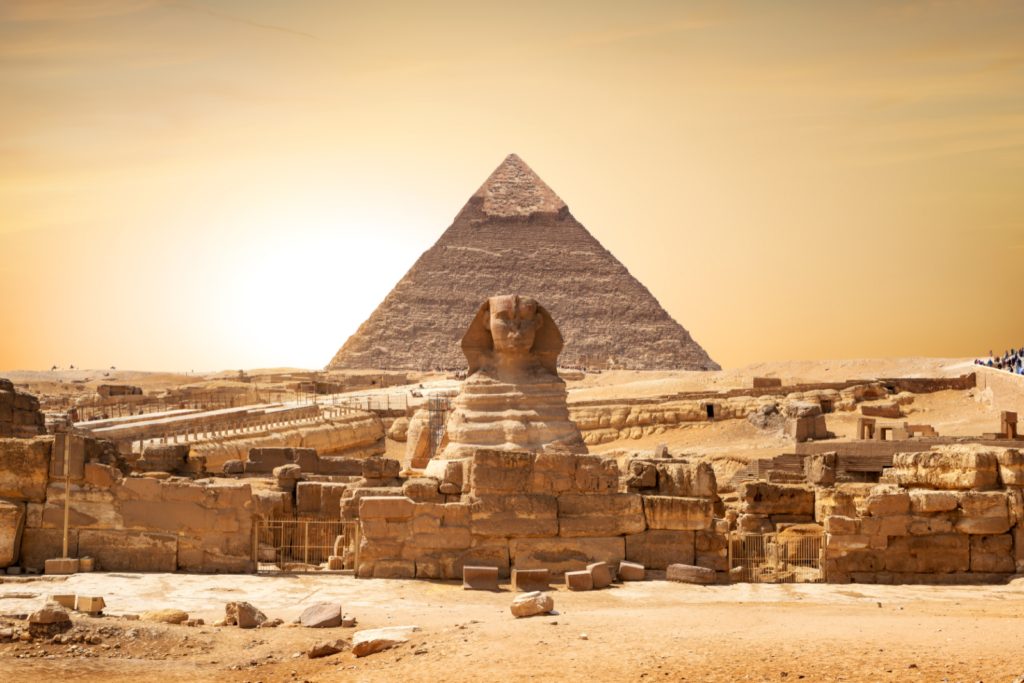
- Pyramids and Sphinx: the scale is mind-blowing for kids. A short camel ride near the Panoramic Point is usually a highlight – see our Pyramids of Giza guide.
- Grand Egyptian Museum: Tutankhamun's treasures, the colossal statue of Ramesses II in the atrium and Khufu's Solar Boat. The GEM also has a dedicated children's museum. See our GEM guide.
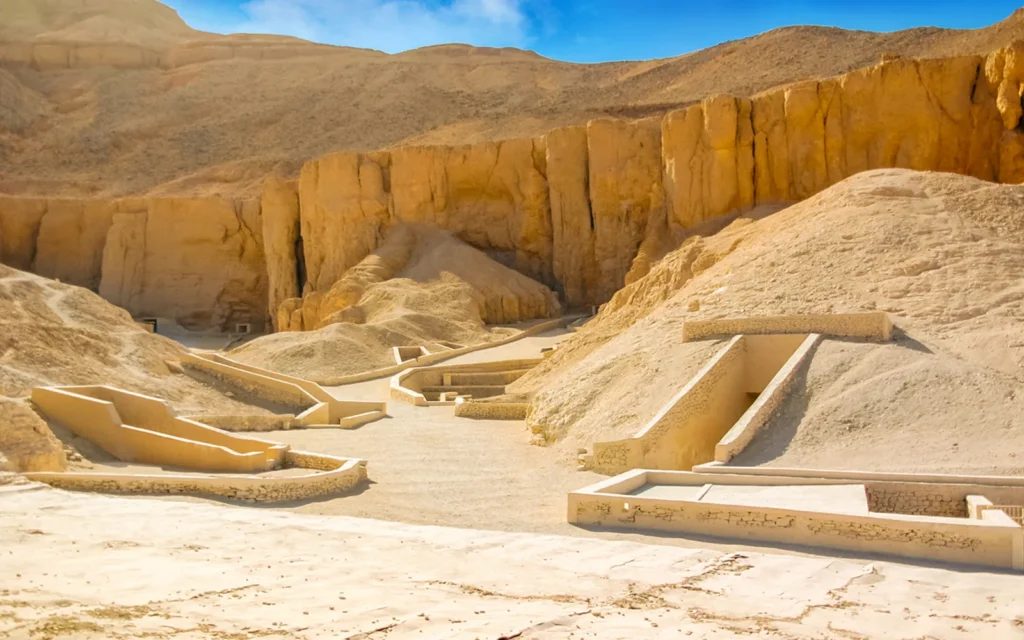
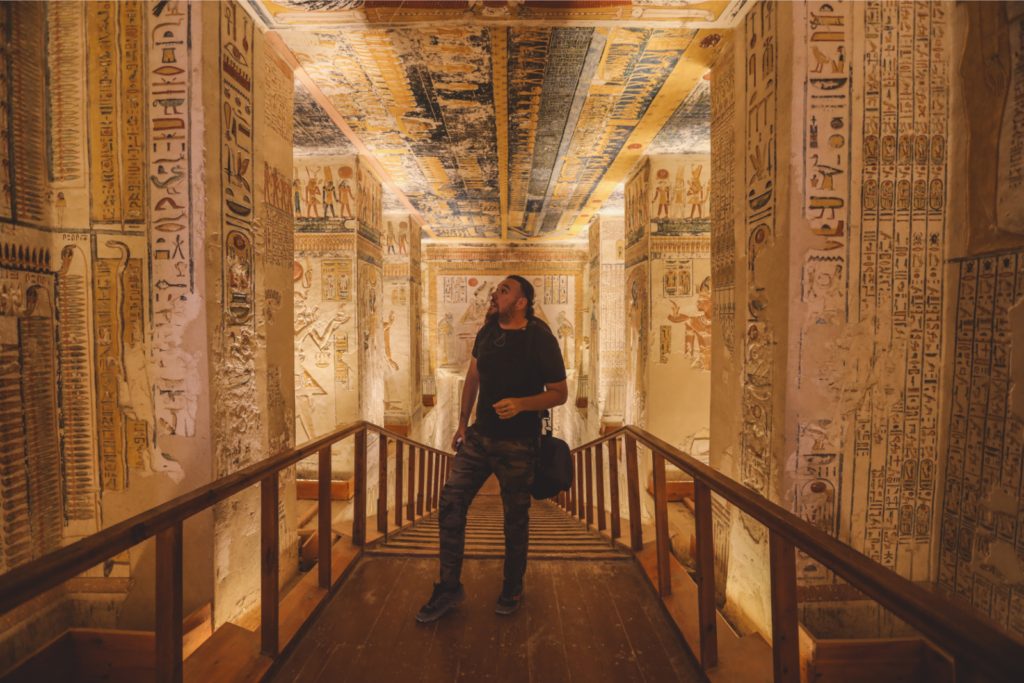
- Valley of the Kings: walking down into a painted royal tomb feels like an Indiana Jones moment.
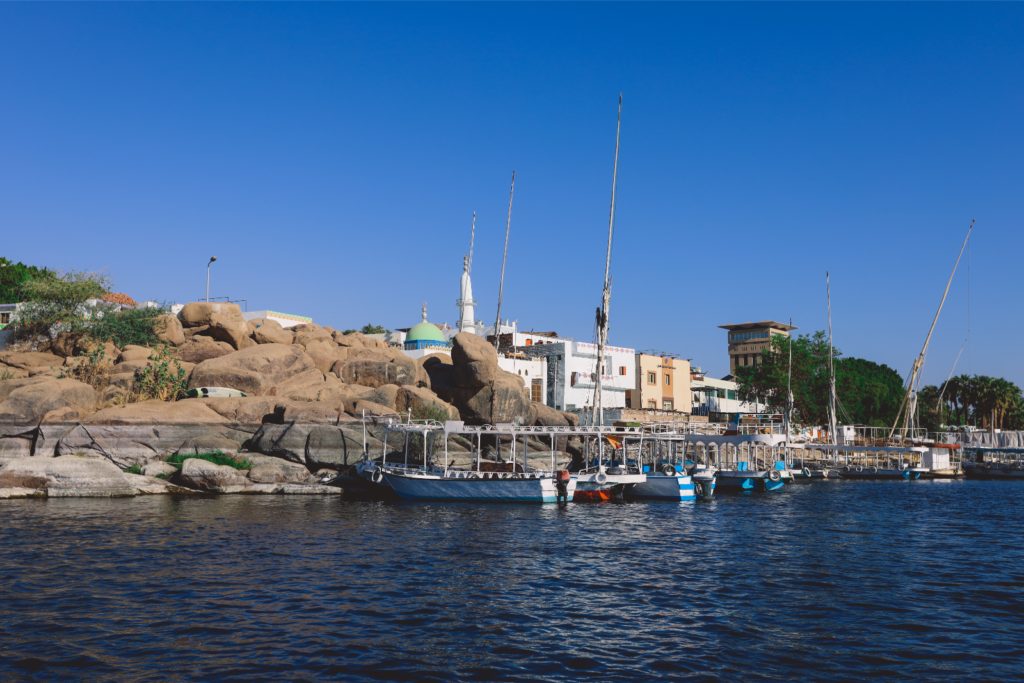
- Felucca sail in Aswan: drifting past Elephantine Island and the botanical gardens on a traditional sailing boat, sometimes with a chance to take the tiller.
- Nubian village: brightly painted houses on the west bank at Aswan, where kids can meet local families, try henna and see the pet crocodiles some households keep.
- Abu Simbel: worth the early start for older children – the four colossal Ramesses statues are unforgettable.
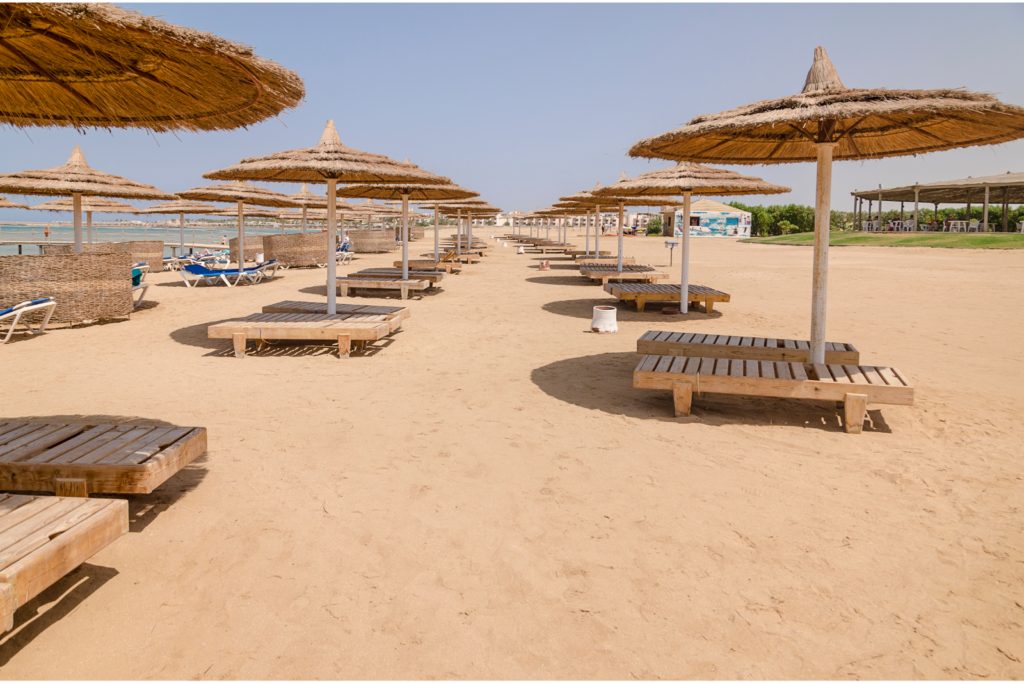
- Red Sea snorkelling: calm, warm, clear water with coral and tropical fish metres from the shore in places such as El Gouna, Hurghada and Sharm el-Sheikh.
How do you handle the heat in Egypt with kids?
Travel between October and April, sightsee before late morning, keep everyone covered and hydrated, and treat midday as pool and rest time.
Children overheat faster than adults. Even in March, Luxor can hit the mid-30s, and the Valley of the Kings is a stone bowl that traps heat. Pack wide-brimmed hats, UPF shirts, SPF 50+ sunscreen, and refillable bottles; carry rehydration sachets and offer water before children ask. Australian school holidays in late September to October and December to January line up well with Egypt's comfortable season, although December–January is peak time and books out early. Avoid June to August with young children if you're planning to visit Upper Egypt. See our best time to visit Egypt guide.
How do you keep kids healthy in Egypt?
Use bottled or filtered water for drinking and brushing teeth, stick to freshly cooked hot food and peelable fruit, wash hands often, and see your GP or a travel clinic six to eight weeks before departure.
- Vaccinations: make sure routine childhood vaccinations are current and ask your doctor about hepatitis A and typhoid. Refer to official health advice on Smartraveller.
- Tummy troubles: pack oral rehydration solution and child-appropriate medications recommended by your doctor. Egyptian pharmacies are plentiful and well stocked.
- Food: children often love Egyptian staples – flatbread, falafel (ta'ameya), rice, grilled chicken, koshari and fresh juices. Hotels and cruise ships offer familiar options too.
- Travel insurance: essential, with medical evacuation cover, and declared pre-existing conditions.
- Animals: teach children not to pat street cats and dogs; rabies is present in Egypt.
Which hotels in Egypt are best for families?
Choose hotels with a good pool, garden space and family rooms or connecting rooms – in Cairo stay near the pyramids, in Luxor and Aswan choose a resort-style property, and on the Red Sea pick a resort with a shallow-entry beach.
- Giza: staying near the pyramids rather than downtown cuts transfer times to Giza, the GEM and Saqqara, and many hotels here have large pools – Marriott Mena House is a favourite.
- Luxor: riverside resort hotels on the east bank with big gardens and pools are ideal for afternoon downtime.
- Aswan: island hotels reached by boat feel like an adventure in themselves.
- Red Sea: El Gouna and Hurghada have family resorts with kids' clubs, lagoon pools and house reefs. Sharm el-Sheikh in Sinai has superb shore snorkelling too.
On a Nile cruise, ask for triple cabins or interconnecting cabins and check the pool size – it varies a lot between ships.
What does a good family Egypt itinerary look like?
A balanced 11–14 day family itinerary spends three or four nights in Giza, flies to Luxor or Aswan for a three- or four-night Nile cruise, and finishes with three to five nights on the Red Sea.
- Days 1–4, Giza: arrive and rest, then the Pyramids and Sphinx one morning, the Grand Egyptian Museum on another, and Saqqara's Step Pyramid on a third, with afternoons at the pool. Stay near the plateau to keep driving short.
- Day 5, fly to Luxor: Karnak in the late afternoon, when it's cooler and the light is golden.
- Days 6–9, Nile cruise to Aswan: the Valley of the Kings early in the morning, Edfu by horse-drawn carriage, Kom Ombo and its Crocodile Museum (a sure-fire hit with mummified crocodiles), then Aswan, a felucca sail and a Nubian village.
- Day 10, optional Abu Simbel: for older children, by road or by air.
- Days 11–14, Red Sea: snorkelling, a boat trip, and genuine downtime before the long flight home.
The long-haul journey from Australia via the Gulf or Asia takes around 20 hours or more with a connection, so build in a rest day on arrival and consider a stopover. See our flights from Australia and Egypt itinerary guides.
Should you add the Red Sea to a family trip?
Yes – three to five days on the Red Sea is the best way to end a family trip, giving children a reward for all the temples and parents a genuine holiday.
Hurghada and El Gouna are around a four-hour drive from Luxor, or a short flight from Cairo. Water temperatures are about 22°C in winter and 28°C or more in summer, and the reefs are full of parrotfish, clownfish and coral close to shore. Many resorts offer guided snorkelling for kids and boat trips to offshore islands. See our Red Sea and Sharm el-Sheikh and Sinai guides, or the Egypt and Red Sea tour.
Frequently asked questions
Is Egypt safe for families?
Millions of families visit Egypt's main tourist areas each year without problems. Check the latest Smartraveller advice, use reputable operators and private transfers, and follow your guide's local advice.
What age is best for Egypt?
Roughly 7 to 16 is ideal. Children this age can manage the walking and heat, understand the history and get the most out of experiences like the Valley of the Kings and snorkelling.
Can you take a pram to Egypt?
A compact, folding stroller is useful in hotels and airports, but temples, sand and uneven footpaths make a baby carrier far more practical for sightseeing.
Are Nile cruises good for kids?
Yes. A cruise ship means unpacking once, a pool on deck and short, guided excursions. Choose a ship with family or connecting cabins and a decent-sized pool.
How long should a family trip to Egypt be?
Ten to fourteen days works well: around four days in Cairo and Giza, a Nile cruise or time in Luxor and Aswan, and a few days on the Red Sea.
Can kids go inside the pyramids?
Yes, but the passages are steep, narrow and humid. Older children usually love it; young or claustrophobic children may be happier exploring outside.