Quick answer
The top things to do in Egypt are standing at the Giza pyramids, seeing Tutankhamun's treasures at the Grand Egyptian Museum, cruising the Nile between Luxor and Aswan, walking Karnak's hypostyle hall and going down into the painted tombs of the Valley of the Kings. After those five, Abu Simbel, a Luxor balloon flight, an Aswan felucca and Philae complete most first-timers' lists; the Red Sea, Sinai and the deserts suit second trips or longer stays.
How did we rank Egypt's top 25 experiences?
We ranked each experience by how much it adds to a first or second trip from Australia or New Zealand, weighing the wow factor against the time, cost and effort it takes to get there. A site that is spectacular but needs a 10-hour round trip ranks below one that is almost as good and sits on the main Cairo–Luxor–Aswan route.
The list mixes monuments with things to do, because a felucca at sunset can stay with you longer than a fourth temple. Each entry is short on purpose: follow the link for the full guide to that sight or experience, including tickets, timing and how to get there. If you are still deciding how long to go for, our Egypt itinerary guide shows how these fit into 8, 12 and 14 days.
Numbers 1–5: the essentials
The first five are the backbone of almost every good first trip, and all sit on the classic Cairo, Luxor and Aswan route.
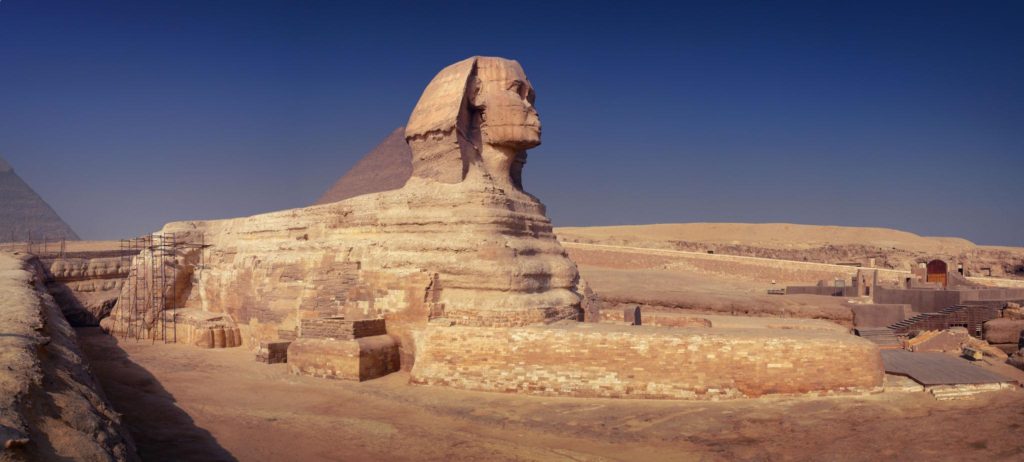
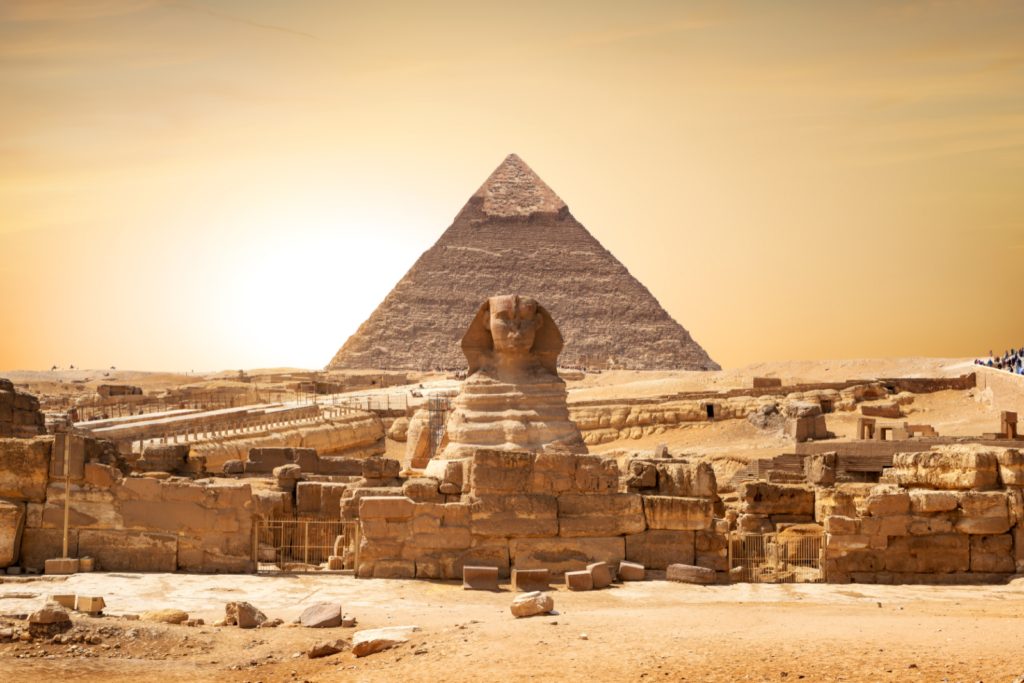
- The Giza pyramids and the Sphinx. The Great Pyramid of Khufu is the last survivor of the Seven Wonders, about 4,500 years old. Arrive at opening, walk to the panoramic viewpoint for all three pyramids, then finish at the Great Sphinx. Suits everyone.
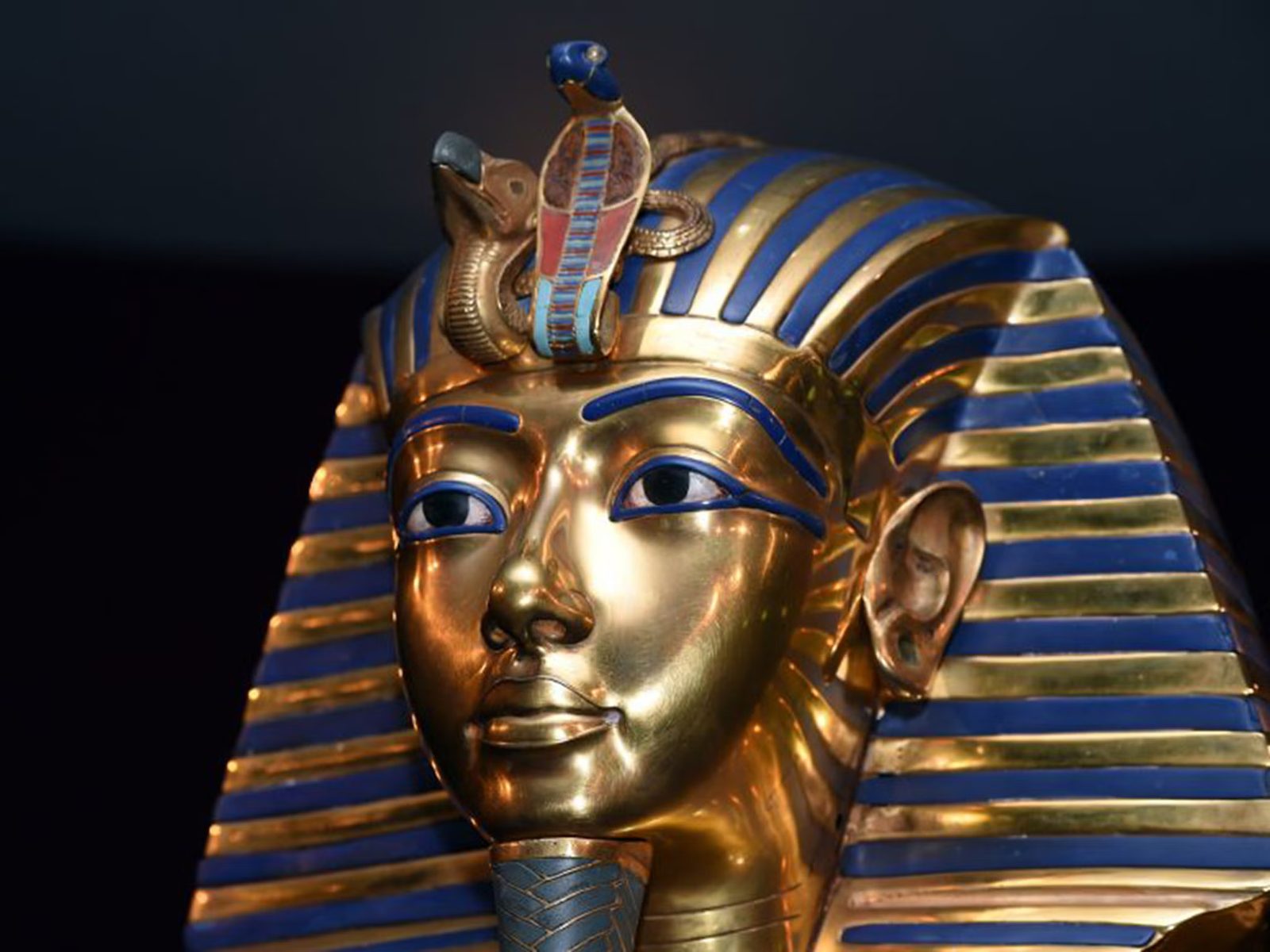
- The Grand Egyptian Museum. Tutankhamun's complete burial treasure, displayed together for the first time, plus the colossal Ramesses II in the atrium and Khufu's solar boat. Allow at least half a day; see our GEM guide. Suits everyone, especially families.
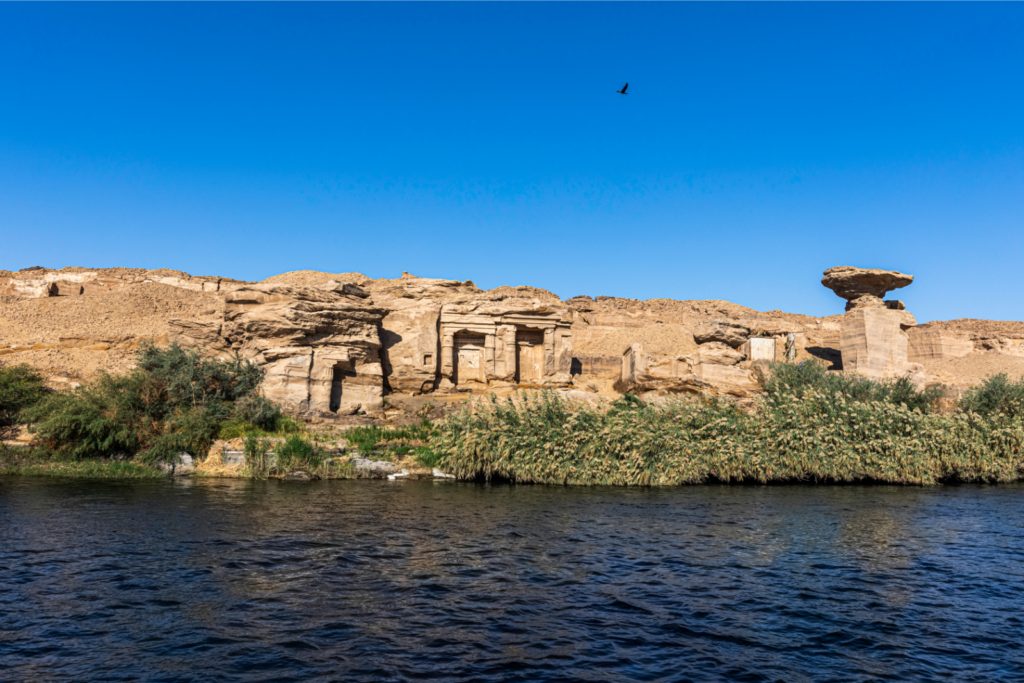
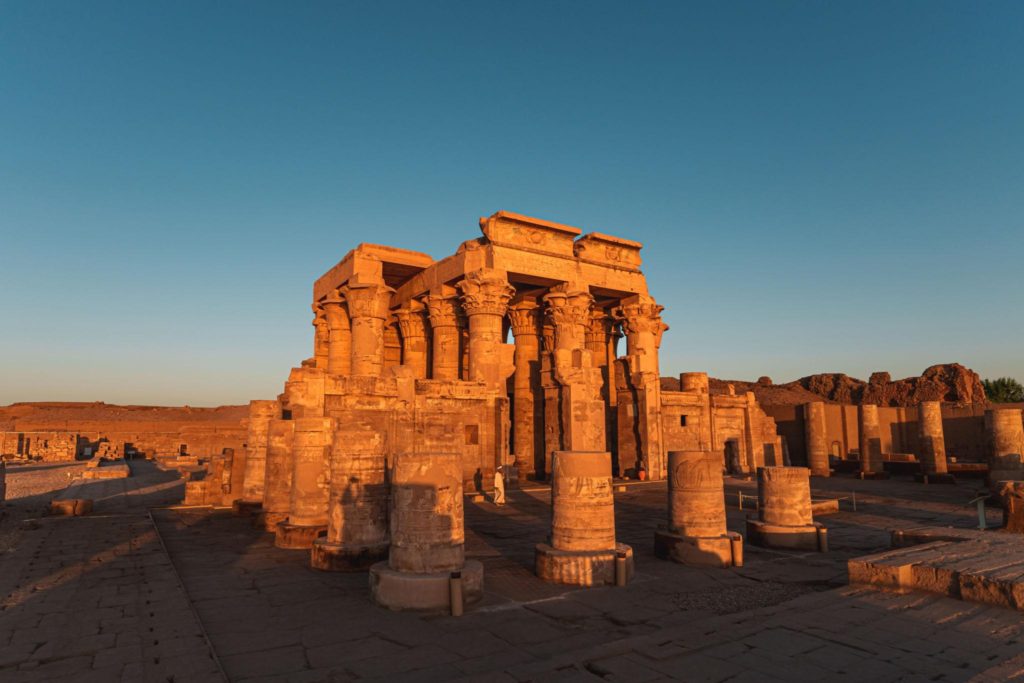
- A Nile cruise between Luxor and Aswan. Three or four nights on the river link Edfu and Kom Ombo temples with sundowners on deck and village life on the banks. Compare boats in our Nile cruises guide. Suits first-timers and anyone who hates repacking.
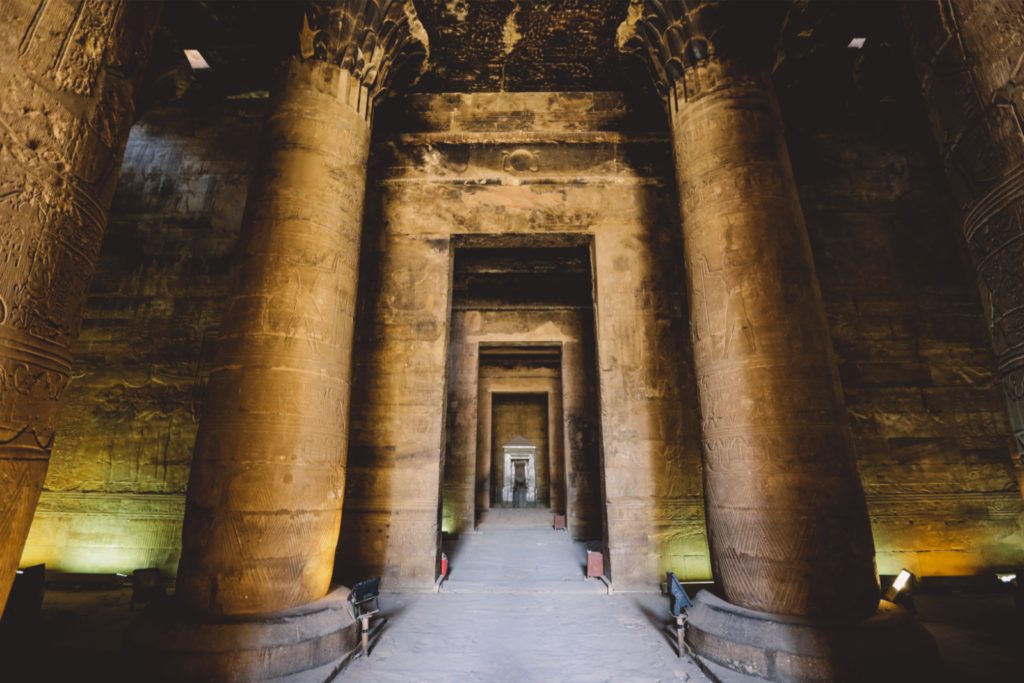
- Karnak Temple. The largest religious complex of the ancient world, built over roughly 2,000 years. Stand among the 134 columns of the Great Hypostyle Hall at opening time, before the coaches. Suits history lovers and photographers.
- The Valley of the Kings. Go underground into painted royal tombs; the standard ticket covers three, and the extra ticket for the tomb of Seti I is worth every dollar. Suits anyone comfortable with stairs and warm, enclosed spaces.
Numbers 6–12: the experiences that make the trip
This group turns a sightseeing trip into a memorable one: two of the most dramatic monuments in Egypt, plus the river and sky experiences people talk about afterwards.
- Abu Simbel. Ramesses II's four 20-metre colossi, rescued from Lake Nasser in the 1960s. It is 280 km south of Aswan, so choose between a pre-dawn drive and a short flight; our road or air comparison helps. Suits anyone with a spare day in Aswan.
- A hot-air balloon over Luxor's West Bank. Lift off at dawn above the Theban Hills, the temples and green fields. Flights depend on the wind, so book it early in your Luxor stay. See our balloon guide. Suits couples and photographers; not for those with a fear of heights.
- A felucca at sunset in Aswan. An hour under a white sail between granite boulders, past Elephantine Island and Kitchener's Island. Our felucca guide covers private versus shared boats. Suits everyone.
- The Temple of Hatshepsut and the tomb of Nefertari. Hatshepsut's terraced temple at Deir el-Bahari pairs well with the Valley of the Queens, where Nefertari's tomb has some of the finest paintings in Egypt. Suits art lovers.
- Philae Temple. The Temple of Isis, moved stone by stone to Agilkia Island, reached by a short motorboat ride. Suits romantics and photographers.
- Saqqara and Dahshur. The Step Pyramid, the oldest large stone building in the world, the painted Old Kingdom tombs of Saqqara, and the Red and Bent Pyramids at Dahshur, all with a fraction of Giza's crowds. Suits returning visitors and pyramid enthusiasts.
- Khan el-Khalili and Al-Muizz Street after dark. Cairo's medieval bazaar and the street of Mamluk mosques beside it come alive in the evening. Start at Khan el-Khalili with mint tea at a coffee house. Suits everyone except those who dislike crowds.
Numbers 13–19: worth building in if you can
These deepen a trip: quieter temples, better museum time, a slower boat and a taste of Nubian and modern Cairo life.
- Luxor Temple at night. Lit after dark, with the restored Avenue of Sphinxes running towards Karnak. Easy to add after dinner on the East Bank; see Luxor Temple. Suits everyone.
- Sailing on a dahabiya. A two-masted sailing boat with a handful of cabins, mooring at islands and small temples the big ships pass. Read what to expect on a dahabiya. Suits couples and small family groups.
- A Nubian village visit. Painted houses, tea and Nubian music at Gharb Soheil on the West Bank at Aswan. Our Nubian village guide explains how to make it more than a photo stop. Suits families.
- Snorkelling the Red Sea. Coral gardens a few metres from the shore at Marsa Alam, Hurghada's islands or Ras Mohammed. See our snorkelling guide. Suits families and anyone who wants a beach finish.
- Dendera and Abydos. A long day north of Luxor to two of the finest temples in Egypt: Dendera's restored blue ceilings and Abydos's delicate reliefs of Seti I. Suits history lovers.
- The royal mummies at the NMEC. Ramesses II, Seti I and Hatshepsut in a dimly lit hall at the National Museum of Egyptian Civilization. Suits older children and adults.
- The Citadel and Sultan Hassan. Saladin's fortress with the Mosque of Muhammad Ali on top, and the vast Mamluk madrassa of Sultan Hassan below. Suits architecture lovers.
Numbers 20–25: for longer trips and second visits
The last six take more time or a separate leg, but for the right traveller they are the highlight of the whole trip.
- Sunrise on Mount Sinai. A night climb of about 2,285 metres to watch the sun rise over the granite peaks, then St Catherine's Monastery at the foot. Suits fit walkers and pilgrims; check the travel advice for Sinai first.
- A night in the White Desert. Chalk formations, a campfire dinner and a sky full of stars, about five to six hours from Cairo by 4WD. See White Desert National Park. Suits adventurous travellers.
- Siwa Oasis. Mud-brick ruins, salt lakes and the oracle temple Alexander the Great consulted, near the Libyan border. Suits those with three or more spare days; read our Siwa guide.
- Alexandria. The Mediterranean city of the Ptolemies: the Citadel of Qaitbay on the site of the Pharos, the Bibliotheca Alexandrina and seafood on the Corniche. A long day trip or an overnight from Cairo. Suits returning visitors.
- A Cairo street-food tour. Koshari, ta'ameya, feteer and sugar-cane juice with a local guide who knows which stalls are good. See our Cairo food tour guide. Suits food lovers.
- Wadi el-Hitan. Whale skeletons around 40 million years old lying in the desert of the Fayoum, a UNESCO site about three hours from Cairo. See Wadi el-Hitan. Suits families with curious kids and nature lovers.
Which experiences suit which traveller?
Most travellers should start with numbers 1–10 and then add from the rest according to who is travelling.
| Traveller | Prioritise | Can skip |
|---|---|---|
| First-timers | 1–10, plus Luxor Temple at night | Siwa, Wadi el-Hitan |
| Families with children | Giza, GEM, felucca, Nubian village, snorkelling, Wadi el-Hitan | Dendera and Abydos (a long day in the car) |
| Couples and honeymooners | Balloon, felucca, Philae, dahabiya, Red Sea | Third and fourth Cairo museums |
| History lovers | Karnak, Seti I, Saqqara, Dendera and Abydos, NMEC | Beach days |
| Active and adventurous | Mount Sinai, White Desert, Red Sea diving | Long museum days |
| Seniors and slower travellers | GEM, Nile cruise, Philae, Luxor Temple at night | Mount Sinai, the Great Pyramid's interior |
Accessibility varies a lot between sites; our guide for first-timers sets realistic expectations for heat, walking and early starts.
How many of the 25 can you fit into one trip?
On a 12-day private trip you can comfortably cover numbers 1–13; with 14–16 days you can add a Red Sea finish or Dendera and Abydos; to reach Sinai, Siwa or the White Desert you need three weeks or a second visit.
- Cairo and Giza (3–4 nights): numbers 1, 2, 11, 12, 18, 19 and 24.
- Luxor (2–3 nights or the start of a cruise): 4, 5, 7, 9, 13 and 17.
- The cruise and Aswan (4–5 nights): 3, 6, 8, 10, 14 and 15.
- Add-ons: the Red Sea (16), Sinai (20), the Western Desert (21–22), Alexandria (23) and the Fayoum (25).
The biggest time-wasters are trying to do Abu Simbel and a full Luxor West Bank on the same day, and driving between Cairo and Luxor instead of taking the 1-hour flight. Our Classic Egypt and Nile Cruise covers the first ten in a comfortable order, and the Ultimate Egypt in 21 days reaches most of the list.
Frequently asked questions
What is the number one thing to do in Egypt?
Seeing the pyramids of Giza and the Sphinx. Go at opening time for the best light and fewest people, and pair it with the Grand Egyptian Museum about 2 km away.
Is Abu Simbel worth the trip from Aswan?
For most people, yes. It is one of the most impressive monuments in Egypt. The drive is about 3–3.5 hours each way, so fly if you want an easier day; see our road or air comparison.
How many days do you need to see Egypt's highlights?
Ten to twelve days on the ground covers the main highlights of Cairo, Luxor, Aswan and Abu Simbel without rushing. Add three or four days for a Red Sea beach finish.
What is there to do in Egypt besides ancient sites?
Plenty: snorkelling and diving in the Red Sea, desert camping, climbing Mount Sinai, felucca sailing, food tours in Cairo, Nubian village visits and hot-air ballooning over Luxor.
Which top Egypt experiences are best for kids?
The pyramids and a camel ride, the GEM's Tutankhamun galleries, a felucca, a Nubian village and Red Sea snorkelling. See our Egypt with kids guide.