Quick answer
Egypt's Red Sea has some of the most accessible coral snorkelling in the world: in Marsa Alam, Dahab, Sharm el-Sheikh and the bays south of Hurghada you can swim off the beach or a jetty straight onto living reef. Choose your resort for its house reef if you want daily snorkelling without boats, and add one or two boat days for the offshore reefs, turtles and dolphins.
Where is the best snorkelling in the Red Sea?
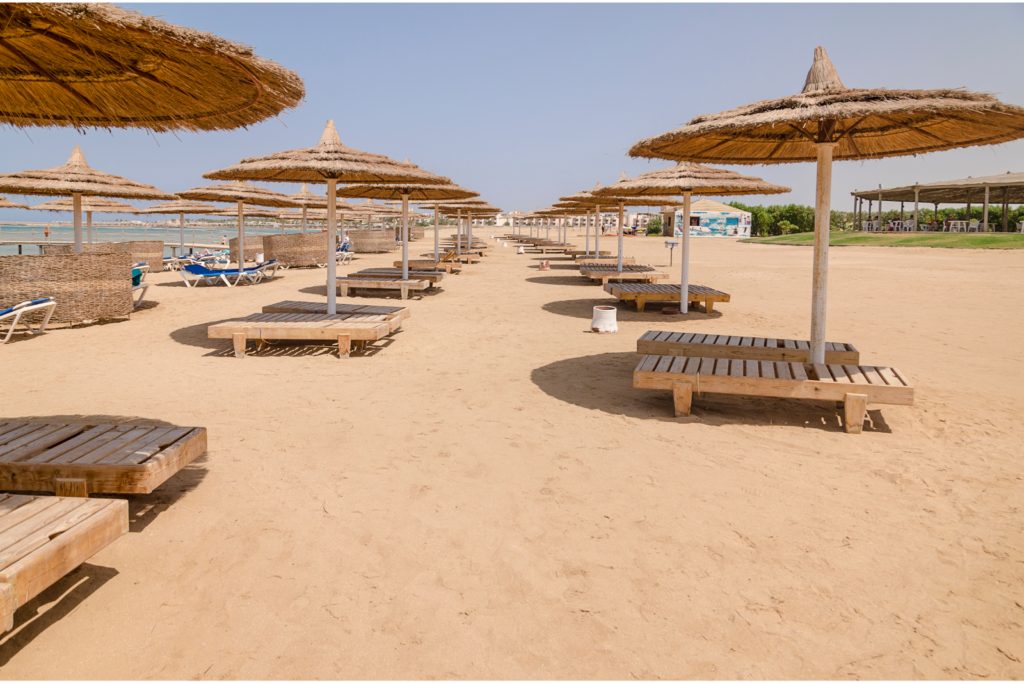
For reef straight off the shore, Marsa Alam, Dahab and Sharm el-Sheikh are the strongest bases; Hurghada and El Gouna are good too, but their best snorkelling is usually reached by boat. The difference comes down to geography. In Sinai and the deep south, deep water and fringing reef run right up to the beach, so a ten-metre swim puts you over coral. Around Hurghada the shelf is wider and shallower, so many hotel beaches front sand and seagrass, and the colourful reef starts offshore.
| Base | Shore snorkelling | Best boat or day trips | Suits |
|---|---|---|---|
| Hurghada | Limited; best at resorts with long jetties | Giftun Islands and nearby reefs | Families, first-timers, value |
| El Gouna | Little coral close in | Giftun Islands and Gubal reefs by boat | Couples who want a town around them |
| Makadi Bay, Sahl Hasheesh, Soma Bay | Good house reefs off jetties | Giftun, local reefs, Sunken City | Resort stays, children |
| Marsa Alam | Excellent; most hotels have a house reef | Samadai (Dolphin House), Hamata islands | Keen snorkellers, nature lovers |
| Sharm el-Sheikh | Very good at many hotels | Ras Mohammed, Straits of Tiran | Reef quality plus nightlife |
| Dahab | Excellent along the coast road | Blue Hole rim, Ras Abu Galum | Independent types, budget |
If you only remember one rule, it is this: ask about the house reef before you book a Red Sea hotel. A resort with a jetty onto good coral gives you three or four snorkels a day for nothing; one fronting a sandy lagoon means paying for a boat every time.
Hurghada, El Gouna and the resort bays
From Hurghada, the classic snorkelling day is a boat to the Giftun Islands, while the resort bays to the south give you good reef from a jetty. Day boats leave the marina around 9am, run about 45 minutes out to the protected area and stop at two or three reefs, often with a beach break at Mahmya on Giftun Kebir. Our Giftun Islands guide covers the trip and fees in detail. Choose a boat with a capped number of passengers: the cheapest trips can carry 50 or more snorkellers onto the same patch of coral.
About 30 km south of town, Makadi Bay and Sahl Hasheesh have jetties that run out over the reef flat to the drop-off, where you find parrotfish, Red Sea anemonefish, butterflyfish and the occasional blue-spotted ray on the sand. Sahl Hasheesh also has the Sunken City, a shallow site among the submerged columns of an abandoned building project, which fascinates children. Soma Bay, further south again, has a jetty reef too, though the peninsula can be windy.
El Gouna has calm lagoons for swimming but little coral close to the beaches, so plan at least one boat trip from Abu Tig Marina. The Hurghada and El Gouna destination pages cover where to stay; this page is about getting in the water.
Marsa Alam and the deep south
Marsa Alam is the best mainland base for snorkelling, with healthy house reefs, seagrass bays where green turtles graze, and the dolphin reef at Samadai. Because the coast is lightly developed, many hotels and eco-lodges sit in front of reef that has seen far fewer fins than Hurghada's. A typical house reef has a shallow lagoon you can wade into, then a channel or jetty out to a wall that drops into blue water.
Abu Dabbab, north of Marsa Alam town, is the famous turtle bay: green turtles feed on the seagrass in 3–8 metres of water, often a short swim from the beach. It is busy by late morning, so go early, and follow the guides' zones. See our Abu Dabbab Bay guide for the rules and timing. Marsa Mubarak, a little further north, is a quieter alternative.
Further south, boats from Hamata reach the small islands of the Wadi el-Gemal protected area, with sandy beaches and pristine reef. And the half-day or full-day boat to Samadai Reef, where spinner dolphins rest in a lagoon, is the area's signature trip; read our guide to swimming with dolphins in Egypt before you go, because the rules matter.
Sharm el-Sheikh and Dahab
South Sinai has the most dramatic snorkelling in Egypt: walls covered in soft coral drop into deep blue water just metres from the shore. In Sharm el-Sheikh, many hotels along the coast between Ras Um Sid and Nabq have jetties onto the reef, and the reef at Ras Um Sid near the lighthouse is one of the best shore sites in town. Naama Bay itself is sandy and better for swimming.
The big day out is a boat to Ras Mohammed National Park, where boats moor at shallow reefs near the famous walls, or north to the Straits of Tiran, whose four reefs are swept by current and best for strong swimmers. Both can be choppy, and boats sometimes change plan with the wind.
Dahab is the easiest place in Egypt to snorkel independently. Lighthouse Reef and Eel Garden are in town, Three Pools sits on the southern coast road, and north of town the rim of the Blue Hole and the reef above the Canyon are superb. The Blue Hole guide explains why snorkelling the rim is safe but diving its arch is not. Wear reef shoes: most entries cross a rocky reef edge. Travel advice for Sinai differs from the rest of Egypt, so check it before choosing Sharm or Dahab.
Shore or boat: which snorkelling trips are worth it?
Snorkel the house reef every day and pay for one or two carefully chosen boat trips, rather than a boat every day. Shore snorkelling lets you go when the light and water are best, usually early morning before the wind rises, and get out when you are cold or tired. Boats add reach: offshore reefs, islands, turtles and dolphins.
- Group size: ask how many passengers the boat carries and how many guides go in the water. Ten to twenty with two guides is pleasant; fifty is a crowd.
- Briefing: a good crew briefs you on each site, the current and the exit, and keeps a lookout from the boat.
- Fees: national park and protected-area fees are charged at Giftun, Ras Mohammed and some southern sites; check whether they are included, as amounts change.
- Private boats: for families or couples, a private boat costs more but lets you choose sites, avoid the crowded moorings and leave when the children have had enough. We arrange these on request.
Indicatively, a shared day boat costs roughly AUD 40–90 per person depending on the resort and what is included, and a private boat considerably more. Treat these as typical market ranges, not quotes.
Is Red Sea snorkelling good for kids?
Yes, it is one of the best places in the world for children to see a real coral reef, provided you choose a sheltered bay and give them a snorkel vest. Shallow lagoons at Makadi Bay, Sahl Hasheesh, Marsa Alam's house reefs and Dahab's Three Pools let younger children float over fish in water where they can stand on sand (never on coral).
- Age: confident swimmers of about five or six usually manage a mask and snorkel; younger children enjoy a mask alone in the shallows. Boat operators set their own minimum ages.
- Kit that fits: bring a child's mask from home and test it in the pool. A leaky hire mask ends many first snorkels.
- Flotation: an inflatable snorkel vest keeps them high and relaxed, and on many boats one is compulsory for everyone.
- Short and often: two 20-minute sessions beat one long one, especially in winter when the water is around 22°C. A 2–3 mm shorty wetsuit helps.
Our Egypt family adventure tour ends with a Red Sea snorkelling stay, and we can swap in a resort with a sheltered house reef on request.
Reef etiquette and staying safe
Float, don't stand; look, don't touch; and never feed the fish. A single fin kick can break coral that took decades to grow, and sunscreen and trampling damage the busiest reefs every season. Our reef-safe travel guide goes deeper; the essentials are:
- Use a rash vest and mineral sunscreen, applied well before you swim.
- Enter and leave the water at the jetty, ladder or marked channel, not over the reef flat.
- Keep fins off the bottom; if you need to rest, roll onto your back or hold the jetty.
- Keep at least a few metres from turtles and never chase or ride them.
Safety-wise, the Red Sea's main hazards are currents at offshore reefs, sunburn on your back and boat traffic. Learn to recognise lionfish, scorpionfish and stonefish (look, don't touch), fire coral and the black spines of sea urchins. Swim only in marked areas and follow lifeguard and local guidance: a small number of fatal shark incidents have occurred on this coast in recent years, and authorities sometimes close beaches after a sighting. They are very rare against the number of swimmers, but take closures seriously.
When to go and what to bring
The Red Sea is snorkellable all year: April to June and September to November combine warm water with comfortable air, while winter is clear but cooler. Water is coolest in February at about 21–23°C and warmest in August and September at 28–29°C. Wind is the bigger variable: it usually rises through the day, so morning sessions are calmest.
Because the seasons are reversed, an Australian summer holiday lands in Egypt's winter, when a 3 mm wetsuit makes a big difference. Bring your own mask (fit matters more than anything else), a snorkel, a rash vest, reef shoes and a dry bag. Short fins are fine for house reefs, and most boats supply fins. A cheap underwater phone pouch is better than nothing, but a small action camera is far easier to use.
Frequently asked questions
Where is the best snorkelling in Egypt?
For shore snorkelling, Marsa Alam, Dahab and Sharm el-Sheikh have reef right off the beach. For boat trips, Ras Mohammed, the Straits of Tiran, the Giftun Islands and Samadai Reef are the highlights.
Can you snorkel in Hurghada without a boat?
Only at some resorts. Many Hurghada beaches front sand and seagrass, so choose a hotel with a long jetty over the reef, or stay in Makadi Bay or Sahl Hasheesh, which have better house reefs.
Do I need a wetsuit to snorkel in the Red Sea?
From December to March, when the water is about 21–23°C, a 3 mm wetsuit or shorty makes longer sessions comfortable. In summer a rash vest is enough for sun protection.
Can non-swimmers snorkel in the Red Sea?
Weak swimmers can float with a snorkel vest in sheltered lagoons and on guided boat trips, staying close to a guide. Avoid offshore reefs with current, such as the Straits of Tiran, unless you are confident in open water.
Will I see turtles?
Green turtles are often seen grazing in the seagrass at Abu Dabbab and other bays around Marsa Alam, and hawksbill turtles are sometimes seen on reefs throughout the Red Sea. Sightings are likely but never guaranteed.