Quick answer
Egypt runs evening sound and light shows at the Giza pyramids, Karnak Temple in Luxor, Philae Temple near Aswan and Abu Simbel. Each lasts roughly an hour, with narration in a rotating set of languages. Karnak and Philae, where you walk through the floodlit temple before sitting down, are the most rewarding; Giza is the most famous and the most dated.
What is a sound and light show?
A sound and light show is an evening performance in which a monument is lit in changing colours while a recorded narration, music and voices tell its story. Egypt pioneered the format: the Giza show began in 1961, making it one of the oldest in the world. Shows at Karnak, Philae and Abu Simbel followed, run by a state-owned company.
The narration is theatrical: pharaohs and gods speak in booming voices, history is simplified and some lines feel decades old. Go expecting atmosphere rather than Egyptology. What makes it worthwhile is the setting: an ancient temple at night, empty of crowds, with stars overhead. Your daytime guide supplies the real history, and the show adds the mood.
How do the four shows compare?
Karnak and Philae let you walk through the floodlit temple before the seated finale, which is why we rate them above Giza; Abu Simbel is spectacular but only practical if you stay overnight there.
| Show | Format | Highlights | Our verdict |
|---|---|---|---|
| Giza | Seated in a grandstand facing the Sphinx, about 1 hour | Floodlit Sphinx and three pyramids | Iconic setting, most dated script |
| Karnak, Luxor | Walk along the ram-headed sphinxes and through the hypostyle hall, then sit by the Sacred Lake | Columns of the Great Hypostyle Hall lit from below | Best overall |
| Philae, Aswan | Boat to the island, walk through the courtyards, then seated | Temple of Isis reflected in the water | Most atmospheric |
| Abu Simbel | Seated facing the two temples, images projected on the façades | Ramesses II's colossi under the desert sky | Excellent if you overnight in Abu Simbel |
The show schedule and format can change; in particular, projection technology has been updated at some sites in recent years, so treat details as indicative and check before you go.
Is the Giza sound and light show worth it?
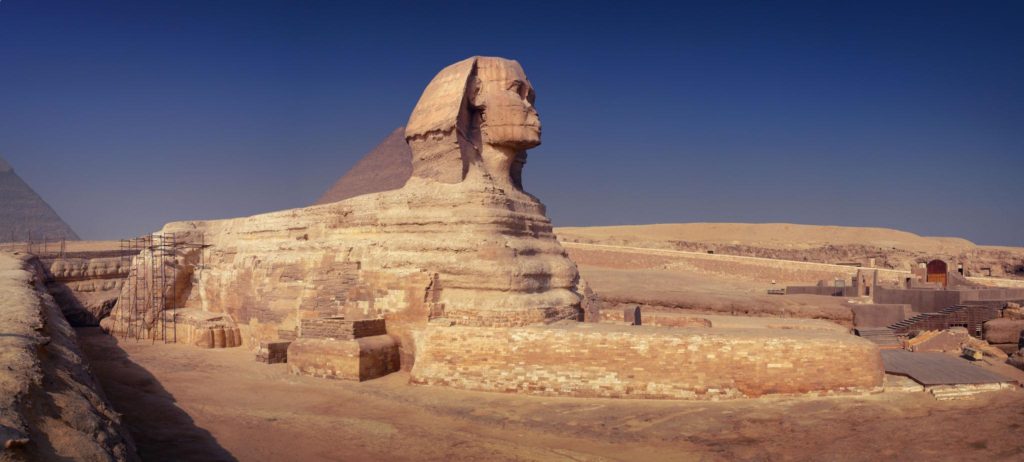
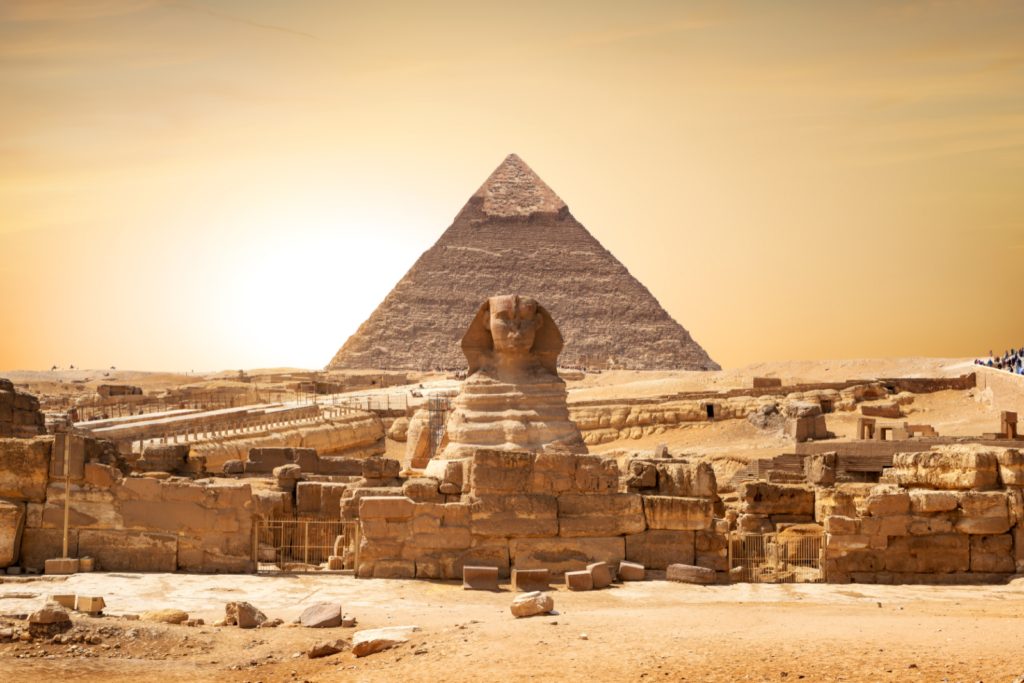
It is worth it if you are staying near the pyramids and want to see them lit at night, but it is the least engaging of the four as a show. You sit in rows of seats below the plateau, facing the Great Sphinx, while the Sphinx narrates 5,000 years of history and the pyramids of Khufu, Khafre and Menkaure take turns in coloured light.
The seats are close to Nazlet el-Samman, the village at the foot of the Sphinx, so the show is easy from hotels in Giza and an awkward evening drive from Zamalek or New Cairo in traffic. Many travellers get the same floodlit view from a rooftop restaurant nearby without sitting through the narration. For daytime planning, see our Pyramids of Giza guide.
What happens at the Karnak show?
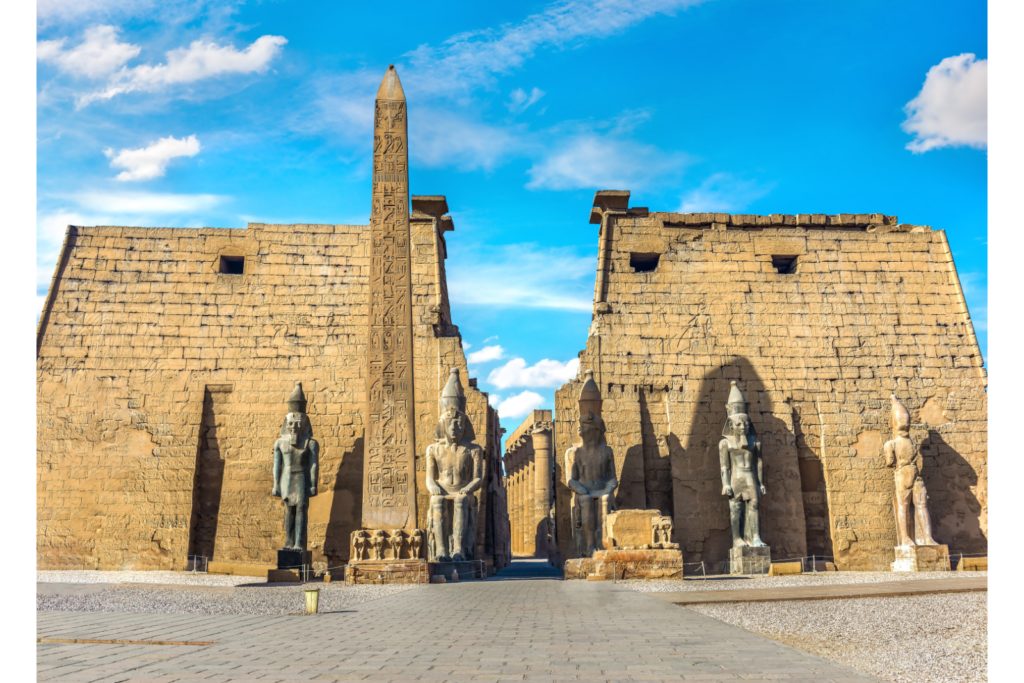
At Karnak you enter after dark through the avenue of ram-headed sphinxes, walk with the crowd through the first pylon and the Great Hypostyle Hall as lights and voices pick out each section, then take seats beside the Sacred Lake for the finale. The walking part takes around 40 minutes and the whole show about 90 minutes.
Seeing the 134 columns of the hypostyle hall lit from below, with no daytime crowds, is one of the great experiences in Luxor. The ground is uneven and dimly lit, so wear closed shoes and carry a small torch. Visit Karnak Temple by day first, ideally the same morning, so you recognise what you are seeing at night.
What happens at the Philae show?
At Philae a motorboat carries you from the landing at Shellal to Agilkia Island in the dark, you walk through the floodlit courtyards of the Temple of Isis, and then sit for the main narration. Arriving by water with the temple glowing ahead is the most magical approach of any show in Egypt.
The story centres on Isis, Osiris and Horus and on the UNESCO rescue that moved the temple to higher ground after the old Aswan dam flooded its original island. Allow about two and a half hours including transfers from central Aswan. Boats are an extra cost on top of the show ticket, as by day. Bring repellent, as mosquitoes can be lively by the water. Read our Philae Temple guide for the daytime visit.
Is the Abu Simbel show worth staying overnight for?
Yes, if you have the time: the Abu Simbel show projects images onto the façades of the Great Temple of Ramesses II and the Temple of Nefertari, and staying the night also lets you see the temples at dawn before the day-trippers arrive. Most visitors reach Abu Simbel on a dawn convoy or flight from Aswan and leave by late morning, so they never see the temples at night.
The show is shorter and simpler than Karnak's, with the audience seated on the open ground in front of the temples and the four 20-metre colossi of Ramesses II lit and animated against the dark sky over Lake Nasser. Its subject is the king, his queen Nefertari and the extraordinary 1960s operation that cut both temples into blocks and rebuilt them on higher ground. Seeing those faces glow in the silence of the desert, far from any city, makes the experience quite different from the busy morning visit.
Overnighting in Abu Simbel needs a little planning: accommodation in the village is limited and fills on the Sun Festival dates around 22 February and 22 October, and Lake Nasser cruise ships moored there usually include the show. See our Lake Nasser cruise guide for that option.
Languages, timing and tickets
Each show runs several performances a night in a rotating set of languages, and English is usually offered most nights at Giza, Karnak and Philae, but you must check the schedule for your date. Other common languages include Arabic, French, German, Spanish, Italian, Russian, Japanese and Chinese, with the order changing by day of the week.
- Timing: the first show starts soon after dark, so around 6–6.30pm in winter and later in summer.
- Headsets: some sites offer translation headsets when your language is not scheduled, but quality varies.
- Tickets: buy in advance for winter peak dates, through your guide or the show's official channels, and confirm the language and time.
- Weather: desert evenings drop to around 10°C between December and February, so bring a jacket.
- Cancellations: shows occasionally stop for maintenance or events; ask your guide to confirm the day before.
Which sound and light show should you choose?
If you only do one, choose Karnak in Luxor; choose Philae if you are spending two nights in Aswan; choose Giza only if you are staying beside the pyramids.
- First-time visitors on a cruise: Karnak, on the evening before or after your Luxor sightseeing.
- Couples: Philae, for the boat ride and the reflections.
- Families with younger children: Giza, because it is seated, early and close to Giza hotels. Older children usually prefer the walk-through at Karnak.
- Travellers overnighting at Abu Simbel: the Abu Simbel show is a fine bonus; see our Abu Simbel guide.
- Serious history buffs: skip the shows and use the evening for the Luxor Museum, which opens late, or a temple by moonlight from the riverbank.
Frequently asked questions
How long is the sound and light show at the pyramids?
About an hour, seated in front of the Sphinx. Several shows run each evening in different languages.
Is there an English sound and light show every night?
English is usually scheduled most nights at Giza, Karnak and Philae, but the language rotation changes, so check the schedule for your date at the time of booking.
Which is better, Karnak or Philae sound and light?
Both include a walk through the lit temple. Karnak is grander, with the hypostyle hall; Philae has the more romantic boat approach. If you only have time for one, choose the one in the city where you have a free evening.
Are sound and light shows suitable for kids?
Older children often enjoy them, especially the walk-through shows. Younger children may find the narration long and the late finish tiring; the early Giza show is easiest.
Do I need a jacket for the sound and light show?
From November to March, yes. Desert and river evenings can fall to around 10°C, and you sit still for much of the show.