Quick answer
You can ride a camel at the Giza pyramids, on Aswan's west bank to the Monastery of St Simeon or a Nubian village, and in Sinai on Mount Sinai and the coast near Dahab. Short rides of 20–30 minutes are plenty for most people. Choose animals that look well fed and unhurt, agree the full price and route before you mount, and walk away from handlers who beat their animals.
Where can you ride a camel in Egypt?
The three best places to ride are the desert edge at Giza for the pyramid photo, Aswan's west bank for the ride to St Simeon's Monastery, and Sinai, where Bedouin camels carry people up Mount Sinai and along the coast.
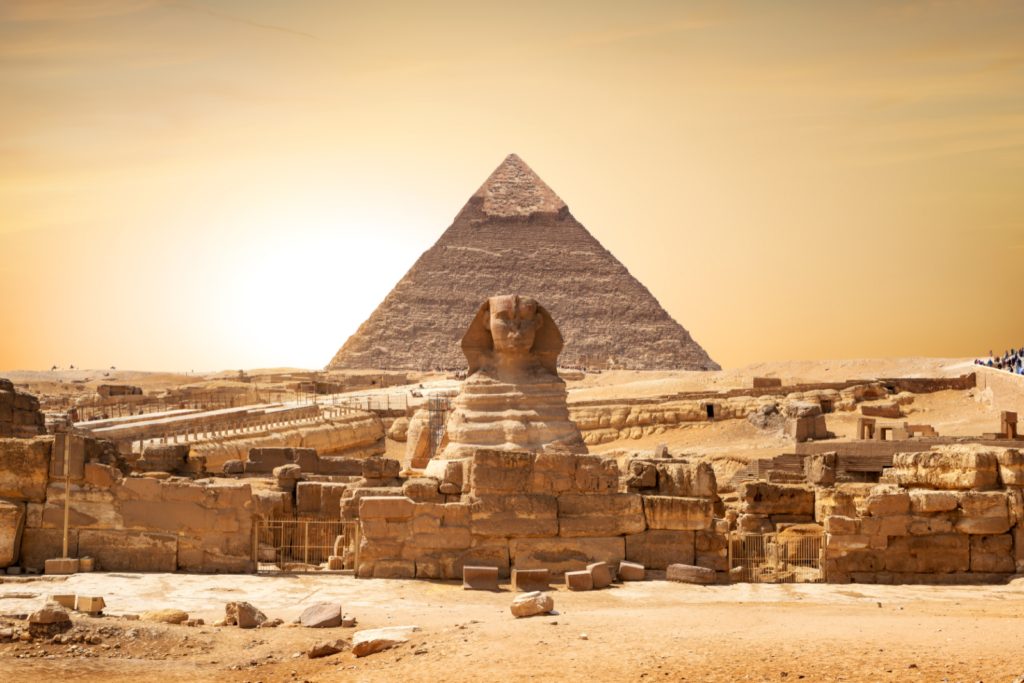
- Giza: camels wait in designated areas near the Panoramic Point and the desert behind the plateau. A ride of 20–30 minutes gives you the classic shot with all three pyramids. Our Pyramids of Giza guide covers how this fits your visit.
- Aswan: after crossing the Nile by boat, you can ride over the dunes to the 7th-century ruins of the Monastery of St Simeon, about 20–30 minutes each way, or to a Nubian village. The views over the river are superb.
- Mount Sinai: Jebeliya Bedouin camels carry walkers up the camel path most of the way to the final 750 steps before the summit. See our Mount Sinai guide.
- Dahab: camel treks along the coast to the Ras Abu Galum protected area, often combined with snorkelling.
- Deserts and oases: short rides are offered at Bedouin camps outside Hurghada and Sharm, and in Siwa and the Western Desert, though serious multi-day camel treks are now rare.
Where do Egypt's tourist camels come from?
Almost all camels in Egypt are one-humped dromedaries, many of them bred in Sudan and sold through the great camel market at Birqash, north-west of Cairo, before being trained for riding, farm work or meat. The trade follows ancient caravan routes such as the Darb al-Arba'in, the Forty Days Road, which once brought camels north through the Western Desert to the Nile Valley.
A riding camel is a working animal and a major investment for its owner. At Giza, camels are often owned by families in Nazlet el-Samman and the villages around the plateau, and the man leading you may be an employee or a son rather than the owner. In Sinai, camels belong to Bedouin families and are part of a pastoral way of life that predates tourism; in Aswan, Nubian and Arab families keep them on the west bank for the short ride to the monastery and villages.
Camels are well adapted to heat and can carry far more than a person, so a short ride on a healthy animal is not a burden. Problems arise from overwork, poor feed when tourism falls, badly fitted saddles and rough handling, which is why looking at the individual animal matters more than the place you ride. Birqash itself can be visited on a Friday morning, though it is a working livestock market and some visitors find the handling of animals there confronting.
What about animal welfare?
Welfare standards vary from good to very poor, and the worst conditions have been documented around Giza, so look closely at the animals before you ride and be ready to walk away. Animal-welfare groups have published investigations over the past decade showing thin, injured and beaten camels and horses at tourist sites, and the collapse in visitor numbers after 2011 left many working animals near starvation. Conditions have improved in places, but not everywhere.
Signs of a well-kept camel:
- Visible fat over the hump and hips, with no sharp hip bones or ribs.
- No open sores, especially under the saddle, around the nose peg or on the legs.
- Access to shade and water while waiting, and a handler who is calm rather than hitting the animal.
- Padding under the saddle and a nose rope that is not pulled hard.
Your choice matters, because operators respond to what visitors pay for. If you see abuse, don't ride, and tell your guide; on a private tour we arrange rides only with handlers we know. Read more in our guide to responsible travel in Egypt.
How do you avoid the camel ride scam at Giza?
Agree the total price for the whole group, the duration, the route and that getting down is included, all before you climb on; then pay only at the end. The classic trap is a cheap or "free" ride offered by a friendly man near the entrance, followed by a demand for much more money before the camel is made to kneel.
- Ignore anyone who approaches you at the gates, in the car park or on the road claiming the site is closed.
- Say clearly "total, for all of us" and the number of minutes, and confirm photos are included.
- Carry small notes so you can pay the exact amount.
- If a dispute starts, stay calm and seated; tourist police patrol the plateau.
We don't quote prices because they change and are negotiable, but your guide will tell you what is fair. Arranging the ride through your guide removes almost all of the hassle. Our guide to common scams in Egypt covers the variations.
What does riding a camel feel like?
The hardest part is getting on and off: a camel stands up back legs first, pitching you forward, then front legs, tipping you back, so lean back as it rises and hold the saddle horn. Kneeling down reverses the motion. Once it is up you are about two metres off the ground, higher than most people expect.
The walk is a slow rolling sway that takes a few minutes to relax into. Tourist rides are almost always led on foot by the handler, so you don't steer. Wear long trousers, as the saddle rubs bare legs, and closed shoes. A 20–30 minute ride is comfortable for almost anyone; after an hour or more, thighs and lower backs complain. Skip it if you have back problems or are pregnant.
Children usually love it. Small children typically ride in front of an adult on the same saddle; agree this with the handler. Our family itineraries include a camel ride with a handler we trust.
Camel etiquette and tipping
Treat the handler as a professional, pay the agreed price at the end, and add a small tip if the ride was good. Photos of handlers in traditional dress are often part of the deal, but ask first, and expect a tip if someone poses for you without riding.
- Don't feed camels anything you have brought; handlers manage their diet.
- Don't walk directly behind a camel; they can kick, though it is rare.
- Keep bags small and on your front; a large backpack unbalances you.
- In Sinai, the Bedouin run camel services through their own community arrangements, so going with the camel men at the trailhead supports local families.
A tip of around 10 per cent of the agreed price, given directly to the handler who led you, is appreciated; many handlers are paid little by the camel owner.
Camel, horse or neither?
For a short ride at the pyramids we generally suggest a camel over a horse or carriage, because the horses on the plateau have drawn the most welfare criticism and a led camel walk needs no riding experience. Experienced riders who want to gallop across open desert are better served by a reputable stable outside the plateau; see horse riding at the pyramids.
It is also perfectly fine to skip riding altogether. The best pyramid views are on foot from the Panoramic Point, and many travellers prefer to photograph the camels rather than ride them.
Frequently asked questions
Is it cruel to ride camels in Egypt?
It depends on the operator. Well-fed, healthy camels used for short rides are not harmed by carrying a rider, but animals at some tourist sites have been documented as underfed and beaten. Check the animal's condition and the handler's behaviour, and walk away if you're unhappy.
How long should a camel ride at the pyramids be?
Twenty to thirty minutes is plenty to reach a good photo point and get the feel of it. Agree the duration before you mount.
Can children ride camels in Egypt?
Yes. Young children usually ride in front of an adult, and older children ride alone with the handler leading. Make sure they hold on while the camel stands and kneels.
Can you ride a camel up Mount Sinai?
Yes, camels operated by local Bedouin go up the camel path most of the way, but the last 750 or so steps to the summit are on foot.
What should I wear to ride a camel?
Long, loose trousers, closed shoes, a hat and sunglasses. Skirts and shorts are uncomfortable on the saddle.