Quick answer
Stables in Nazlet el-Samman and nearby villages at the foot of the Giza plateau run desert rides of one to three hours, with views of the pyramids from the dunes to the south and west, and longer rides towards Abusir and Saqqara. Sunrise and sunset are the best times. Welfare varies widely, so choose a stable whose horses are in good condition, insist on a helmet, and be honest about your riding experience.
What is a desert horse ride at the pyramids like?
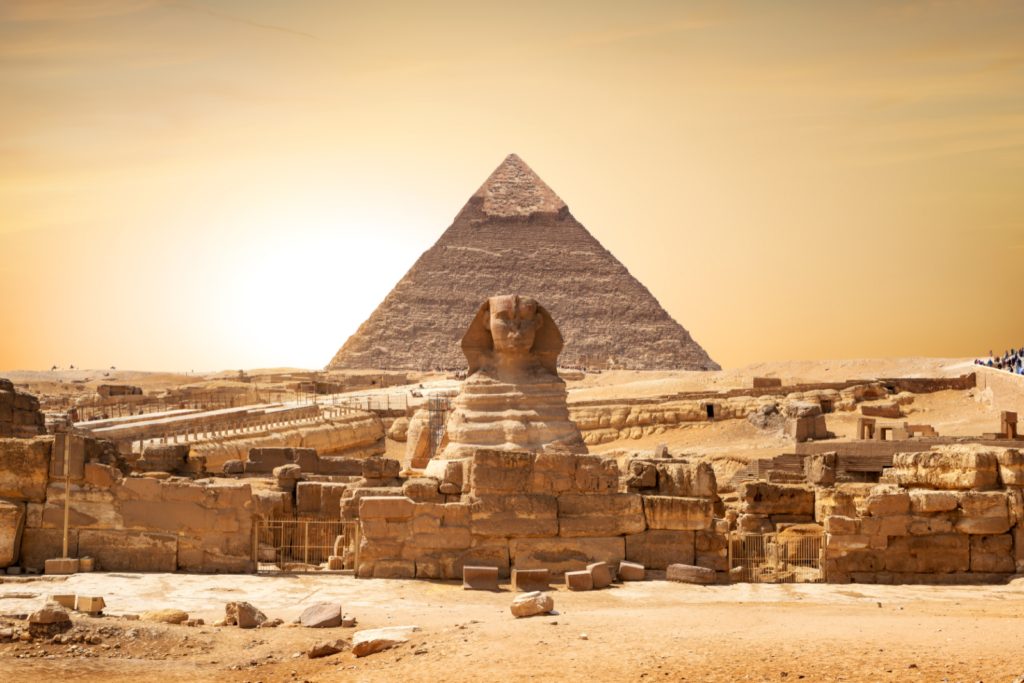
You ride out from a stable on the edge of the plateau, follow sandy tracks into the open desert, and stop on a dune with all of the Giza pyramids lined up in front of you, without the crowds of the Panoramic Point. Rides usually run one to three hours with a local guide on horseback. On longer rides the horizon opens up to the south, where the pyramids of Abusir and the Step Pyramid of Saqqara appear.
Horses in the area are mostly Arab or Arab-cross, light and quick. Tack is a mix of English and western-style saddles. Experienced riders can canter on long sandy stretches; beginners are kept to a walk, sometimes on a lead rope. Many riders say the view from horseback, with the desert silent around them, is the moment the pyramids truly sink in.
Depending on the route, you may cross the edge of the archaeological zone, in which case you need a valid plateau ticket. Routes and access rules change with management of the site, so confirm with the stable and check before you go.
Where do rides start?
Most stables are in Nazlet el-Samman, the village directly below the Sphinx, and in neighbouring villages along the south side of the plateau, a few minutes from the Giza hotels. Stables range from small family yards to larger businesses with dozens of horses. Many have rooftops with views to the Sphinx.
The location makes a ride easy to fit around other plans: ride at sunrise and be at the Grand Egyptian Museum, about 2 km away, when it opens, or ride at sunset after a morning at Dahshur or Saqqara. Staying in a Giza hotel rather than Zamalek or New Cairo avoids a long drive in the dark. See our guide to where to stay in Cairo.
Ignore anyone on the road into Giza who tells you the site is closed and offers to take you to "his cousin's stable". That is a well-known way of steering visitors into overpriced rides on poorly kept horses.
Sunrise or sunset?
Sunrise gives cooler air, emptier desert and the pyramids lit gold from the east; sunset gives warmer light behind the pyramids and is easier to fit into a sightseeing day.
- Sunrise: meet at the stable around 30–45 minutes before sunrise, so about 6am in winter and closer to 5am in summer. The desert is cold in December and January, so wear layers.
- Sunset: start about two hours before sunset. The pyramids sit between you and the sun from the desert to the south-west, so you get silhouettes rather than colour.
- Summer: from May to September ride only at sunrise; midday heat is dangerous for horses and riders.
- Haze: Cairo's air can be hazy, especially in autumn and during spring khamsin winds, which softens the view.
What about horse welfare at Giza?
Horse welfare at Giza is a genuine concern: thin, overworked and injured horses on the plateau have been documented for years, and the collapse in tourism after 2011 left many near starvation. Some stables keep their horses in good condition and many others do not, so it is up to you to look.
The UK-founded charity Brooke, which began in Cairo in 1934 to care for ex-army horses, still works with working horses, donkeys and mules in Egypt, including around Giza, running treatment and education for owners. Other local groups also run veterinary programs. Their work is a reminder that the animals here depend on the choices visitors make.
Before you get on, check:
- Body condition: ribs and hip bones should not be sharply visible.
- Skin: no sores under the saddle area, girth or bit, and no wounds on the legs.
- Hooves: trimmed and shod, not cracked.
- Stable: shade, water, clean bedding and space to lie down.
- Handling: calm guides without whips or harsh bits, and horses rested between rides.
If what you see worries you, leave. We generally suggest avoiding the horse-drawn carriages and horses touting inside the plateau itself; see camel riding in Egypt for the camel equivalent.
Can you ride to Abusir or Saqqara?
Experienced riders can ride across the open desert south from Giza towards the pyramids of Abusir and Saqqara, a half-day or full-day outing that some stables offer to confident riders only. Abusir is roughly 10 km south of the Giza pyramids and Saqqara a little further, so the route covers a good distance of sand and gravel with no shade.
The appeal is the landscape: the Giza pyramids shrink behind you as the Fifth Dynasty pyramids of Abusir and the Step Pyramid of Djoser rise ahead, and for long stretches you see no road at all. It is one of the few ways to experience the scale of the Memphite necropolis, the chain of royal cemeteries that runs along the desert edge for more than 30 km.
Plan it carefully. Ride only between November and March, start at first light, and carry plenty of water for yourself; a good stable will water the horses on the way. Entry to Saqqara needs a ticket, and you may not be allowed to ride into the archaeological site, so arrange for a car to collect you and for the horses to return with a groom. Routes across the desert are subject to security and antiquities rules that change, so this is very much a trip to plan with a stable and guide who do it regularly. For the sights themselves, see Giza vs Saqqara vs Dahshur.
How do you ride safely?
Be honest about your riding experience, insist on a helmet, check the girth and stirrups yourself, and don't let the guide push you into a faster pace than you want. Helmets are not always offered, so ask in advance, or pack a lightweight riding helmet if you ride often.
- Wear long trousers and closed shoes with a small heel, not hiking boots with chunky soles.
- Horses that live by the desert know the routes home and can get keen on the return leg; hold a steady rein.
- Agree the route, duration and total price before you mount; a common trick is extending the ride and charging more.
- Carry water and sunscreen, and a scarf against dust.
- Check that your travel insurance covers horse riding; some policies exclude it or limit cover.
Who is a pyramid horse ride for?
It suits confident riders who want open desert and space, and patient beginners on a walk-only ride with a well-chosen stable; it is less suited to young children or anyone nervous around horses.
- Experienced riders: a three-hour or longer ride towards Abusir, with a chance to canter.
- Beginners: a one-hour walk to a pyramid viewpoint; ask for the quietest horse.
- Teenagers: often a highlight; book with a stable that provides helmets.
- Young children: a short camel ride with a handler is usually the better choice.
On a private itinerary such as our Cairo and pyramids stopover, we can arrange a ride with a stable we have checked and match the horse to your ability.
Frequently asked questions
Can you ride horses around the pyramids?
Yes. Stables in Nazlet el-Samman and nearby villages run rides into the desert behind the plateau with views of all the pyramids. Some routes cross the archaeological zone and need a plateau ticket, so check before you go.
Do I need riding experience?
No, beginners can walk with a guide, sometimes on a lead rope. Only confident riders should canter on the open sand.
Are the horses at Giza treated well?
It varies widely. Some stables look after their horses well; others don't, and poor welfare at Giza has been documented for years. Check the horse's condition, the stable and the handling before you ride, and walk away if you're unhappy.
What time are sunrise horse rides at the pyramids?
Usually meet around 6am in winter and around 5am in summer, about 30–45 minutes before sunrise, for a ride of one to two hours.
Are helmets provided?
Not always. Ask the stable in advance or bring your own lightweight riding helmet.