Quick answer
The best sandboarding in Egypt is on the dunes of the Great Sand Sea around Siwa Oasis and around Wadi el-Rayan in Fayoum, the easiest dunes to reach from Cairo. It is a relaxed, low-tech activity included in most 4WD dune safaris: you ride basic waxed boards down soft slopes in the late afternoon, then walk back up, with no lifts and no special skills needed.
Where can you go sandboarding in Egypt?
The two best places are Siwa Oasis, on the edge of the Great Sand Sea in the far west, and Fayoum, south-west of Cairo, where dunes surround the lakes of Wadi el-Rayan. Siwa has the bigger, more spectacular dunes and the sense of real remoteness; Fayoum is the practical choice if you only have a day or two from Cairo.
Smaller dunes in the Bahariya area and near the White Desert are also ridden on overnight desert trips, and you will see boards offered near some of the Red Sea resorts' desert safari camps, but the dunes there are short and gravelly. If sandboarding is on your list, plan it around Siwa or Fayoum rather than as an afterthought.
A word on expectations: Egyptian sandboarding is informal fun, not a sport with resorts and lifts. You will be with a driver-guide on a dune safari, the boards are simple, and the main effort is walking back up the slope. That is exactly its charm.
Sandboarding in Siwa and the Great Sand Sea
From Siwa town, a half-day 4WD safari reaches tall, clean dunes of the Great Sand Sea within about 30–45 minutes, combining sandboarding with a swim in a desert spring and sunset over the dunes. The Great Sand Sea stretches south and west of the oasis towards Libya, one of the largest dune fields on Earth, and the first ridges begin just beyond the palm groves.
A typical trip leaves around 2–3pm in winter. Drivers take you over the first dunes at speed (ask them to slow down if you prefer), stop at a cold freshwater lake fringed by reeds, then head deeper to slopes chosen for boarding. Many trips include Bir Wahed, a hot spring that bubbles into a small pool in the dunes, ideal after an hour of climbing. You watch sunset from a crest and return in the dark, sometimes with dinner at a desert camp.
Our Great Sand Sea guide covers longer safaris and permits, and our Siwa Oasis guide explains how to get there. Siwa is about 9–10 hours by road from Cairo, usually broken with a night in Alexandria or Marsa Matruh, so plan at least three nights in the oasis to justify the journey.
Sandboarding in Fayoum
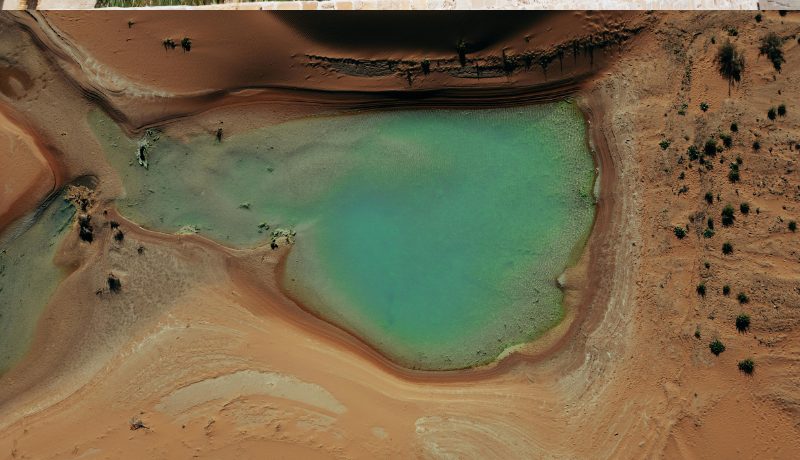
Fayoum's dunes around Wadi el-Rayan and the Magic Lake are the closest serious sandboarding to Cairo, about 2.5–3 hours each way, and can be done as a long day trip. Wadi el-Rayan is a protected area of two lakes linked by small waterfalls, set among sand and limestone escarpments; the Magic Lake, a little further on, is surrounded by golden dunes that shelve straight down to the water. Our Wadi el-Rayan guide covers the area.
Most visitors combine boarding with the whale fossils of Wadi el-Hitan, a UNESCO World Heritage site, or with the pottery village of Tunis on Lake Qarun. A typical day leaves Cairo around 7am, visits Wadi el-Hitan in the morning, has lunch, then reaches the dunes for the afternoon and the drive back after sunset. Staying overnight in Fayoum, at a lodge or a desert camp, makes the day far less rushed.
What is sandboarding actually like?
It feels like a slow, soft version of snowboarding or tobogganing: speeds are modest, falls are into soft sand, and almost anyone can have a go. Boards are usually wooden or laminated, with simple foot straps or none at all. The guide rubs wax on the base before each run; without it, sand grips the board and you barely move.
- Standing: like a snowboard, sideways with knees bent and weight on the back foot. Snowboarders pick it up quickly; everyone else falls a few times.
- Sitting or lying: lying on your stomach, head first, is the fastest and most fun way down for many people, and the safest for children if done on a gentle slope.
- The climb: each run takes a minute and the walk back up takes five to ten. Three to six runs is a satisfying session for most people.
Expect sand everywhere: in pockets, ears and camera bags. Wear long, light clothing and sunglasses, and keep phones in a zip bag.
Surface matters more than steepness. Fine, wind-packed sand on the upwind side of a dune is firm and fast; loose sand on a freshly blown slope is slow and grabby. Guides choose slopes of roughly 20–40 metres with a long, flat run-out, and the same dune can ride very differently in the cool of late afternoon than at midday. If you snowboard or surf, bring your own soft-soled shoes that fit into straps; most people ride barefoot or in socks once the sand has cooled.
When to go and the best time of day
October to April is the season, and late afternoon is the time: the sand cools, the light turns gold and you finish with sunset. In winter, midday desert temperatures are comfortable at around 20–25°C, but nights are cold, often near 5°C in Siwa in January, so pack a warm layer for the drive back.
From May to September, sand surface temperatures in the middle of the day are high enough to burn bare feet, and the climb back up is exhausting. If you travel in summer, go out only for the last two hours of daylight or at first light. Spring khamsin winds, most common in March and April, can bring sandstorms that cancel trips. Our best time to visit Egypt guide covers the seasons in more detail.
Safety and sandboarding with children
Sandboarding is low-risk if you choose the right slope: start low, check the run-out, and never board on the steep, sheer lee face of a dune. The main injuries are wrist and shoulder sprains from falling forwards, so tuck your arms in. A few more tips:
- Check that the bottom of the slope is clear of rocks, vegetation and parked vehicles.
- Go one at a time and wait until the rider below has moved out of the way.
- Children should ride sitting or lying on gentle slopes, with an adult at the bottom.
- Carry at least 1.5 litres of water per person; the climbing is thirstier than it looks.
- Choose a licensed operator with a well-maintained 4WD, a second vehicle for deeper trips and a satellite or mobile signal plan. Desert trips beyond the immediate oasis require permits, which your operator arranges.
Families who want to stay out longer can combine boarding with a night under the stars; our desert camping guide explains what to expect.
How do you fit sandboarding into an Egypt trip?
Treat it as part of a desert stay rather than a separate excursion: an afternoon of boarding fits naturally into two or three nights in Siwa or one night in Fayoum. The simplest option is Fayoum from Cairo: leave after breakfast, see Wadi el-Hitan, board the dunes at Wadi el-Rayan in the afternoon and sleep at a lakeside lodge before returning to Cairo the next morning. It slots in before or after a Nile cruise without disturbing the rest of the itinerary.
Siwa takes more commitment but rewards it. A typical plan drives from Cairo to Marsa Matruh or Alexandria on day one, reaches Siwa by lunchtime on day two, and spends the afternoon of day three on a Great Sand Sea safari with boarding, the hot spring and sunset. Longer itineraries continue overland towards Bahariya and the White Desert with a desert permit. Our Siwa vs White Desert comparison helps you choose between the two desert regions if you only have time for one.
Frequently asked questions
Where is the best sandboarding in Egypt?
The Great Sand Sea near Siwa Oasis has the biggest and most beautiful dunes. For a trip from Cairo, the dunes around Wadi el-Rayan and the Magic Lake in Fayoum are the most accessible.
Can you go sandboarding near Cairo?
The closest good dunes are in Fayoum, about 2.5–3 hours from Cairo, which makes a long day trip or, better, an overnight stay.
Do I need experience to sandboard?
No. You can ride sitting or lying on the board from your first run. Standing is easier for snowboarders, but beginners usually manage a few short rides after some falls.
Is sandboarding included in a Siwa desert safari?
Usually. Most half-day 4WD safaris from Siwa include boards and wax, along with the cold lake, the Bir Wahed hot spring and sunset. Confirm when booking.
Is sandboarding safe for children?
Yes, on gentle slopes with a clear run-out. Children should ride sitting or lying down, one at a time, with an adult at the bottom.