Quick answer
An Egyptian cooking class usually means three to four hours in a family kitchen in Cairo, Luxor or Aswan, often starting with a trip to the local market, then cooking and eating a full home-style meal such as molokhia, mahshi, koshari or ta'ameya. Home-hosted classes are the most rewarding because you see how Egyptians actually live; hotel and cruise demonstrations are easier but more like a show.
What is an Egyptian cooking class like?
Most Egyptian cooking classes are relaxed, hands-on sessions in a real home kitchen, where a host, usually a woman who has cooked these dishes all her life, shows you how to prepare three to five dishes that you then eat together. There is rarely a formal recipe card. You chop, stuff, roll and stir alongside her, while a guide or family member translates and explains.
A typical class runs for three to four hours. Many begin with a walk through the neighbourhood market to buy vegetables, herbs and bread, which is worth doing in its own right: you learn the Arabic names for ingredients, see how fresh produce is weighed and priced, and meet the spice seller. Back in the kitchen, the work is shared out, and the session ends at the table, often joined by members of the family.
The best classes are as much about hospitality as technique. Expect tea on arrival, questions about your family and your life in Australia, and far more food than you can eat.
What dishes will you learn to cook?
Classes concentrate on home cooking rather than restaurant food: stews, stuffed vegetables, rice dishes and mezze, plus one dessert. The exact menu depends on the season and the host, but these are the dishes most often taught.
- Molokhia: a silky green soup-stew made from finely chopped jute mallow leaves cooked in stock, finished with garlic and ground coriander fried in ghee (the taqliya). Many cooks give a sharp intake of breath as the garlic goes in, a kitchen tradition hosts love to explain. See our molokhia guide.
- Mahshi: vine leaves, cabbage, courgettes, capsicums or eggplants stuffed with rice, tomato and herbs such as dill, parsley and coriander, then simmered in stock. Rolling vine leaves tightly is the skill you take home. More in our mahshi guide.
- Koshari: a lesson in timing, because the rice, lentils, pasta, chickpeas, tomato sauce, garlic vinegar and crisp onions are each cooked separately and assembled at the end.
- Ta'ameya: soaked fava beans ground with herbs, leek and garlic, shaped and fried.
- Mezze: baba ghanoug (smoky eggplant), tahini sauce and a chopped tomato and cucumber salad.
- Desserts: basbousa, the syrup-soaked semolina cake, or om ali, a baked pudding of pastry, milk, nuts and raisins.
In Aswan and Nubian homes the meal often reflects the river: fish, okra stew and bread baked at home, though menus vary from family to family. If you want to understand where all these dishes fit, start with our overview of Egyptian food.
Where can you take a cooking class in Egypt?
Cairo, Luxor and Aswan all offer cooking classes, and each feels different: city apartment kitchens in Cairo, village homes on Luxor's west bank, and Nubian houses by the river in Aswan.
Cairo
Classes in Cairo are usually hosted in family apartments in central or residential districts, sometimes combined with a market visit in a working neighbourhood. They are the easiest to fit into a city stay, and the evening can flow on to a walk or a food tour on another night.
Luxor
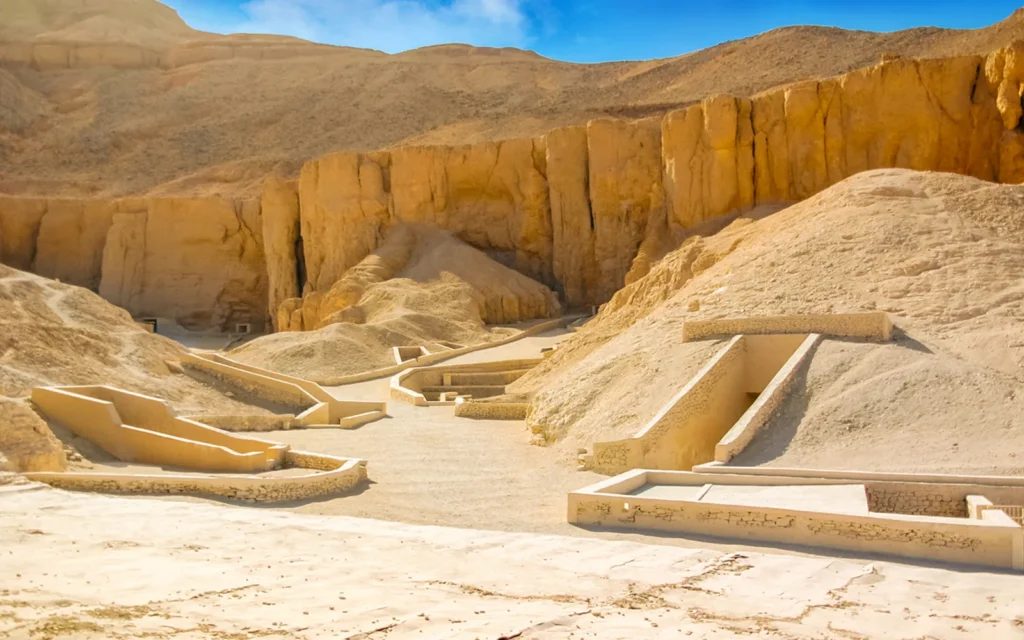
The farming villages of the west bank, among the sugar cane and clover fields below the Theban hills, are a lovely setting. Classes here often use produce from the family's own plot and bread baked in a clay oven. They pair well with a morning in the Valley of the Kings, as the villages are only a short drive from the monuments.
Aswan and the Nubian villages
Some Nubian families in villages near Aswan, such as Gharb Soheil, offer cooking sessions or long home-cooked lunches. They are informal and warm, and you learn about Nubian life at the same time. See our guide to visiting a Nubian village.
Hotels, cruise ships and dahabiyas
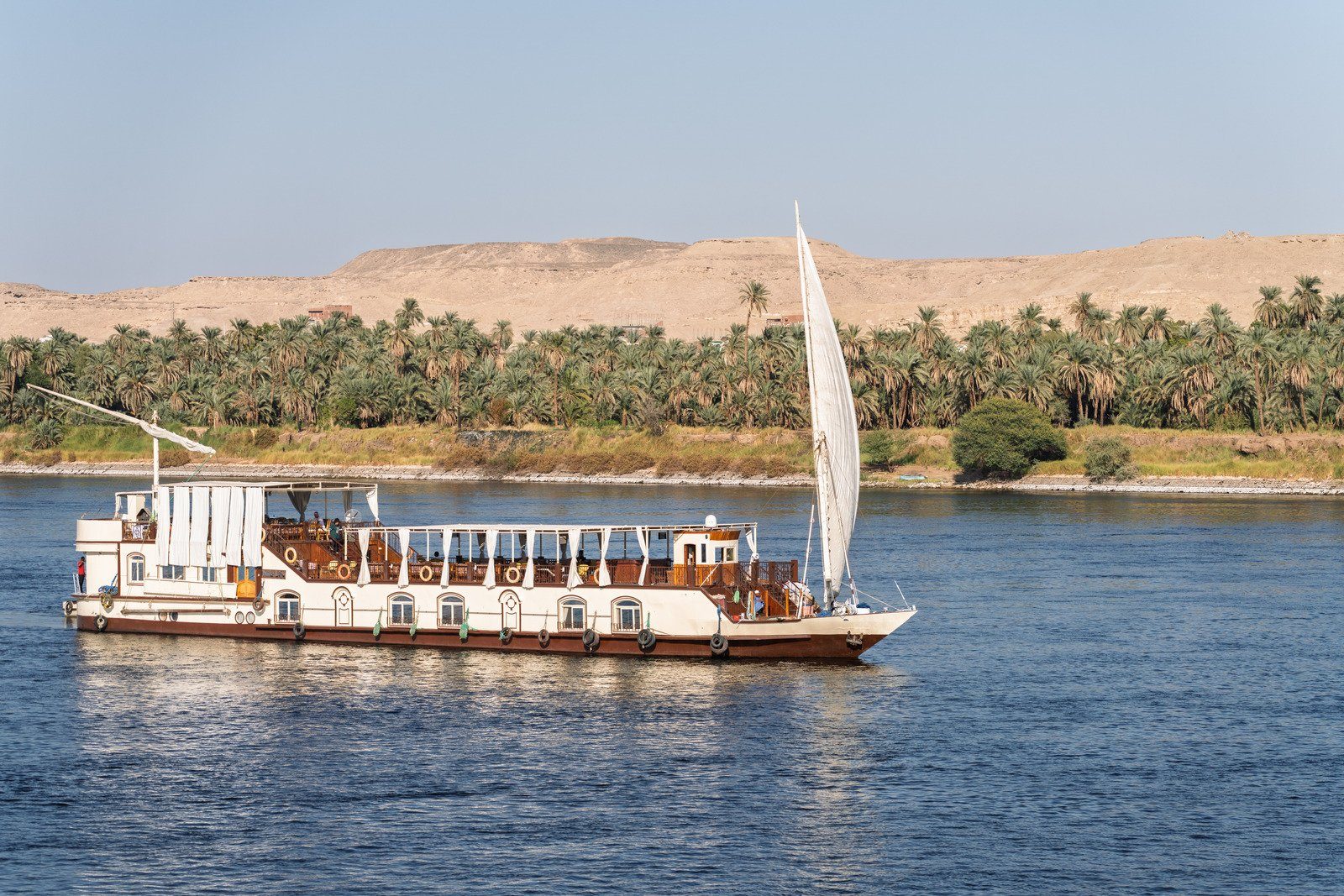
Some upmarket hotels and Nile boats offer cooking demonstrations or classes with their chefs. These are convenient and hygienic, but more of a demonstration than a home experience.
Home-hosted, school or hotel: which type of class should you choose?
Choose a home-hosted class if you want cultural connection, a hotel class if convenience and a polished kitchen matter most, and a dahabiya or cruise session as a bonus rather than the main event.
| Type | Setting | Strengths | Drawbacks |
|---|---|---|---|
| Home-hosted | Family kitchen, often with a market visit | Authentic food, real conversation, the most memorable | Small kitchens, basic equipment, needs a translator |
| Cooking studio or school | Purpose-built teaching kitchen | Clear instruction, recipes to take home | Less personal; few options outside Cairo |
| Hotel or cruise demonstration | Professional kitchen or deck | Easy to fit in, high hygiene | Often watching rather than cooking |
For most travellers a private home-hosted class, with a guide to translate and transport arranged, gives the best balance. It is also one of the few times on a fast-moving itinerary when you sit down for a meal with an Egyptian family.
How do you choose a good cooking class host?
Look for a class where you cook rather than watch, where the group is small, and where the host or organiser can explain what the money goes to and how dietary needs are handled. A few questions sort the good from the tired:
- Hands-on or demonstration? Ask how much you will actually do. Rolling vine leaves yourself is the point.
- Group size: home kitchens are small; four to eight people is comfortable.
- Market visit: is it included, and is it a working market or a staged stop?
- Dietary needs: can the menu be vegetarian, vegan, gluten-free or nut-free?
- Translation and transport: who translates, and how do you get there and back? Village homes on the west bank or near Aswan are not always easy to find.
- Who benefits: a fair arrangement pays the host family directly and properly for their time and ingredients.
Hygiene in good home kitchens is fine, but use bottled water for drinking and rinsing raw salad, and choose the cooked dishes if your stomach is sensitive.
What should you know before you go?
Dress modestly, arrive hungry, bring a small gift if it is a home visit, and expect a long, generous meal. These small things make the experience smoother for you and your host.
- Clothing: cover shoulders and knees, and wear shoes you can slip off; many homes are shoes-off. Women do not need to cover their hair in a private home.
- Gifts: a box of sweets from a good patisserie, or something small from Australia, is appreciated. Your guide can suggest what fits.
- Eating: your host will keep refilling your plate. Leaving a little food signals you are full; saying alhamdulillah (thanks be to God) after a meal is a warm touch.
- Right hand: pass and eat with your right hand when eating from shared plates or with bread.
- Photos: ask before photographing family members, especially women and older relatives.
- Ramadan: classes may be scheduled to finish at sunset so you share the iftar meal, which is a special experience.
Many of the ingredients you use, from dried molokhia to spice blends, can be bought in markets to take home, but check Australian biosecurity rules first; seeds, some dried plant material and anything containing meat or dairy may be restricted. Our guide to spices and food markets covers what to buy.
Frequently asked questions
How long does an Egyptian cooking class take?
Usually three to four hours including the meal, or four to five hours if a market visit is included.
What is the most common dish taught in Egyptian cooking classes?
Molokhia and mahshi (stuffed vine leaves and vegetables) are the most popular, often alongside koshari, ta'ameya and a dessert such as basbousa or om ali.
Are Egyptian cooking classes suitable for vegetarians?
Yes. Mahshi, koshari, ta'ameya and most mezze are naturally vegetarian, and hosts can make molokhia with vegetable stock. Mention it when you book.
Can children join a cooking class in Egypt?
Yes, especially in a private home-hosted class. Children enjoy stuffing vegetables, shaping ta'ameya and making dessert. Hot oil steps are handled by adults.
Can I take a cooking class on a Nile cruise?
Some cruise ships and dahabiyas offer cooking demonstrations or short classes with the chef. Ask when booking, as it varies by boat and season.