Quick answer
The Great Sand Sea is a vast field of dunes stretching south and west from Siwa Oasis across the Egypt–Libya border. From Siwa, a half-day 4WD safari reaches its northern edge in about 30 minutes, with sandboarding, a cold lake and the Bir Wahed hot spring at sunset. Desert permits are required and your operator arranges them.
How big is the Great Sand Sea?
It covers roughly 72,000 square kilometres, an area about the size of Tasmania, running south from Siwa for some 600 km towards the Gilf Kebir plateau. Most of it lies in Egypt; the western part crosses into Libya. Its long, parallel ridges of sand, known as seif dunes, run roughly north to south for great distances, some of them over 100 km long, with corridors of flat gravel between them.
The Sand Sea defeated explorers for decades. The German Gerhard Rohlfs abandoned an attempt to cross it westward in 1874 and turned north to Siwa. It was finally explored by motor vehicle in the 1920s and 1930s by the British officer Ralph Bagnold and his companions in modified Model T Fords, the era later fictionalised in The English Patient. Deep in the south lies the field of Libyan Desert Glass, the natural yellow glass used for the scarab in one of Tutankhamun's pectorals, but that is a multi-day expedition, not a trip from Siwa.
What happens on a half-day dune safari?
Almost every visitor experiences the Great Sand Sea on an afternoon 4WD trip from Siwa town, back after dark. A typical winter timetable:
- 2pm: leave town in a Land Cruiser. At the edge of the dunes the driver lets the tyres down for grip, and the checkpoint checks your permit and passport details.
- 2.30pm: the "rollercoaster": a fast run over the first dunes. Tell the driver if you would like it gentler.
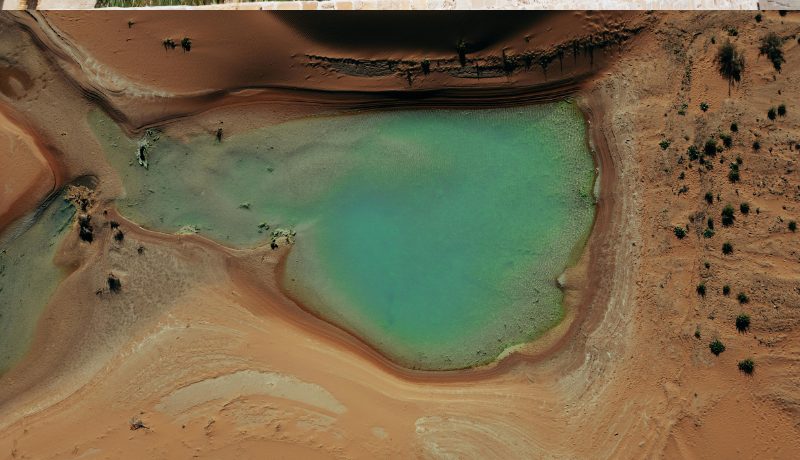
- 3pm: stop at a cold freshwater lake ringed by reeds, and a patch of desert scattered with fossil shells, left from when this was sea floor.
- 3.30–5pm: sandboarding on a long slope (boards and wax provided).
- Sunset: a soak in the Bir Wahed hot spring, then tea on a dune crest.
- Around 7pm: back in town, sometimes after a simple dinner at a desert camp.
Times shift with the season: in October and April, everything starts an hour later to avoid the heat.
What is Bir Wahed?
Bir Wahed is a hot spring that fills a small pool among the dunes, and it is the reward at the end of most Siwa safaris. The water is warm, slightly sulphurous and comes up from a well, collecting in a shallow basin edged with reeds and palms. Sitting in it while the dunes turn red at sunset, with the cold air starting to bite, is one of the best moments in any Egypt trip.
Wear a swimsuit under your clothes (women usually swim in a T-shirt and leggings, as at the town springs), bring a towel and a warm layer for the drive back, and avoid putting your head under. There are no changing rooms. For a cooler swim closer to town, see Cleopatra's Spring.
Can you sandboard or camp in the dunes?
Yes to both: sandboarding is part of most half-day safaris, and many operators can set up an overnight camp among the dunes. The boarding is relaxed and suits beginners; our sandboarding in Egypt guide covers technique, the best slopes and safety with children.
An overnight trip goes deeper, often 50 km or more into the dunes, with dinner cooked over a fire, mattresses and blankets under the stars, and a sunrise over the ridges with no one else in sight. It is more remote than the better-known White Desert camps; our desert camping guide explains what to expect and what to pack, and our Siwa vs the White Desert comparison helps if you only have time for one desert.
Do you need a permit, and is it safe?
Yes, a desert permit is needed to go beyond the oasis, and you pass through checkpoints on the way; a licensed Siwa operator arranges this, usually with copies of your passport a day in advance. Longer trips and the overland route east to Bahariya need further permits, which can take weeks and are not always granted. Requirements change, so treat any rule here as correct only at the time of writing.
Siwa is near Egypt's border with Libya, and government travel advice for the Western Desert and border areas can differ from advice for the Nile Valley. Read the current advice from Smartraveller (Australia) or SafeTravel (New Zealand) before you book, check your travel insurance covers where you are going, and see our is Egypt safe? guide. Use an operator with well-maintained vehicles and, for overnight trips, two vehicles and satellite communication.
When to go and what to bring
October to April is the season: days of about 20–28°C, and nights that can drop close to freezing in December and January. From May to September the dunes are dangerously hot in the middle of the day, and safaris run only in the last hours of light. March and April can bring khamsin winds that whip up sandstorms and cancel trips.
Bring sunglasses, a hat, a scarf to cover your face in wind, closed shoes or sandals you can empty of sand, a swimsuit and towel for Bir Wahed, a warm jacket for the return, and a zip bag for your phone and camera. Most safaris supply water and tea, but carry an extra litre of your own.
Great Sand Sea: FAQs
How far is the Great Sand Sea from Siwa?
The first large dunes begin just south of the oasis, about 30 minutes from Siwa town by 4WD.
Do I need a permit for the Great Sand Sea?
Yes. Trips beyond the oasis need a desert permit and pass checkpoints. A licensed operator arranges it, usually with your passport details a day ahead.
Is Bir Wahed hot?
Yes, it is a warm, slightly sulphurous spring pool in the dunes, usually visited at sunset at the end of a half-day safari.
Can you drive across the Great Sand Sea?
Only on specialist multi-day expeditions with special permits, which are not always granted. Visitors from Siwa explore the northern edge on half-day, full-day or overnight trips.
Which tour includes a Great Sand Sea safari?
Our Ultimate Egypt 21-day tour includes an afternoon in the Great Sand Sea with sandboarding and a hot spring.