Quick answer
Egypt's biggest recent openings are the Grand Egyptian Museum at Giza, fully open since 1 November 2025 with Tutankhamun's complete collection, and the National Museum of Egyptian Civilization in Fustat, home of the royal mummies since April 2021. Luxor's Avenue of Sphinxes reopened in November 2021 and several regional museums and restored monuments have followed, while new metro and high-speed rail lines are still being built, so don't plan around them yet.
What has changed for visitors in recent years?
Egypt has rehoused its greatest treasures: Tutankhamun's collection is now at the Grand Egyptian Museum beside the pyramids, the royal mummies are at the National Museum of Egyptian Civilization in Fustat, and the old Egyptian Museum in Tahrir Square remains open with much of its historic collection. This is the biggest change to a Cairo visit in a century. Where a first-timer once spent a morning at Tahrir and an afternoon at Giza, the essentials now take three days: Giza and the GEM, the NMEC with Coptic Cairo, and Saqqara or Islamic Cairo.
Alongside the museums, Egypt has reopened Luxor's ancient processional road, restored synagogues, palaces and temples, built small museums in beach resorts and started enormous infrastructure projects. Some of these change your trip today; others are years from completion. This guide separates the two. Dates for things that have already opened are given precisely; anything still in progress is hedged, because timelines for large projects in Egypt often move.
The Grand Egyptian Museum
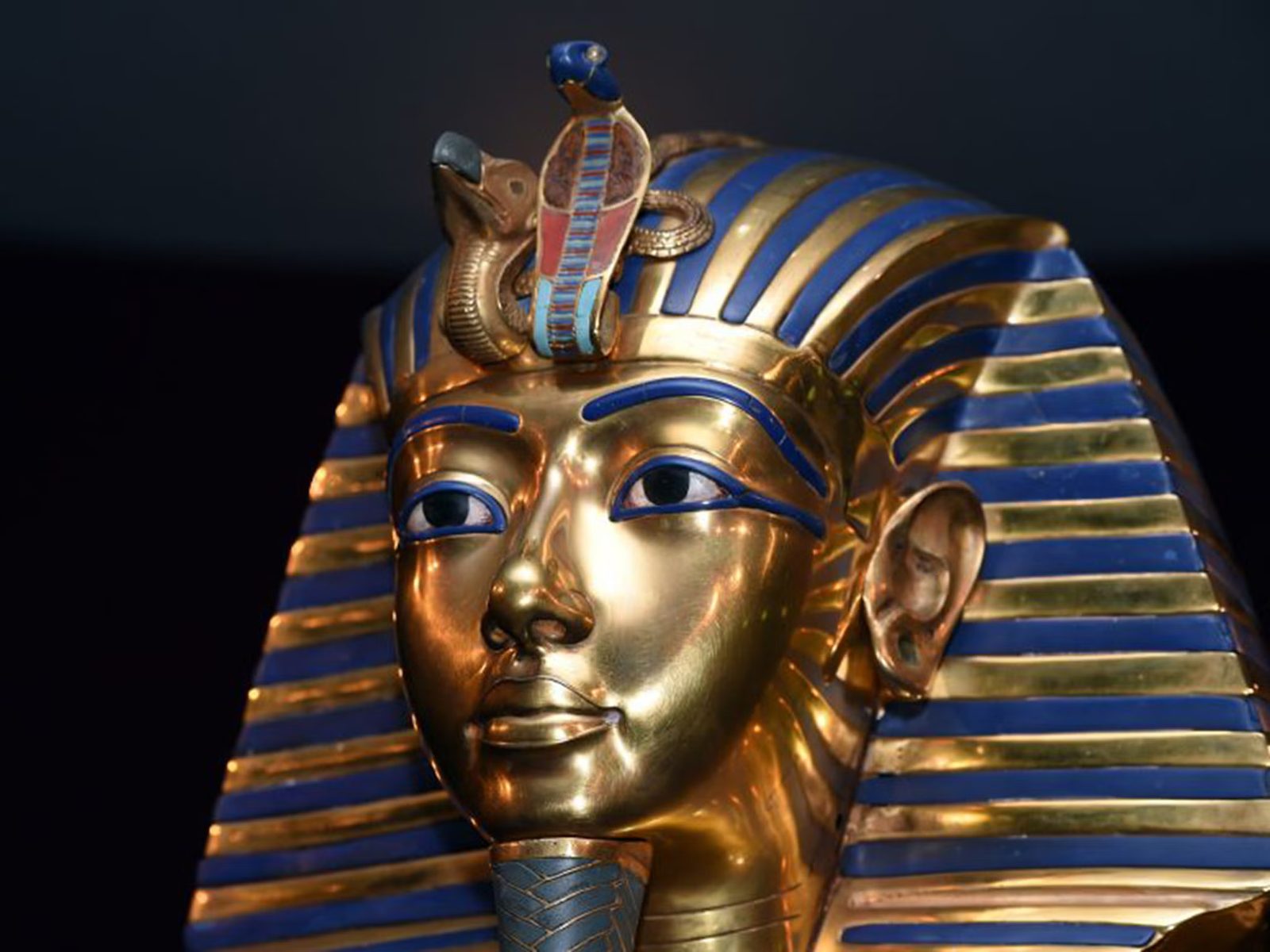
The Grand Egyptian Museum (GEM), about 2 km from the Giza pyramids, officially opened in full on 1 November 2025, after more than two decades of planning and several years of partial and trial openings. It is the largest museum in the world devoted to a single civilisation. The headline is Tutankhamun's complete burial collection, more than 5,000 objects displayed together for the first time, including the gold mask. Add the 11-metre statue of Ramesses II in the atrium, the Grand Staircase lined with royal sculpture and Khufu's 4,500-year-old cedar boat in its own building.
For planning: allow at least four to five hours, book timed tickets through the official channel, and pair it with the pyramids on the same or the following day. Our Grand Egyptian Museum guide covers galleries, timings and tips.
The National Museum of Egyptian Civilization
The National Museum of Egyptian Civilization (NMEC) in Fustat, Old Cairo, holds 22 royal mummies, including Ramesses II, Seti I and Hatshepsut, which arrived in the televised Pharaohs' Golden Parade on 3 April 2021. The museum opened in stages from 2017, and the parade, with each king and queen carried on its own gold-decorated vehicle along the Nile Corniche from Tahrir, made it a must-see. The Royal Mummies Hall is set underground in low light, and above it a main gallery traces Egyptian civilisation from prehistory to the present. Allow two to three hours and combine it with Coptic Cairo, ten minutes away. See our NMEC guide.
Luxor and the Nile Valley: reopened and restored
Luxor's Avenue of Sphinxes, the 2.7 km processional road between Karnak and Luxor Temple, reopened on 25 November 2021 after excavations that began in 1949, and several temples in the Nile Valley now show colour that was hidden for centuries. You can walk all or part of the Avenue of Sphinxes, ideally early in the morning or at dusk. At Esna, an Egyptian–German team has spent years removing soot and grime from the ceiling and columns of the Temple of Khnum, revealing vivid painted decoration that most earlier visitors never saw; our Esna Temple guide explains what to look for.
In the Valley of the Kings, which tombs are open changes from season to season as the authorities rotate them to limit damage, and occasionally a newly restored tomb opens to the public. Check current openings shortly before you travel, or let your Egyptologist plan the selection on the day.
Other new and restored museums worth knowing
Beyond the headline openings, several smaller museums and monuments have opened or reopened, and they are worth a slot if they fit your route.
- Museum of Islamic Art, Cairo: reopened in 2017 after being damaged by a car bomb aimed at a police headquarters across the street in 2014; one of the world's great collections of Islamic art. Allow two hours.
- Baron Empain Palace, Heliopolis: the Hindu-temple-inspired mansion of the Belgian founder of Heliopolis, restored and reopened in 2020 with an exhibition on the suburb's history.
- Hurghada and Sharm el-Sheikh museums: two small antiquities museums opened in the resorts around 2020, useful for beach-based travellers who can't reach Cairo or Luxor.
- Eliyahu Hanavi Synagogue, Alexandria: restored and reopened in 2020.
- Graeco-Roman Museum, Alexandria: reopened in 2023 after a restoration that kept it closed for more than a decade.
- The Egyptian Museum, Tahrir Square: still open and quieter than before, with the Narmer Palette, Old Kingdom statuary and the Tanis treasures.
Opening hours and ticketing at all of these change; check egymonuments.gov.eg or ask us before you go.
Getting around: the Giza plateau, airports and new transport
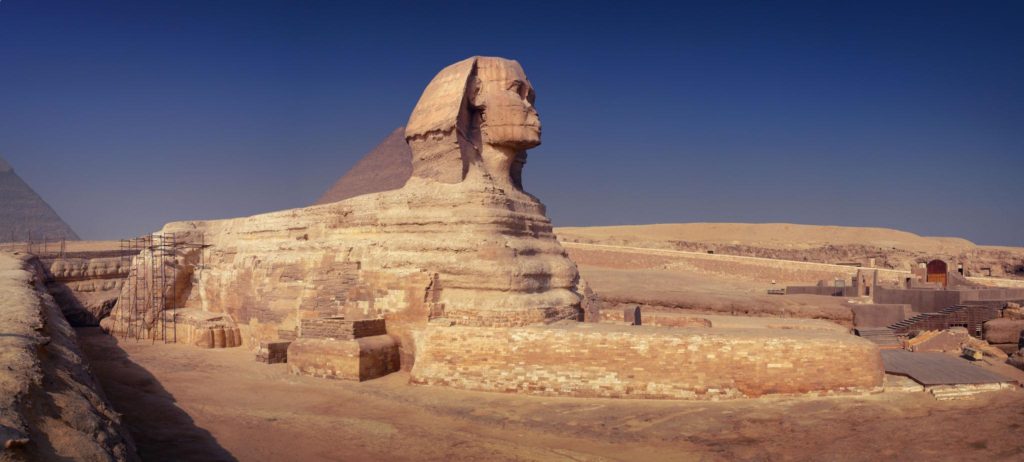
Visitor arrangements on the Giza plateau and Cairo's transport network are both changing, but only some of the changes are complete, so treat new routes as a bonus rather than a plan. At Giza, the authorities have introduced a new visitor entrance and centre on the desert side of the plateau, with electric shuttle buses between the main viewpoints and less private traffic among the monuments. These arrangements have been phased in and adjusted, so your guide will know how the day works at the time you visit. Our Pyramids of Giza guide has the current basics.
Sphinx International Airport, west of Giza, is the closest airport to the pyramids and the GEM, though most international flights from the Gulf still use Cairo International; routes change, so check when booking. In the city, the metro has been extended in stages, and a new line intended to serve Giza and the GEM area is under construction. A monorail and a national high-speed rail network, linking the Red Sea, Cairo, Alexandria and eventually Upper Egypt, are also being built. At the time of writing none of these new lines is something we would plan a trip around; when they open, we will update our itineraries.
The New Administrative Capital and other big projects
Egypt's New Administrative Capital, about 45 km east of central Cairo, is a purpose-built city where government ministries began moving from 2023; it is interesting for anyone curious about modern Egypt but not a sight for most first-time visitors. Its landmarks include the Iconic Tower, built as Africa's tallest building, the Cathedral of the Nativity of Christ and the Al-Fattah Al-Aleem Mosque, both inaugurated in 2019 and among the largest of their kind in the region. A half-day visit with a driver is possible for those interested in architecture, but access to buildings varies.
On the Mediterranean coast, the new city of New Alamein has towers, resorts and a corniche aimed mainly at Egyptian summer holidaymakers, and it sits close to the war cemeteries at El Alamein that many Australians and New Zealanders visit. These projects say a lot about where Egypt is heading, but they don't replace the ancient sites at the heart of an itinerary.
What's open, what's coming and should you plan around it?
Plan around what is already open, the GEM, the NMEC, Tahrir and the Avenue of Sphinxes, and treat everything under construction as a bonus if it happens to open before you travel.
| Project | Where | Status at the time of writing | Plan around it? |
|---|---|---|---|
| Grand Egyptian Museum | Giza | Fully open since 1 November 2025 | Yes: essential |
| NMEC Royal Mummies Hall | Fustat, Old Cairo | Open since April 2021 | Yes |
| Egyptian Museum, Tahrir | Downtown Cairo | Open | Optional for enthusiasts |
| Avenue of Sphinxes | Luxor | Open since November 2021 | Yes: an easy addition |
| Giza plateau visitor changes | Giza | Introduced in phases; details change | Let your guide handle it |
| Metro line to the Giza/GEM area | Cairo | Under construction | No |
| High-speed rail and monorail | Cairo and beyond | Under construction or in testing | No |
| New Administrative Capital | East of Cairo | Government district in use; visitor access limited | Only for special interest |
The practical upshot for Australians planning a trip: allow three full days in Cairo, as in our Cairo in three days itinerary, book GEM tickets in advance, and confirm any recently announced opening close to departure.
Frequently asked questions
When did the Grand Egyptian Museum open?
The Grand Egyptian Museum officially opened in full on 1 November 2025, including Tutankhamun's complete collection and Khufu's solar boat. Parts of the museum had opened for trial visits in the years before.
Where are the royal mummies now?
At the National Museum of Egyptian Civilization (NMEC) in Fustat, Old Cairo. Twenty-two royal mummies, including Ramesses II and Hatshepsut, moved there from Tahrir in the Pharaohs' Golden Parade on 3 April 2021. Tutankhamun's own mummy remains in his tomb in the Valley of the Kings.
Is the Egyptian Museum in Tahrir Square closed?
No. It remains open with tens of thousands of objects, including the Narmer Palette and Old Kingdom masterpieces. Tutankhamun's treasures have moved to the GEM and the royal mummies to the NMEC, so it is now a quieter visit for enthusiasts.
Can you take the Cairo metro to the pyramids?
Not directly at the time of writing. A new metro line intended to serve Giza and the GEM area is under construction, but it is not something to plan around yet. Use a private driver, Uber or Careem to reach the pyramids and the GEM.
How many days do you need in Cairo now?
Three full days is the sensible minimum: one for the Giza pyramids and the GEM, one for the NMEC and Coptic Cairo plus Islamic Cairo, and one for Saqqara and Dahshur or more time in the museums.