Quick answer
If you visit only one museum in Cairo, make it the Grand Egyptian Museum: it holds Tutankhamun's complete collection, the colossal Ramesses II and Khufu's solar boat, and it sits 2 km from the pyramids. The old Egyptian Museum in Tahrir Square is still open and still superb, with the Narmer Palette and the Tanis treasures, so add it if you have an extra half day and a real interest in Egyptology.
What changed between the two museums?
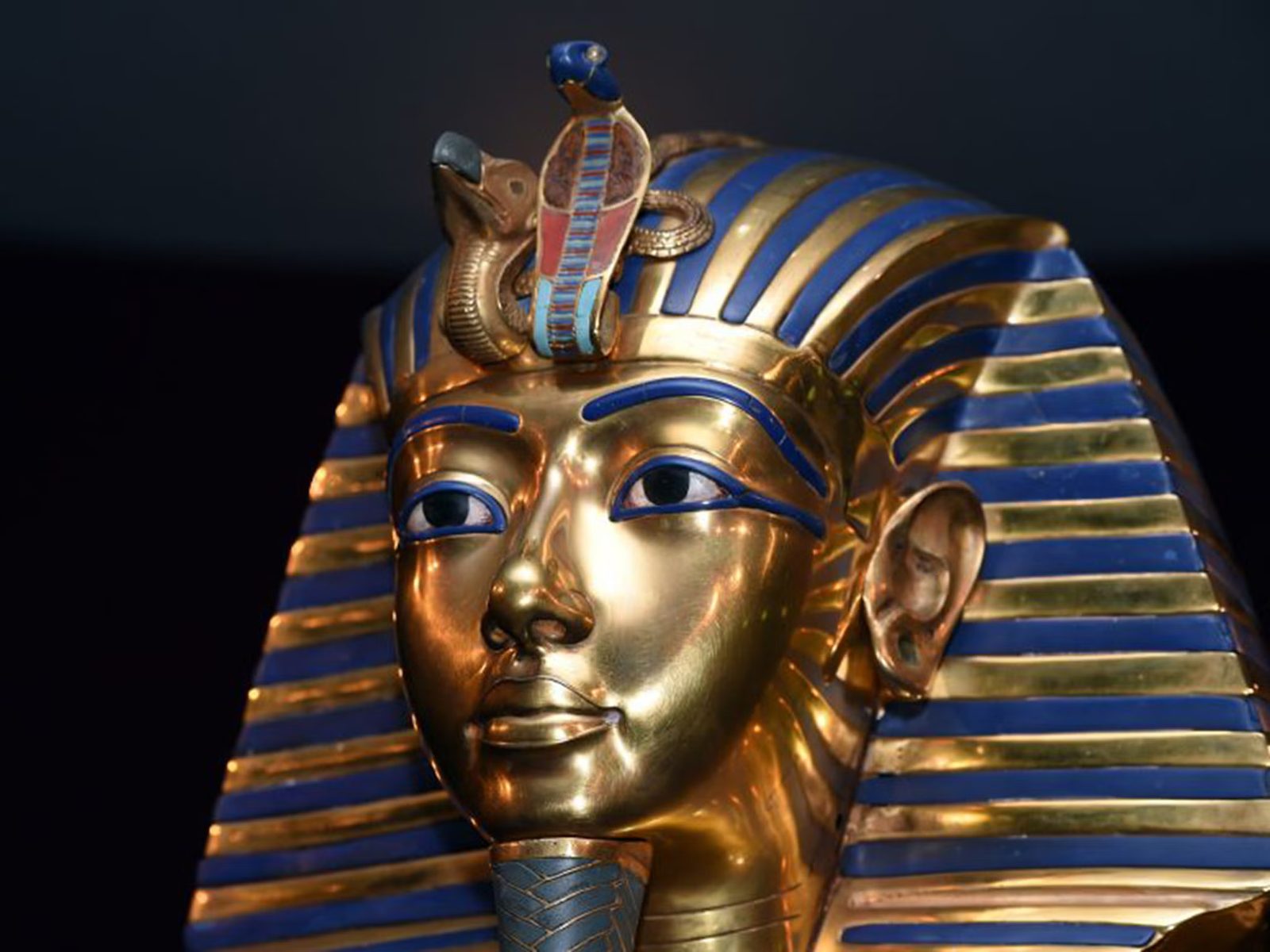
The greatest treasures moved: Tutankhamun went to the Grand Egyptian Museum, which opened in full on 1 November 2025, and the royal mummies went to the National Museum of Egyptian Civilization in 2021. For more than a century the Egyptian Museum on Tahrir Square was where every visitor saw the boy king's gold mask. Today the mask, the gold coffins, the shrines and the chariots are displayed together at the GEM for the first time since Howard Carter's discovery in 1922.
The 22 royal mummies, including Ramesses II and Hatshepsut, moved in the Pharaohs' Golden Parade of April 2021 to the National Museum of Egyptian Civilization in Fustat, so neither of the museums on this page has them. Tahrir has been reorganised but remains open, holding one of the largest collections of Egyptian antiquities in the world. The question is no longer which museum has the famous pieces, but whether the old one is worth your time as well.
GEM vs Tahrir: how they compare
The GEM is the essential, modern, all-day museum; Tahrir is the atmospheric, quieter connoisseur's choice.
| Grand Egyptian Museum | Egyptian Museum, Tahrir | |
|---|---|---|
| Location | Edge of the Giza plateau, about 2 km from the pyramids | Tahrir Square, downtown Cairo; Sadat metro station |
| Opened | In full on 1 November 2025 | 1902 |
| Headline exhibits | Tutankhamun's complete collection; Ramesses II colossus; Grand Staircase; Khufu's solar boat | Narmer Palette; Tanis gold; Yuya and Thuya's funerary goods; Old Kingdom statuary |
| Display style | Modern galleries, chronological and thematic; huge atrium | Early 20th-century cases and layout; part of the charm |
| Crowds | Busy, especially in the Tutankhamun galleries | Much quieter than before 2025 |
| Time needed | 4–5 hours minimum; a full day for enthusiasts | 2–3 hours; half a day for both floors |
| Facilities | Restaurants and cafes, some with pyramid views; children's museum; lifts and ramps | Basic; not every gallery fully climate-controlled |
| Pairs well with | The Giza pyramids | Downtown, Islamic Cairo and Khan el-Khalili |
What can you only see at the GEM?
Tutankhamun's entire burial assemblage of more than 5,000 objects, plus the museum's monumental showpieces. The two Tutankhamun halls hold the gold mask and innermost coffin, the golden throne, the ceremonial chariots, the guardian statues from the burial chamber and the canopic shrine; allow 1.5–2 hours there alone, and go first thing or late in the afternoon to avoid the peak crowd.
Elsewhere, the 11-metre granite statue of Ramesses II greets you in the atrium, the six-storey Grand Staircase climbs past around 60 royal statues to a window framing the pyramids, and Khufu's 4,500-year-old cedar solar boat, found beside the Great Pyramid in 1954, has its own building. The main galleries run from prehistory to the Graeco-Roman period, and many pieces have come out of storerooms and regional museums for the first time. Our Grand Egyptian Museum guide has a suggested route.
What is still worth seeing at Tahrir?
Masterpieces that many visitors now walk past: the Narmer Palette, the gold of Tanis and rooms of Old Kingdom statuary, in a building that is itself a piece of history. The Narmer Palette, carved around 3100 BC, shows a king of Upper Egypt triumphant over his enemies and is often called one of the first historical documents in the world. The Tanis treasures, the gold and silver masks, coffins and jewellery of Twenty-first and Twenty-second Dynasty kings, rival Tutankhamun's for craftsmanship and are seen by a fraction of the visitors.
Add the funerary goods of Yuya and Thuya, the parents of Queen Tiye, found in the Valley of the Kings in 1905, plus papyri, coffins and everyday objects. The salmon-pink building, designed by Marcel Dourgnon, has Auguste Mariette buried in its front garden. Transfers and loans are continuing, though, so if one particular object is your reason for going, check where it is now. Exact displays change, so treat any list, including this one, as a guide rather than a guarantee.
Can you do both in one day?
You can, but we rarely recommend it: they are on opposite sides of a congested city and each deserves fresh legs. The GEM is about 5–15 minutes from Giza hotels, while Tahrir is 45–90 minutes from Giza depending on traffic and 10–20 minutes from hotels in Zamalek or Garden City. Seeing both on one day means at least seven hours of museum time plus a long cross-city drive.
Better pairings use geography. Put the GEM on your pyramids day, or give it a relaxed morning of its own the day after Giza. Put Tahrir on a downtown day, followed by a short taxi ride to Islamic Cairo and an evening in Khan el-Khalili. If you also want the royal mummies, pair the NMEC with Coptic Cairo, about ten minutes away. Our Cairo in three days plan shows the full sequence.
Practical differences: tickets, guides and timing
Buy both tickets through official channels, go early, and take a guide to the GEM in particular, because its sheer size defeats a first-time visitor on their own. GEM prices for foreign visitors are set in Egyptian pounds and have changed several times since opening; at the time of writing, check the official GEM website and book a timed entry where offered, especially in peak season. Separate tickets may apply to some areas. Tahrir's tickets are sold at the entrance and, at the time of writing, online through egymonuments.gov.eg.
Weekday mornings are quietest at both. Personal photography without flash has generally been allowed in each, but rules change, so confirm on arrival. The GEM is modern and accessible, with lifts alongside the Grand Staircase; Tahrir has stairs, older facilities and some warm galleries in summer.
If you are weighing a third museum, the NMEC in Fustat is the one to consider. Its underground Royal Mummies Hall holds 18 kings and 4 queens, and a main gallery tells Egypt's story from prehistory to the present; allow two to three hours and combine it with Coptic Cairo. For most travellers the order of priority is the GEM first, then the NMEC for the mummies, then Tahrir for depth.
Which should you choose?
Choose the GEM if you have time for one museum; add Tahrir if you have an extra half day and genuine curiosity about ancient Egypt.
- First-time visitors: the GEM, on or beside your pyramids day.
- Short stopovers: the GEM and Giza together, with nothing else.
- History lovers and repeat visitors: both, plus the NMEC for the royal mummies.
- Families: the GEM, for Tutankhamun's gold, space to move and the children's museum.
- Travellers with limited mobility: the GEM, with lifts and ramps throughout.
- Crowd-averse travellers: Tahrir is now one of Cairo's calmer major sights; at the GEM, arrive at opening.
- Lovers of old museums: Tahrir, for its wooden cases and century-old atmosphere.
Our Cairo itineraries include the GEM with a private Egyptologist, from the Cairo and Pyramids stopover to the Luxury Egypt journey, and we can add Tahrir on request. For the pyramids themselves, see Giza vs Saqqara vs Dahshur.
Frequently asked questions
Is Tutankhamun's mask in the Egyptian Museum or the GEM?
The Grand Egyptian Museum. The gold mask and Tutankhamun's complete collection moved there and are displayed together in its dedicated galleries; the museum opened in full on 1 November 2025.
Is the old Egyptian Museum in Tahrir still open?
Yes, at the time of writing it is open daily, with treasures such as the Narmer Palette and the Tanis gold. Check current hours and prices on egymonuments.gov.eg.
Where are the royal mummies now?
At the National Museum of Egyptian Civilization (NMEC) in Fustat, Old Cairo, which received them in the Pharaohs' Golden Parade in April 2021. Tutankhamun's own mummy remains in his tomb in the Valley of the Kings.
How long do I need at each museum?
At least 4–5 hours at the GEM, including 1.5–2 hours with Tutankhamun, and 2–3 hours for a guided visit of Tahrir's highlights.
Which museum is better for children?
The GEM, for its space, modern displays, Tutankhamun's gold and a dedicated children's museum. Tahrir suits older children with a strong interest in ancient Egypt.