Quick answer
Christmas and New Year are Egypt's busiest fortnight: 25 December is a normal working day for most Egyptians, but hotels and Nile ships celebrate with trees and gala dinners, New Year's Eve is the bigger party, and Coptic Christmas follows on 7 January. The weather is ideal for sightseeing, so book cruises and signature hotels about a year ahead and budget for compulsory festive supplements.
Is Egypt a good place to spend Christmas and New Year?
Yes, if you want warm, dry sightseeing days over the Australian summer break and accept that the fortnight from about 20 December to early January is Egypt's busiest and most expensive of the year. Days are around 21°C in Cairo and 24–25°C in Luxor and Aswan, which makes long walks through Karnak or the Valley of the Kings genuinely pleasant, and the evenings are cool enough for a jacket on deck.
The festive season in Egypt is a blend of three calendars. Most Egyptians are Muslim and work as usual on 25 December; most Egyptian Christians are Copts who celebrate Christmas on 7 January; and the international hotels, Nile ships and Red Sea resorts put on a full Western Christmas and a big New Year's Eve for their guests. Stay from late December into January and you see all three.
It suits families tied to the summer school holidays and anyone using the end-of-year work shutdown. It suits less well travellers who dislike crowds or want value: the first half of December and the middle of January have the same weather for less. The Egypt in December and Egypt in January guides cover those weeks and the month-by-month weather in detail.
What happens on Christmas Eve and Christmas Day?
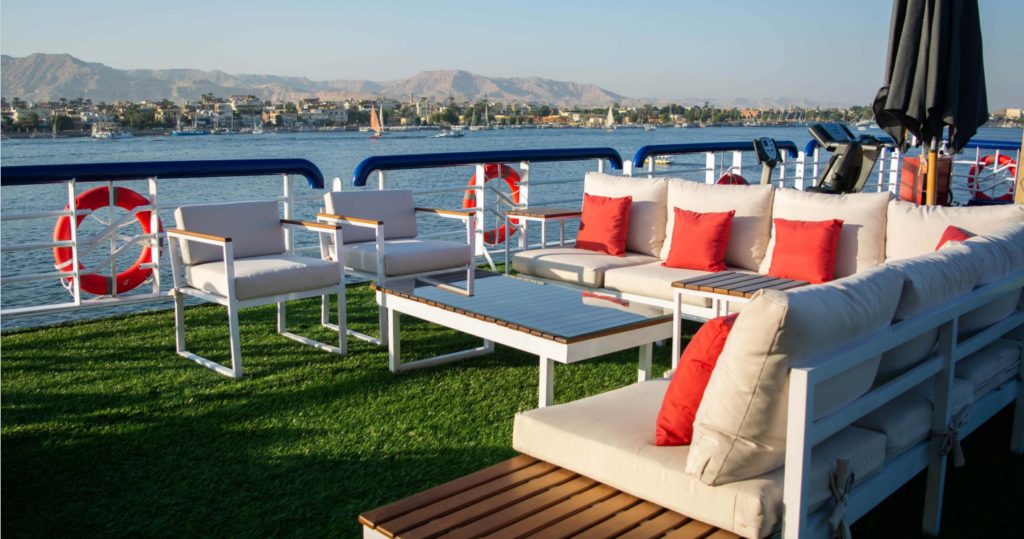
Christmas in Egypt's tourist hotels and on its Nile ships is a Western-style celebration, usually centred on a gala dinner on the evening of 24 December, while the streets outside carry on as normal. Cairo's big hotels put up trees and lights in their lobbies from early December, and many ships and resorts add carols, a visit from Father Christmas for children and a turkey-and-pudding menu adapted for local kitchens.
Because 25 December is not a public holiday, every monument, museum and market opens as usual. That has an upside: you can spend Christmas morning in Tutankhamun's galleries at the Grand Egyptian Museum or on Luxor's West Bank and still be back for lunch. Expect the headline sites to be busy, since many visitors have the same idea; start at opening time.
If you would like to attend a service, Cairo's Catholic churches and the Anglican All Saints' Cathedral in Zamalek hold Christmas services, as do some churches in Alexandria; check times with the church or your guide before you go, and expect a bag check at the gate, which is normal at Egyptian churches. Your Coptic guide or driver will probably be partway through the 43-day Nativity Fast, which ends on 6 January, and may be eating vegan meals over your Christmas lunch.
Where should you be on New Year's Eve?
New Year's Eve is a bigger night than Christmas in Egypt, and the choice is between a gala dinner on the Nile, a grand hotel in Cairo or Luxor, a beach party on the Red Sea or a quiet, very cold night in the desert. Each has a different feel and a different catch.
| Where | What it's like | Watch out for |
|---|---|---|
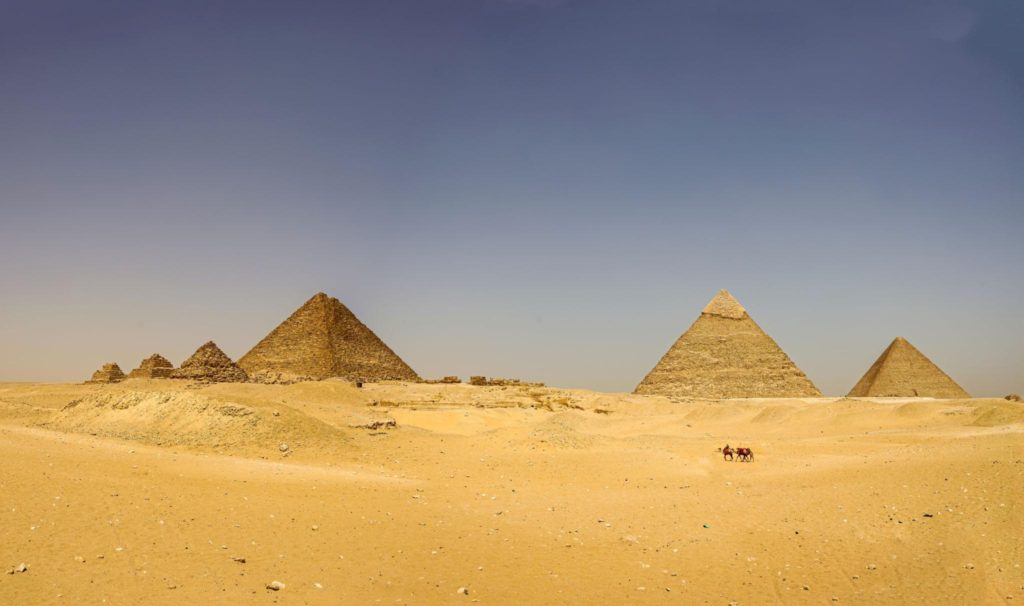
| Cairo or Giza hotel | Formal gala dinners, live music; pyramid-view terraces at Giza | Gridlocked traffic near the Nile and Zamalek after 10pm |
| Nile cruise ship | Gala dinner and party on board, wherever the ship is moored that night | A compulsory supplement on many ships |
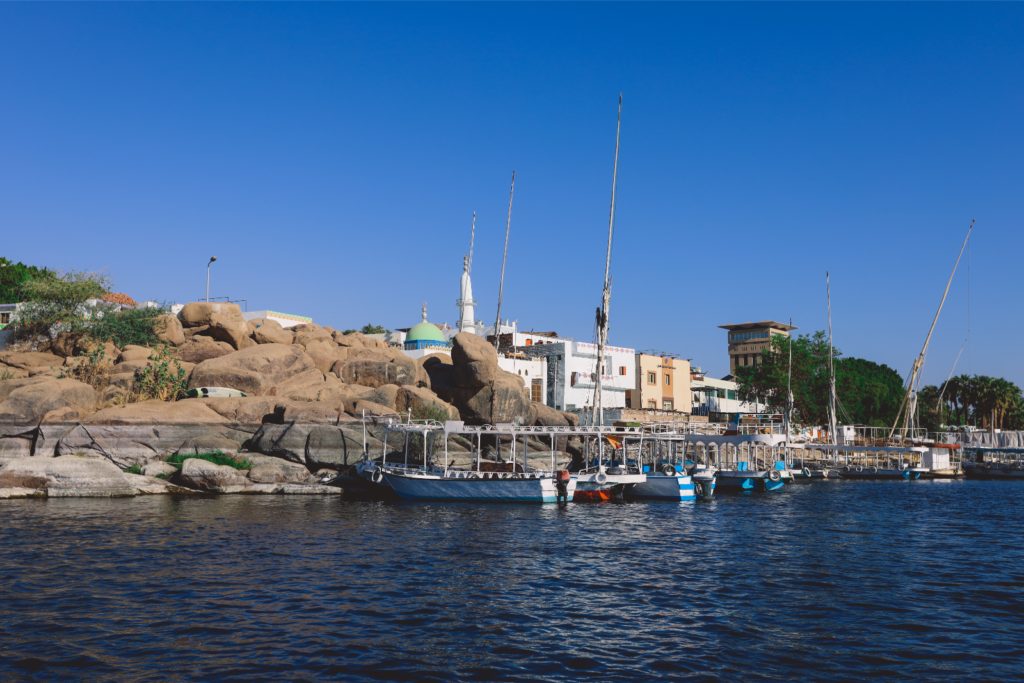
| Luxor or Aswan hotel | Historic hotels such as the Winter Palace and the Old Cataract host dressy dinners by the river | Minimum-stay rules over the holiday at some properties |
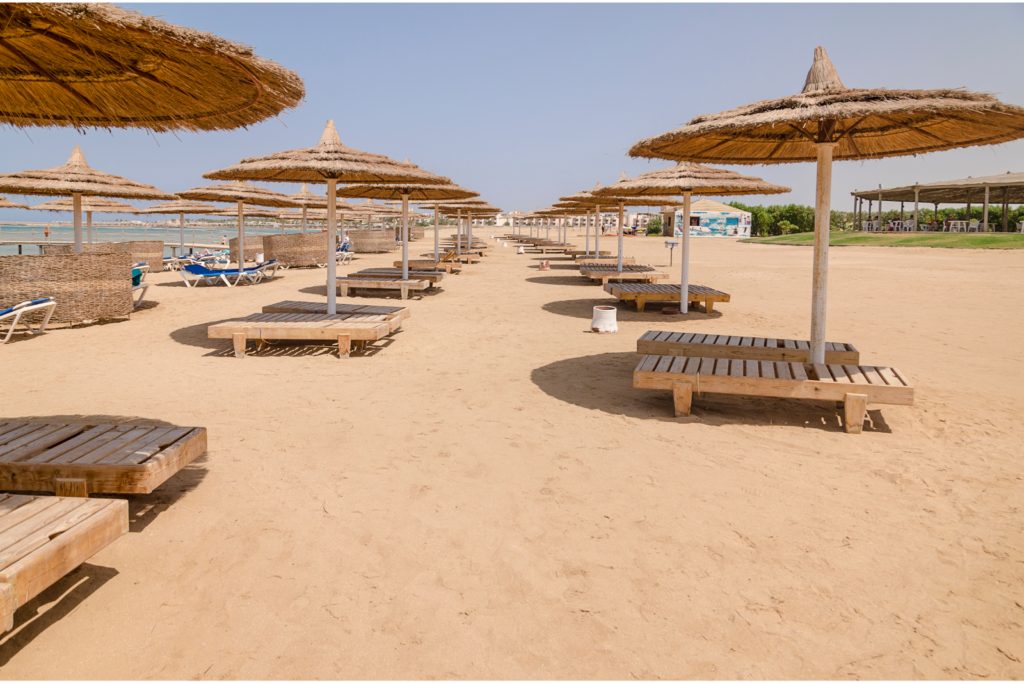
| Red Sea resort | The liveliest parties, especially in El Gouna, Hurghada and Sharm el-Sheikh | Sea around 22–23°C and breezy evenings; peak beach rates |
| White Desert camp | A campfire, Bedouin dinner and an extraordinary sky | Nights near freezing; no fireworks or bar |
For Australians and New Zealanders there is a bonus: Egypt is behind you. With Egypt on winter time (UTC+2) and Sydney on daylight saving, midnight in Sydney is 3pm in Cairo, so you can watch the Harbour Bridge fireworks over a late lunch. Auckland's midnight is 1pm in Egypt, Brisbane's 4pm and Perth's 6pm.
How does Coptic Christmas on 7 January fit in?
Coptic Christmas is Egypt's national Christmas holiday, falling on 7 January, so a trip that runs from late December into the first week of January takes in both Christmases. The Coptic Orthodox Church follows the old Julian calendar, and its main liturgy runs late into the night of 6 January, after which families break the Nativity Fast with meat, fattah and kahk biscuits.
On 7 January banks and government offices close, but the pyramids, temples and museums open as normal. Churches in Coptic Cairo are busy, and visitors who dress modestly are generally welcome at services. Our Coptic Christmas in Egypt guide explains the traditions and how to attend respectfully.
New Year's Day itself is quieter than in Australia. It has usually been a day off for banks and some government offices in recent years, but shops and all the sights open; check the official holiday list for your year if you have banking or paperwork to do.
What does the festive season cost, and why?
Christmas and New Year are priced as the top of Egypt's high season, and on top of peak room and cabin rates you should expect compulsory gala dinner supplements and stricter booking conditions. We don't quote prices here, because they vary by ship, hotel and exchange rate, but it helps to know where the extra cost comes from.
- Gala dinners: many Nile ships and hotels charge a compulsory supplement for Christmas Eve, Christmas Day and New Year's Eve, whether or not you attend. Ask for it to be included in your quote.
- Minimum stays: some Red Sea and Luxor hotels require a stay of several nights across 31 December, which can reshape an itinerary.
- Flights from Australia: departures in the week before Christmas and returns in mid to late January are among the most expensive of the year via Dubai, Doha and Abu Dhabi. See flights from Australia to Egypt.
- Cancellation terms: deposits are often larger and cancellation windows longer for festive dates, so buy travel insurance when you pay the deposit.
The cheapest way to have an Egyptian Christmas is to shift by a week: leave Australia around 26 December and you miss the Christmas supplements but still catch New Year and Coptic Christmas, or travel from about 8 January when festive rates drop away.
What should you book first for a festive trip?
Book in order of scarcity: your Nile ship first, then the historic hotels, then flights, then everything else. About 12 months ahead is not too early for the festive fortnight; the December guide has a full countdown.
- The Nile ship or dahabiya. Cruises leave on fixed days of the week, so the ship's departure day decides the shape of the whole trip. Small luxury ships and dahabiyas with a handful of cabins go first.
- Signature hotels. The Marriott Mena House at Giza, the Sofitel Legend Old Cataract in Aswan and the Sofitel Winter Palace in Luxor fill early over Christmas and New Year.
- International flights. Lock in your preferred dates and carrier as soon as schedules open.
- Domestic flights and Abu Simbel. Cairo to Luxor and Aswan flights are busy with Egyptian holidaymakers as well as visitors.
- Extras. A Luxor balloon flight, a New Year's Eve dinner off the ship and any special tomb visits can be arranged nearer the time.
What does a festive-season itinerary look like?
A good festive trip puts Christmas on the Nile and New Year by the sea, which spreads the two big nights across the places that celebrate them best. This 14-day example assumes a ship leaving Luxor on 24 December; real dates depend on your vessel's departure day.
- 21–23 December, Cairo: arrive and rest, then Giza and the Grand Egyptian Museum, and Saqqara with an evening in Khan el-Khalili.
- 24 December: fly to Luxor (about 1 hour 10 minutes), board a four-night cruise, see Karnak in the afternoon, then the Christmas Eve gala on board.
- 25 December: the Valley of the Kings and Hatshepsut's temple on Christmas morning, then sail south.
- 26–27 December: Esna, Edfu and Kom Ombo on the way to Aswan.
- 28–29 December, Aswan: disembark, Philae Temple and a sunset felucca, then Abu Simbel.
- 30 December: fly to the Red Sea, usually connecting in Cairo.
- 31 December–2 January: New Year's Eve and beach days in El Gouna or Hurghada.
- 3 January: fly to Cairo and connect home.
Our Egypt and Red Sea journey follows a similar route, and the Nile cruise guide explains how ships and departure days work.
Frequently asked questions
Is Christmas celebrated in Egypt?
Yes, in two ways. Tourist hotels and Nile ships celebrate on 25 December, which is a normal working day in Egypt, and Egypt's Coptic Christians celebrate on 7 January, which is a national public holiday.
Is New Year's Day a public holiday in Egypt?
It has usually been a day off for banks and some government offices in recent years, but shops, museums and archaeological sites open as normal. Check the official holiday list for your year.
What time is midnight in Australia when you are in Egypt?
Over New Year, Egypt is 9 hours behind Sydney, Melbourne and Canberra, so their midnight is 3pm in Cairo. Brisbane's midnight is 4pm, Perth's 6pm and Auckland's 1pm.
Do Nile cruises run over Christmas and New Year?
Yes, and they are among the most popular departures of the year. Most ships hold gala dinners on 24 and 31 December, often with a compulsory supplement, so book about a year ahead.
Can you swim in the Red Sea at New Year?
Yes, but the water is around 22–23°C and evenings are breezy, so most Australians wear a wetsuit or rash vest for snorkelling. Hotel pools are sometimes heated; ask when you book.