Quick answer
With 3 days in Egypt, most people should stay in Cairo: Giza and the Grand Egyptian Museum, Saqqara and Dahshur, and Islamic Cairo, with no flights or hotel changes. If ancient temples matter more than rest, spend two days in Cairo and fly to Luxor for one night. A Nile cruise, Aswan and Abu Simbel need at least five or six days.
Is 3 days enough for Egypt?
Three days is enough for Cairo's ancient and medieval highlights, or for a fast taste of Cairo and Luxor, but not for the Nile journey that most people picture when they think of Egypt. It is the right length for a stopover on the way to or from Europe, an add-on to a Jordan or Gulf trip, or a first look before you return for the full route.
From Australia, three days in Egypt is rarely worth the 20–26 hour journey on its own; if this is your only Egypt trip, stretch to five days (see Egypt in 5 days) or more. If you are already passing through Cairo, three days is time well spent, and far more satisfying than a Cairo layover dash to the pyramids.
The decision is between depth and range. Staying in Cairo gives you three full sightseeing days with no packing; adding Luxor gives you the Valley of the Kings and Karnak at the cost of two flights and a hotel change.
Option 1: three days in Cairo
Three days in Cairo lets you follow the pyramids from their beginnings at Saqqara to Giza, spend a proper afternoon at the Grand Egyptian Museum and walk the medieval city, all from one hotel. It is the calmer choice, the better one if you are jet-lagged, and it misses less than you might think: Cairo and its pyramid fields hold Egypt's oldest monuments and its greatest museum.
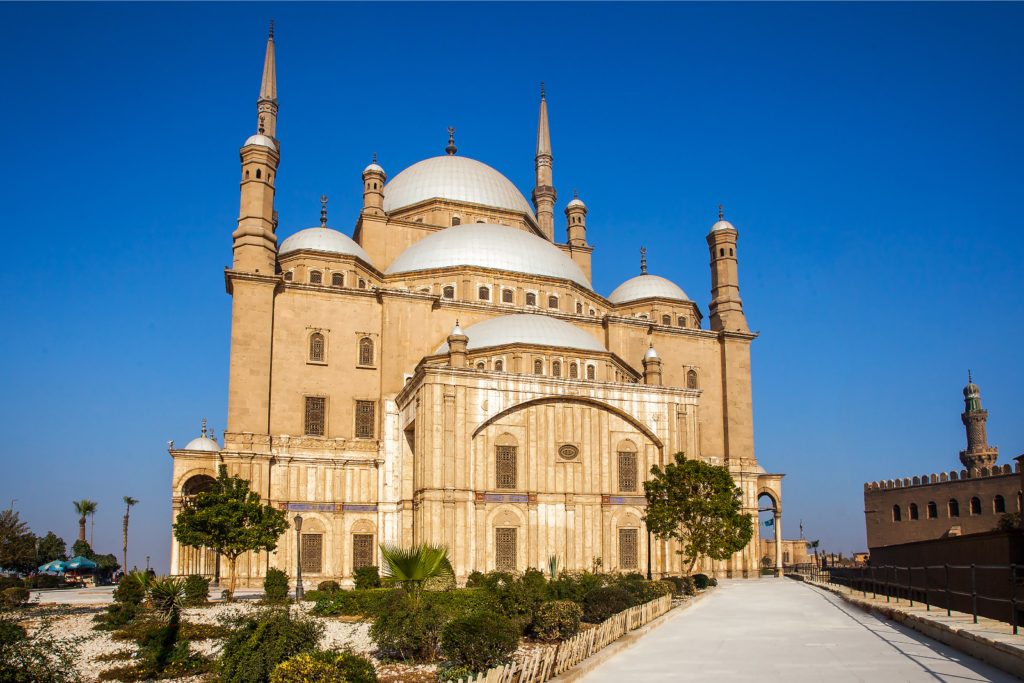
The shape is one day each for Saqqara, Memphis and Dahshur; Giza and the GEM; and Islamic Cairo from the Mosque of Ibn Tulun to Khan el-Khalili. Our Cairo in three days guide sets it out hour by hour, with swaps such as Coptic Cairo, the royal mummies at the National Museum of Egyptian Civilization or a day trip to Alexandria. The Cairo and pyramids stopover packages the same idea with a private guide and driver.
Option 2: Cairo and Luxor in three days, hour by hour
This plan gives Giza and the museum a full first day, flies you to Luxor on the morning of day two for both banks of the Nile, and returns you to Cairo by mid-afternoon on day three. It assumes three nights: two in Cairo and one in Luxor, or arrival the evening before day one. Flight and opening times vary by season, so treat these as a guide.
Day 1: Giza and the Grand Egyptian Museum
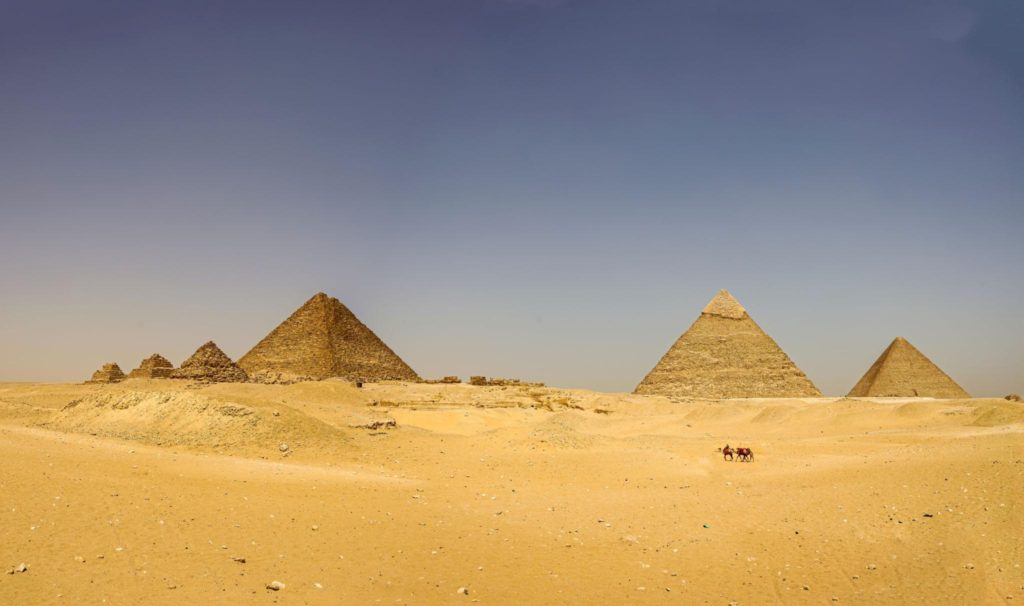
- 7.45am: at the Giza plateau for opening; the Great Pyramid, the panoramic viewpoint, the Sphinx and the Valley Temple of Khafre.
- 12pm: lunch near the plateau.
- 1.30–5pm: the Grand Egyptian Museum, about 2 km away: the Grand Staircase, the Tutankhamun galleries and Khufu's boat.
- Evening: an early night; tomorrow starts before dawn.
Day 2: Luxor, both banks
- Early morning: fly Cairo to Luxor, about 1 hour 10 minutes; leave Giza about two hours before departure.
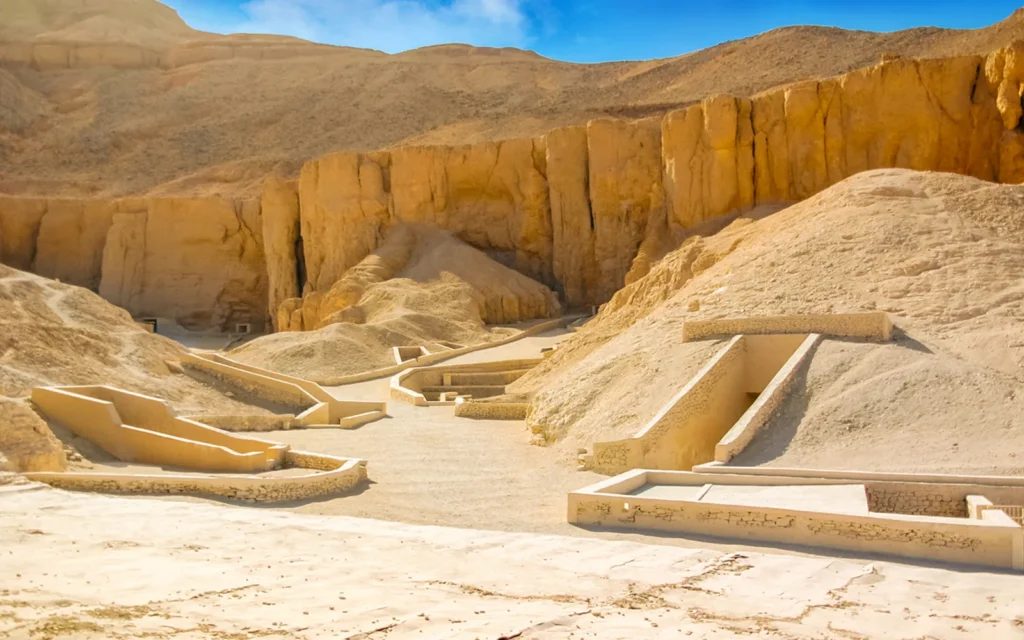
- 9.30am–1pm: the West Bank: three tombs in the Valley of the Kings, Hatshepsut's temple at Deir el-Bahari and the Colossi of Memnon.
- 1–4pm: lunch and a rest at your East Bank hotel.
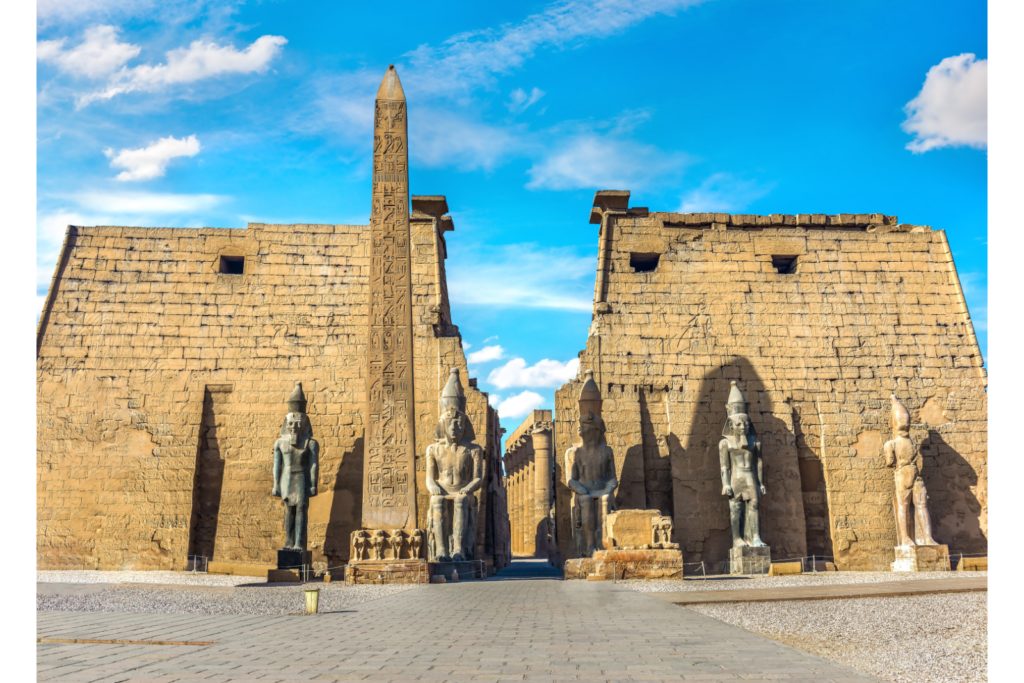
- 4–6.30pm: Karnak in the late light, then Luxor Temple floodlit after dark.
Day 3: a Luxor morning, then Cairo
- 5am (optional): a balloon flight over the West Bank, back by about 8.30am.
- Mid-morning: the Luxor Museum or Medinet Habu, depending on your flight.
- Midday: fly back to Cairo. With an afternoon to spare, visit Khan el-Khalili or Coptic Cairo; otherwise transfer to your international flight, leaving at least three hours after landing.
If one day in Luxor sounds right, the Luxor in one day guide explains how to fit it in more detail.
Which three-day option should you choose?
Choose Cairo only if this is a stopover or you want an unhurried trip; choose Cairo and Luxor if you may never return and the Valley of the Kings is the image you have in your head.
| Cairo only | Cairo and Luxor (one night) | Cairo plus a Luxor day trip | |
|---|---|---|---|
| Flights | None | Two domestic | Two domestic, same day |
| Hotel changes | None | Two | None |
| What you see | Giza, GEM, Saqqara, Dahshur, Islamic Cairo | Giza, GEM, Luxor's West and East Banks | Giza, GEM, Saqqara, a rushed Luxor |
| Pace | Comfortable | Brisk | One very long day |
| Best for | Stopovers, repeat visitors, jet-lagged travellers | First and possibly only visits | Travellers who can't change hotels |
Our verdict: the one-night Luxor version is the better of the two Luxor options, because it gives you the West Bank in the morning and Karnak at dusk rather than both at midday.
What can't you do in three days?
Three days can't include a Nile cruise, Aswan or Abu Simbel without turning the trip into a string of airports, and the Red Sea is a holiday of its own. The shortest regular Nile cruise is three nights from Aswan to Luxor, which with Cairo needs about six days; Abu Simbel lies far to the south, near the Sudanese border, and is best seen from Aswan.
The step up is clear. Five days adds a second night in Luxor or swaps Luxor for Aswan and Abu Simbel; seven days fits a short cruise; ten to fourteen days is the full classic route of Cairo, a four-night cruise, Abu Simbel and perhaps the Red Sea. If you have more days than leave, see seeing Egypt with limited leave.
Should the three days come at the start or end of a longer trip?
If Egypt is a stopover, put it on the way out rather than the way home: you see the pyramids with fresher legs, and any delay in Cairo doesn't put your flight home at risk. Cairo is about two hours' flight from Athens and Istanbul, about three from Rome and about an hour and a half from Amman, so three days in Egypt slots neatly in front of a European holiday or a Jordan trip.
Finishing in Egypt works too if your ticket home routes via Dubai, Doha or Abu Dhabi, as the Gulf carriers fly from Cairo every day. In that case keep the last day light and stay near the airport or in Heliopolis if your flight leaves in the small hours.
One caution for European summer trips: June to August is Egypt's hottest season. Cairo is around 34–35°C, and Luxor passes 40°C, so on a summer stopover keep the outdoor sites to early mornings and late afternoons, and spend the middle of the day in the Grand Egyptian Museum's air-conditioned galleries.
How do you make three days count?
On a short trip, logistics are where time is lost, so remove every one you can before you land.
- Arrive in the morning if you have the choice; a late-night landing costs you a sightseeing day.
- Stay in Giza, a few minutes from both the pyramids and the GEM, rather than downtown.
- Sort your visa ahead through the official portal, visa2egypt.gov.eg, so arrival is quicker; rules and fees change, so check at the time of booking.
- Use a private guide and driver. They handle tickets and queues, and adjust the order of sites to dodge coach crowds.
- Mind Fridays: mosques close to sightseers during midday prayers, so put Islamic Cairo on another day, or start it in the afternoon.
- Choose the season: from October to April the plans above are comfortable; from May to September, shift outdoor sites to early morning and late afternoon.
Frequently asked questions
Is 3 days in Egypt worth it?
Yes as a stopover or add-on: three days covers Cairo's pyramids, the Grand Egyptian Museum and the old city, or a quick Cairo and Luxor. As a stand-alone trip from Australia, five days or more is better value for the journey.
Can you see Cairo and Luxor in 3 days?
Yes, by flying. Spend day one at Giza and the Grand Egyptian Museum, fly to Luxor early on day two for the West Bank and Karnak, and fly back on day three. The flight takes about 1 hour 10 minutes.
Can I do a Nile cruise in 3 days?
Not with Cairo as well. The shortest regular cruise is three nights from Aswan to Luxor, so a trip that includes Cairo and a cruise needs about six days.
Where should I stay for 3 days in Egypt?
In Giza, close to the pyramids and the Grand Egyptian Museum. If you add Luxor, stay on the East Bank, near Karnak and Luxor Temple.
Is one day enough for the pyramids and the Grand Egyptian Museum?
Yes: the pyramids and the Sphinx in the morning and the museum in the afternoon is a full but realistic day, as they are only about 2 km apart.