Quick answer
Egypt is hot and almost rainless, but its climate varies sharply by region: the Mediterranean coast is mild with winter rain, Cairo is hot and hazy in summer, Luxor and Aswan are the hottest and driest places most travellers visit, the Red Sea is tempered by sea breezes, and the desert oases swing from over 35°C by day in summer to near freezing on winter nights. October to April suits everywhere except the beach, which is best from April to November.
How does Egypt's climate change from north to south?
Egypt gets hotter and drier the further south you travel and the further you move from the sea: Alexandria is the mildest and wettest place, Cairo sits in the middle, and Luxor, Aswan and Abu Simbel are the hottest. Almost the whole country has a hot desert climate with a mild winter from November to March and a long, hot summer from May to September. Luxor and Aswan typically run 3–6°C warmer than Cairo by day, while the coasts are cooler in summer and milder at night thanks to the sea.
Rain is a northern affair. Alexandria receives most of Egypt's rainfall, mainly in winter storms; Cairo gets only a handful of showery days a year; and Aswan is one of the driest inhabited places on earth, often going years without meaningful rain. The other big variable is the gap between day and night. In the dry air of Upper Egypt and the deserts, temperatures can fall 15–20°C between mid-afternoon and dawn, which is why a winter balloon flight over Luxor or a night in the White Desert needs a warm jacket. Our best time to visit Egypt guide turns these patterns into travel advice.
Egypt temperatures by region and month
The table shows typical average daytime highs and night-time lows in °C for Egypt's main travel regions, plus Red Sea water temperature. Figures are rounded long-term averages; individual days vary and heatwaves happen.
| Month | Cairo (high / low) | Luxor and Aswan (high / low) | Alexandria (high / low) | Red Sea, Hurghada (air high / water) | Siwa and the oases (high / low) |
|---|---|---|---|---|---|
| January | 19 / 9 | 23–24 / 6–9 | 18 / 9 | 21–22 / 22 | 19 / 4 |
| February | 21 / 10 | 26 / 8–10 | 19 / 10 | 22–23 / 21–22 | 21 / 6 |
| March | 24 / 12 | 30 / 12–14 | 21 / 11 | 24–25 / 22 | 25 / 9 |
| April | 28 / 15 | 35 / 17–19 | 24 / 14 | 28 / 23–24 | 29 / 13 |
| May | 32 / 18 | 39–40 / 21–23 | 26 / 17 | 31 / 25 | 33 / 17 |
| June | 34 / 20 | 41–42 / 24–25 | 29 / 21 | 33 / 26–27 | 36 / 19 |
| July | 35 / 22 | 41–42 / 24–26 | 30 / 23 | 34 / 27–28 | 37 / 21 |
| August | 35 / 22 | 41 / 24–26 | 31 / 23 | 34 / 28–29 | 37 / 21 |
| September | 33 / 21 | 38–39 / 22–24 | 30 / 22 | 32 / 28 | 34 / 18 |
| October | 30 / 18 | 35 / 18–21 | 27 / 18 | 30 / 26–27 | 30 / 14 |
| November | 25 / 14 | 29–30 / 12–15 | 24 / 14 | 26 / 24–26 | 25 / 9 |
| December | 21 / 10 | 24–25 / 8–10 | 20 / 11 | 23 / 22–23 | 20 / 5 |
Abu Simbel and Lake Nasser run a degree or two hotter than Aswan in summer. Dakhla and Kharga are similar to Siwa by day and often hotter in summer; open-desert camps away from the oasis floor can be colder at night than the oasis figures suggest.
Alexandria and the Mediterranean coast
The north coast is the only part of Egypt with a real rainy season: mild, changeable winters with storms between November and February, and warm, humid but breezy summers around 30°C. Alexandria's winter brings a few rainy days most months, sometimes heavy, plus rough seas when the winter storms the locals call nawwa sweep in; the Corniche is spectacular but swimming is off. In July and August the city and the resorts of the North Coast fill with Egyptian families escaping the heat of Cairo, so beaches and hotels are busy and prices rise. Spring (April to June) and autumn (September and October) are the most comfortable times for sightseeing and for the war cemeteries at El Alamein.
Cairo, Giza and the Delta
Cairo has warm-to-hot sunny weather most of the year, cool winter mornings, and summers around 34–35°C that feel heavier in August when humidity rises. Winter days around 19–21°C are perfect for Giza and Islamic Cairo, but mornings can be 9–10°C, so bring a layer for early starts at the pyramids. Rain is rare, and when it comes it can flood streets briefly because drainage is not built for it.
Two things reduce visibility. In spring, from about March to May, the khamsin can blow hot, sand-laden wind from the desert for a day or two, turning the sky yellow and hiding the pyramids. And Cairo's air pollution can leave a haze over the city, at its worst on still autumn and winter days. In summer, plan the Giza plateau for opening time and save the air-conditioned Grand Egyptian Museum for the afternoon.
Luxor, Aswan and Lake Nasser
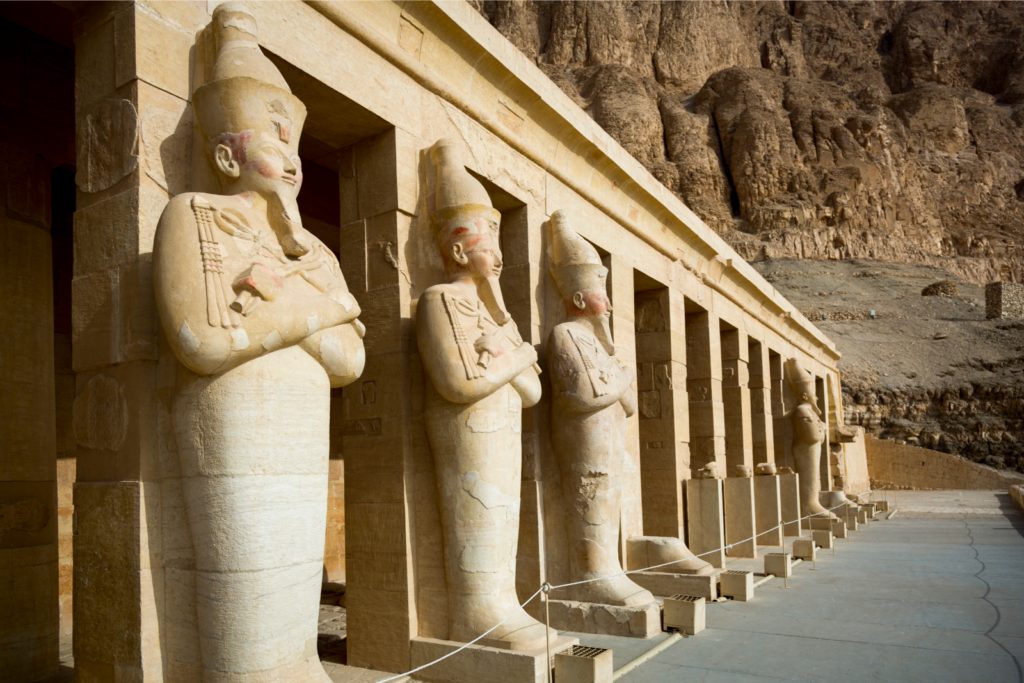
Upper Egypt has the most extreme climate travellers meet: glorious, dry winter days in the mid-20s and summer afternoons of 41–42°C, with Aswan and Abu Simbel the hottest of all. From November to February it is close to perfect, with cold early mornings, warm sunny days and virtually no rain. By April the south is hot by midday, and from May to September serious sightseeing happens between about 6am and 10am, with afternoons by the pool or on a shaded cruise deck. The heat is dry, which helps, but it is draining; our heat and sun safety guide explains how to manage it.
On the river itself, the breeze on deck makes Nile cruising more comfortable than the temperature suggests, but several dahabiyas stop sailing in the hottest months. Lake Nasser cruises run mainly in the cooler season for the same reason.
The Red Sea coast and South Sinai
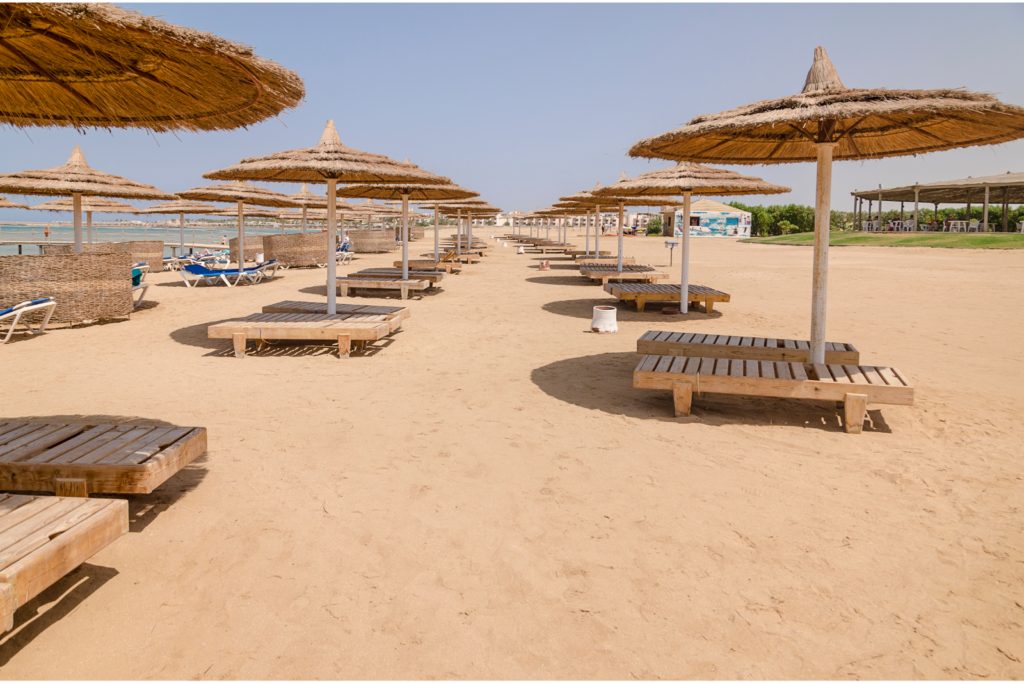
The Red Sea resorts are warm year-round and moderated by the sea and a near-constant northerly breeze, with winter days in the low 20s and summer days of 33–35°C. Hurghada, El Gouna and Soma Bay are some of the windiest places in Egypt, which makes them world-class for kitesurfing and also means winter evenings feel cool and boat days are sometimes cancelled. Water drops to about 21–23°C in February, when a 3–5 mm wetsuit helps, and peaks at 28–29°C in August and September. Further south, Marsa Alam is a little warmer in winter, and Sharm el-Sheikh, sheltered between the gulfs, is often slightly warmer than Hurghada.
Inland, the Sinai mountains have their own climate. St Catherine sits at about 1,600 metres, so winter nights fall below freezing and the peaks occasionally see snow, while summer walking is far cooler than on the coast. Rare winter storms over the mountains can send flash floods down desert wadis; if rain is forecast, follow local advice and stay out of dry riverbeds.
The Western Desert and the oases
The desert has the biggest swings of all: winter days of about 19–25°C and nights near freezing, and summer days that pass 40°C in the southern oases. Siwa, Bahariya, Dakhla and Kharga are best from October to April, with November and March the most comfortable. In December and January open-desert camps can drop to around 0°C before dawn, which is why our desert camping guide recommends a proper sleeping bag. Spring brings the risk of sandstorms, and from May to September long desert drives and walks become unpleasant and unsafe in the middle of the day. Read about each oasis in our guide to the oases of Egypt.
Which region is best in which month?
Plan the Nile and the deserts for the cooler months and the coasts for the warmer ones; late October, November and March are the only months when everything is good at once.
| Region | Best months | Shoulder | Hardest months |
|---|---|---|---|
| Cairo and Giza | October to April | May, September | June to August: heat, humid in August |
| Luxor, Aswan, Abu Simbel | November to March | October, April | May to September: 39–42°C |
| Alexandria and the north coast | April to June, September to October | March, November | December to February: storms and rough seas |
| Red Sea and South Sinai coast | April to June, September to November | March, December | July and August on land; January and February for cool water |
| Sinai mountains | March to May, September to November | October to April with cold nights | December to February: frost and possible snow |
| Western Desert and oases | October to April; November and March ideal | Late September, early May | May to September: 35–40°C+ |
For Australians, the seasons are reversed: a Christmas or January trip brings perfect Nile weather but cool Red Sea water, while a July school-holiday trip suits a beach-heavy plan with early-morning sightseeing. Our Egypt in winter vs summer comparison goes further, and the month guides, such as Egypt in November, cover crowds and events.
Frequently asked questions
Does it rain in Egypt?
Very little. Alexandria and the Mediterranean coast get most of the country's rain, mainly from November to February. Cairo sees only a handful of showery days a year, and Luxor and Aswan can go years without meaningful rain.
Which part of Egypt is the hottest?
Upper Egypt: Aswan, Abu Simbel and Lake Nasser, closely followed by Luxor and the southern oases of Dakhla and Kharga. Daytime highs of 41–42°C are normal from June to August, and heatwaves go higher.
Is the Red Sea warm enough to swim in winter?
Yes for most people, with a wetsuit. The water is about 21–23°C from January to March, cooler than summer's 28–29°C but warmer than many Australian beaches in winter. The air on windy afternoons is what feels cool.
Does it get cold in Egypt?
Yes, at night and early in the morning in winter. Cairo mornings drop to about 9–10°C in January, Luxor and Aswan to 6–9°C, and desert camps and the Sinai mountains can reach freezing. Days are still sunny and mild.
What is the khamsin?
A hot, dry, dusty wind from the south or south-west that can blow for a day or more, mostly between March and May. It raises temperatures sharply, fills the air with sand and can disrupt flights and boat trips. It usually passes within a day or two.