Quick answer
Egypt's winter (roughly November to February) is the best season for sightseeing, with Luxor and Aswan around 23–30°C, but it is the busiest and most expensive time. Summer (June to August) brings 41–42°C in Luxor and Aswan, quieter sites, lower prices and the warmest Red Sea, so it suits beach-focused trips and dawn sightseers. For Australians, Egypt's winter is our summer.
Is it better to visit Egypt in winter or summer?
Winter is better for almost every kind of Egypt trip that centres on the pyramids, Luxor and a Nile cruise; summer is better only if your trip is mostly beach and you are happy to sightsee at dawn.
Egypt barely rains, so the choice is about heat, crowds and price. In winter (roughly November to February), Luxor and Aswan sit around 23–30°C by day, which is ideal for walking around Karnak or the Valley of the Kings. In summer (June to August), they reach 41–42°C, and by late morning the temples are punishing. The Red Sea flips the picture: its water is warmest in summer and coolest in winter.
For Australians and New Zealanders there is a twist: Egypt's winter is our summer. Christmas and January holidays line up with Egypt's best weather, and the July school holidays line up with its hottest. Our best time to visit Egypt guide covers the full year; here we compare just the two extremes.
Winter vs summer in Egypt at a glance
Winter wins on comfort; summer wins on price, quiet sites and sea temperature.
| Winter (November–February) | Summer (June–August) | |
|---|---|---|
| Cairo, daytime | About 19–25°C | About 34–35°C, humid in August |
| Luxor and Aswan, daytime | About 23–30°C | About 41–42°C |
| Nights | Cool, 6–15°C; near freezing in the desert | Warm, 20–26°C |
| Red Sea water | About 21–23°C | About 27–29°C |
| Daylight | About 10–11 hours | About 14 hours |
| Crowds | High; peak around Christmas and New Year | Low at the temples; busy coastal resorts |
| Prices | Highest, especially for cruises and top hotels | Lowest of the year for many hotels and cruises |
| Dahabiyas and Lake Nasser | Full programme | Many dahabiyas pause; some lake ships reduce departures |
| Desert trips | Excellent | Not recommended |
| Best for | Sightseeing, cruising, seniors, photographers | Beach and diving holidays, value seekers |
Temperatures are typical averages; heatwaves and cold snaps happen.
What is Egypt like in winter?
Winter brings the most comfortable sightseeing weather of the year, but also cold mornings, short days and the biggest crowds.
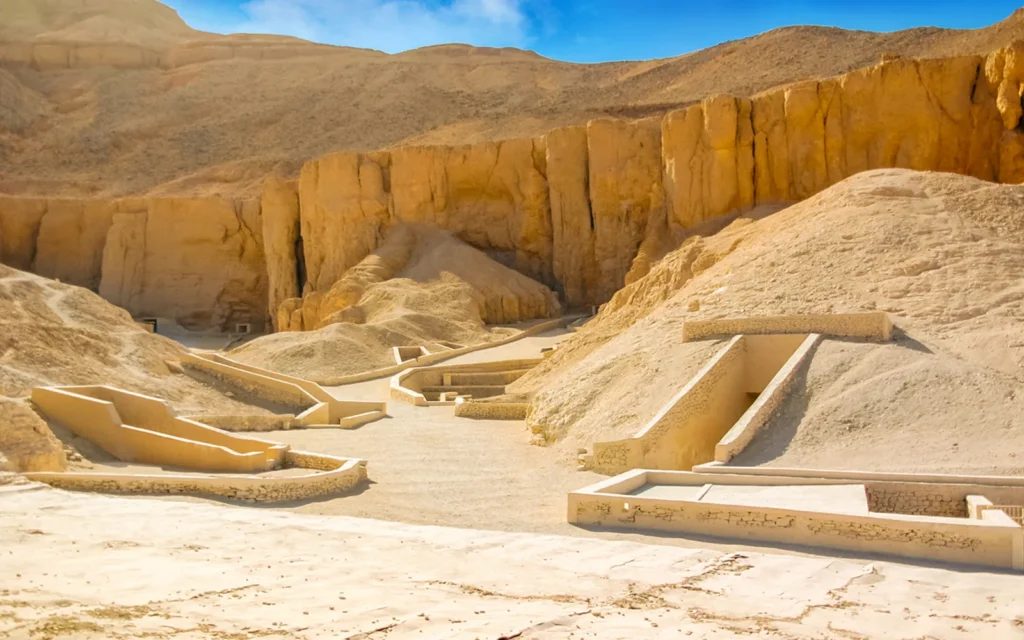
Days in Luxor and Aswan are warm and sunny, perfect for long visits to the Valley of the Kings or a whole morning at Karnak. Cairo is pleasant, if sometimes hazy. Nights are a surprise for many Australians: around 6–10°C in Luxor in January, colder on a dawn balloon flight, and close to freezing in the White Desert. Pack a warm jacket.
The days are short, with sunset around 5–5.30pm, which compresses sightseeing. Crowds peak from about 20 December to early January, when international and domestic holidaymakers overlap; luxury cruise ships, dahabiyas and hotels such as the Old Cataract sell out first, and New Year gala dinners are often compulsory supplements. Coptic Christmas on 7 January is a public holiday, so domestic travellers keep the first week of the year busy too. Book 9–12 months ahead for that period. Early December and February give the same weather with fewer people. Month detail is in our December and January guides.
Is Egypt too hot in summer?
Upper Egypt is very hot in summer, but it is manageable if you sightsee from dawn to late morning, rest through the afternoon and spend a good part of the trip on the coast.
The heat is dry, which helps, but 41–42°C at Luxor and Aswan is draining, and stone temples radiate heat by 11am. A workable summer day starts with a 6am pick-up, finishes outdoor sightseeing by about 10.30am, takes the hottest hours at the pool or in air-conditioned museums such as the Grand Egyptian Museum, then picks up again with a felucca or a temple at sunset. Luxor's hot-air balloons keep flying in summer, lifting off around dawn, the coolest hour of the day. Opening hours at some sites are adjusted seasonally, so check egymonuments.gov.eg or ask your guide.
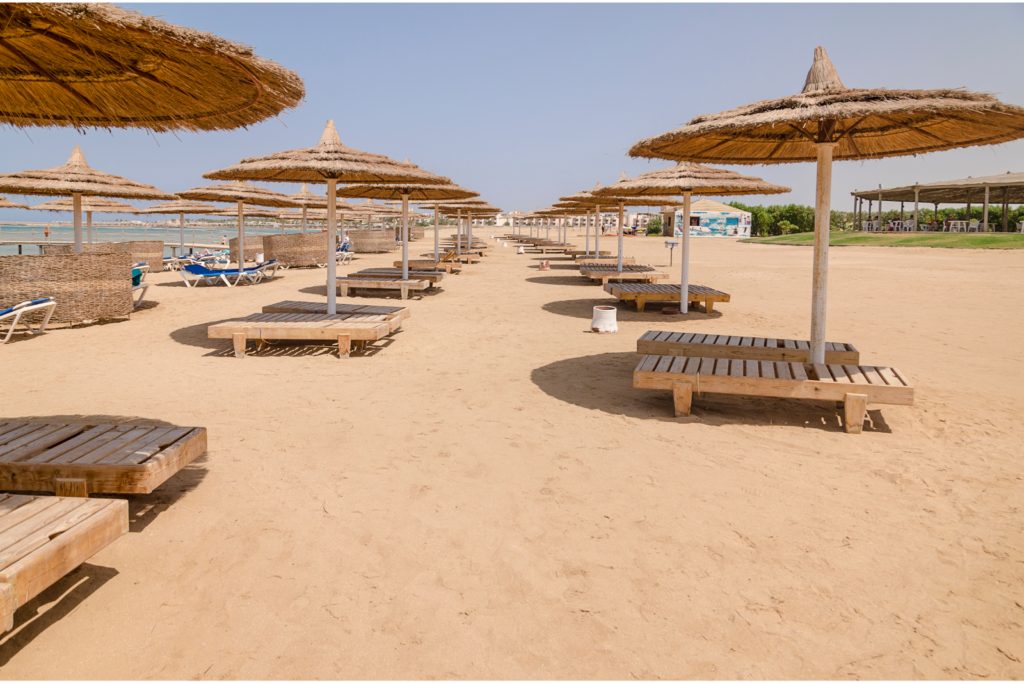
The rewards are real: the Valley of the Kings and Abu Simbel are far quieter, and prices for many hotels and cruise ships drop. The Red Sea is at its best, with water around 27–29°C, and Alexandria's sea breeze keeps it around 30°C. See our heat and sun safety guide before you go.
How do school holidays and airfares from Australia fit in?
Families tied to school holidays can choose between the December–January break, in Egypt's best weather but at peak prices, and the July break, in the heat but with quieter sites.
Airfares from Australia via the Gulf rise sharply around Christmas, New Year and the start of the July holidays, so book flights early in both cases. A December–January trip suits a full itinerary of Cairo, a Nile cruise and Aswan, with warm layers for the mornings. A July trip works best as a shorter Nile section, perhaps three nights in Cairo and a 3-night cruise, followed by a week on the Red Sea, as on our Egypt and Red Sea tour. Our school holidays guide compares each break, including the April and September–October holidays, which fall in Egypt's more forgiving shoulder seasons.
Check Ramadan dates too: because it moves about 11 days earlier each year, it falls in Egypt's winter in 2027, from around early February to early March. Sights stay open, but daily rhythms change; see travelling during Ramadan.
How should you plan differently for each season?
In winter, plan around crowds and short days; in summer, plan around the heat, with early starts, air-conditioned transport and a pool at every stop.
Winter planning:
- Book cruises, hotels and flights early, especially anything touching 20 December to early January.
- Pack layers: a warm jacket and beanie for dawn balloon flights, early drives to Abu Simbel and evenings on a cruise sun deck.
- Use the light well. With sunset around 5pm, start at opening time and save museums for the late afternoon.
- Expect the Red Sea to be sunny but fresh; many snorkellers are happy with a thin wetsuit in January and February.
Summer planning:
- Choose hotels and ships with good pools and shade; you will use them every afternoon.
- Pack loose, light, long-sleeved clothing, a wide-brimmed hat and electrolyte sachets, and carry water at every site.
- Fly rather than drive long distances where you can, for example to Abu Simbel.
- Leave desert camping and the White Desert for the cooler months; summer heat there is extreme.
Our Egypt packing list has season-by-season detail.
Winter or summer: which should you choose?
Choose winter for a classic sightseeing trip and summer for a beach-led holiday on a budget; if you can, choose neither and travel in the shoulder months.
- First-time visitors: winter, ideally early December or February to avoid the peak.
- Seniors and travellers who struggle in heat: winter, without question.
- Families on the summer school holidays: late December or January, booked early.
- Families on the July school holidays: summer, with a short Nile section and a long Red Sea stay.
- Divers and snorkellers: summer, for the warmest water; see diving in Egypt.
- Budget travellers: summer, or the edges of the season in May and September.
- Photographers: winter, for low golden light and clear desert air.
- Flexible travellers: late October to November, or March to April, which combine warm days with smaller crowds; see Egypt in November.
Frequently asked questions
What is the hottest month in Egypt?
July and August are the hottest, with Luxor and Aswan typically around 41–42°C by day. August is also Cairo's most humid month.
Is Egypt cold in winter?
Days are mild to warm, but nights and early mornings are cool, around 6–10°C in Luxor and Aswan in January, and colder in the desert. Pack a warm jacket.
Is summer a good time for a Nile cruise?
Cruise ships run in summer and prices fall, but temperatures above 40°C limit sightseeing to early mornings and evenings. Many dahabiyas don't sail in high summer.
When is Egypt cheapest to visit?
June to August is usually the cheapest period for hotels and cruises. Flights from Australia can still be expensive in the July school holidays.
Is winter or summer better for the Red Sea?
Summer, for swimming and diving, with water around 27–29°C. In winter the water drops to about 21–23°C and evenings are breezy, though days are sunny.