Quick answer
Two days in Cairo lets you see both halves of the city: day one in Giza for the Grand Egyptian Museum and the pyramids, day two in Old Cairo for the Coptic churches, the royal mummies at the NMEC, the Citadel and an evening in Khan el-Khalili. The trade-off is Saqqara and Dahshur, which you can swap in for the morning of day two.
Who is a two-day Cairo itinerary for?
Two days is the right amount for most first-time visitors who are flying on to Luxor or Aswan and want the ancient and the living city, without spending every waking hour in a car. It suits couples and families on a 10 to 14-day trip, travellers combining Cairo with a Nile cruise, and anyone who found the one-day plan too narrow.
This is not simply the one-day plan with a second day bolted on. With more time, the order changes: you see the Grand Egyptian Museum in the morning while you are fresh, and the pyramids in the softer, quieter late-afternoon light once the coach groups have gone. Day two then crosses the Nile to Old Cairo, where 2,000 years of Roman, Christian and Islamic history sit within a few kilometres, and the royal mummies tie the story back to the museum you saw on day one.
Day 1: the Grand Egyptian Museum, then the pyramids at golden hour
Spend the morning at the GEM from opening, have a long lunch, and walk the Giza plateau from mid-afternoon until it closes. This trades the cool of an early plateau visit for fewer crowds and better light, which in the cooler months from October to April is the right call.
- 8.45am: Leave your Giza hotel; the museum is 10–20 minutes away. Arrive for opening (9am at the time of writing; confirm on the official GEM site).
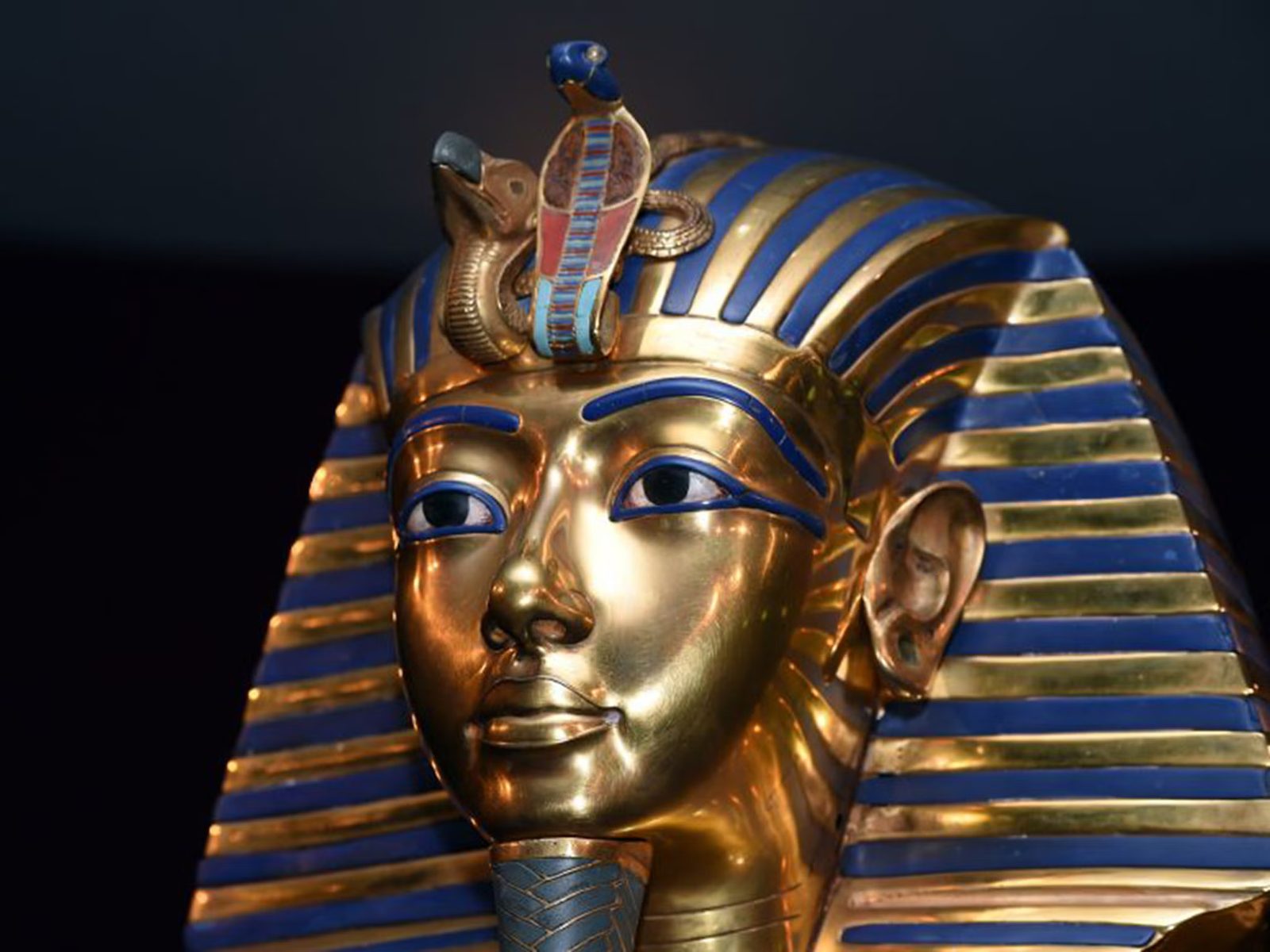
- 9.00am–1.00pm: The Grand Egyptian Museum. Go straight to the Tutankhamun galleries before they fill, then the Grand Staircase, the main chronological galleries and Khufu's Solar Boat.
- 1.00–2.30pm: Lunch at the museum or back at your hotel, and a rest.
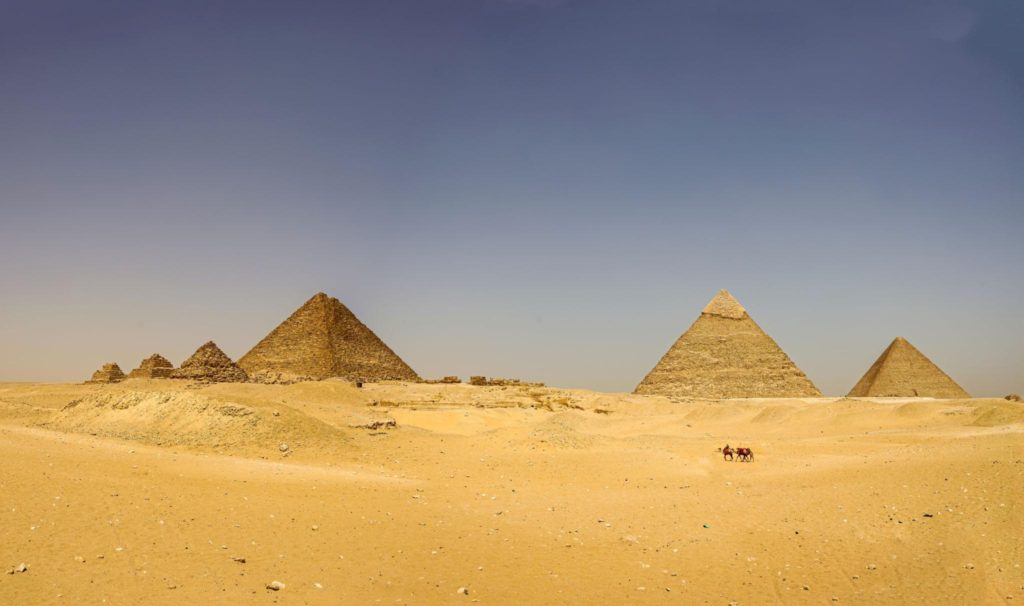
- 2.45pm: Enter the plateau. Start at the Sphinx and Valley Temple, then take the shuttle up to the pyramids of Khufu, Khafre and Menkaure.
- 4.30pm until closing: The panoramic viewpoint as the sun drops. Closing times move with the seasons, so check on the day; in winter the light goes by about 5pm.
- Evening: The sound and light show, or dinner overlooking the plateau.
In summer, flip the day: plateau at opening and the museum in the afternoon, as in the one-day plan. Mid-afternoon on the plateau in July can top 40°C.
Day 2: Coptic Cairo, the royal mummies and the medieval city
Day two moves east and north through Cairo's history in a single loop: Roman fortress and churches at 8.30am, pharaohs' mummies late morning, Mamluk and Ottoman mosques in the afternoon, and the bazaar at dusk.
| Time | Stop | Getting there |
|---|---|---|
| 8.00am | Leave Giza | 40–60 minutes to Old Cairo; 20–30 from downtown |
| 8.45–10.45am | Coptic Cairo: the Hanging Church, St Sergius, Ben Ezra Synagogue, the Coptic Museum | All within a few minutes' walk |
| 11.00am–1.00pm | The NMEC and its Royal Mummies Hall | About 10 minutes by car |
| 1.00–2.00pm | Lunch | At the NMEC or on the way north |
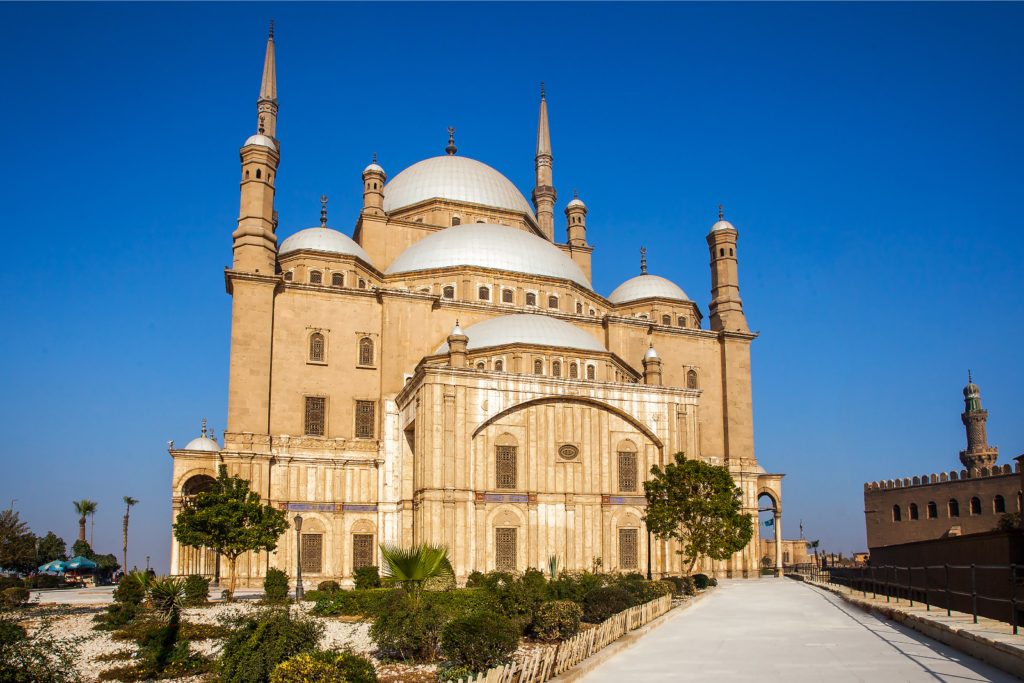
| 2.30–4.00pm | The Citadel of Saladin and the Mosque of Muhammad Ali | About 20 minutes by car |
| 4.30–6.00pm | Al-Muizz Street from Bab al-Futuh, as the lamps come on | 20–30 minutes by car |
| 6.00pm onwards | Khan el-Khalili, mint tea and dinner | On foot from the southern end of Al-Muizz |
Avoid Sunday morning in Coptic Cairo if you want the churches quiet, and note that mosques close to tourists during Friday midday prayers. For dress, cover shoulders and knees all day, and women should carry a scarf for the mosques.
Why see the royal mummies after the GEM?
Because the mummies at the NMEC are the people whose names you read all through day one, and seeing them a day later closes the loop. In April 2021, 18 kings and 4 queens were moved from the old Egyptian Museum to the National Museum of Egyptian Civilization in Fustat in a televised procession known as the Pharaohs' Golden Parade. Among them are Seqenenre Tao, whose skull shows the wounds that killed him in battle, Thutmose III, Hatshepsut and Ramesses II.
The Royal Mummies Hall is dimly lit and quiet, with photography restricted, and most visitors spend 45 minutes to an hour there plus time in the main gallery, which runs from prehistory to the modern era. Tutankhamun's own mummy is not here: it remains in his tomb in the Valley of the Kings, which you can visit if your trip continues to Luxor.
What do you trade off, and how can you swap in Saqqara?
The main loss is Saqqara and Dahshur, where Egyptians learned to build pyramids; if they matter more to you than Coptic Cairo and the mummies, swap them into the morning of day two.
The swapped day looks like this: leave Giza at 7.30am for Saqqara, about 45 minutes south, and spend two to three hours at the Step Pyramid of Djoser and the painted Old Kingdom tombs. Continue 10 km to Dahshur for the Bent and Red pyramids, then drive back into Cairo (60–90 minutes) for the Citadel at about 3pm and Khan el-Khalili for the evening. You lose the churches and the mummies; you gain the whole story of how the pyramid took shape. Our Giza vs Saqqara vs Dahshur comparison helps you decide.
With two days you also skip the quieter Islamic monuments south of the Citadel, such as Ibn Tulun and the Gayer-Anderson Museum, which the three-day plan fits in.
Where should you stay for two days in Cairo?
Stay in Giza if pyramid views and a short day one matter most; stay on the Nile downtown or in Zamalek if you would rather shorten day two and have restaurants on your doorstep. Either way, one hotel for both nights is better than moving.
From a Giza hotel, day one involves almost no driving and day two has about two hours in the car in total. From Zamalek or a Nile-side hotel near Tahrir, day one has 45 to 75 minutes each way to Giza, but day two's stops are all 20 to 30 minutes apart, and you are close to Cairo's best cafés and bookshops in Zamalek. Our guide to where to stay in Cairo compares the neighbourhoods and hotels.
How do you get around Cairo in two days?
A private car and driver for both days, or Uber and Careem for the longer hops, with the metro only for Coptic Cairo. The Cairo Metro stops right opposite Coptic Cairo at Mar Girgis on Line 1, but it does not reach Giza's pyramids or the GEM at the time of writing.
Distances look short on a map and are not: Giza to the Citadel is about 20 km but can take an hour at peak times, which in Cairo run from roughly 8 to 10am and 3 to 7pm on weekdays. Friday mornings are the quietest time on the roads, though mosques are busy at midday. If you are flying to Luxor at the end of day two, an evening flight works with this plan as long as you skip dinner in the bazaar; allow 60 to 90 minutes from Khan el-Khalili to the airport.
A private guide is worth it for day two in particular. Old Cairo's sites are scattered, signage is mostly in Arabic, and much of what makes Coptic Cairo and the Islamic monuments interesting, from the Roman fortress walls under the Hanging Church to the reused pharaonic blocks in the walls of the Fatimid city, is easy to walk past without someone pointing it out.
Frequently asked questions
Is two days enough in Cairo?
Two days is enough for the main sights: the GEM, the pyramids, Coptic Cairo, the royal mummies, the Citadel and Khan el-Khalili. Add a third day for Saqqara and Dahshur or for a slower look at Islamic Cairo.
Can I see the pyramids and Islamic Cairo on the same day?
Yes, but it is a long day with 60–90 minutes of driving between them. With two days, it is better to keep Giza and the old city on separate days.
Is the NMEC worth it if I've been to the GEM?
Yes. The two museums do different jobs: the GEM has Tutankhamun's treasures and royal sculpture, while the NMEC holds the royal mummies of the New Kingdom, which are not at the GEM.
What is the best day of the week to start a two-day Cairo visit?
Avoid putting the Old Cairo day on a Friday (midday prayers) or Sunday morning (church services). Check the GEM's current opening days before you lock in day one.
Can I add Saqqara to a two-day Cairo trip?
Yes, by swapping it for Coptic Cairo and the NMEC on the morning of day two, then visiting the Citadel and Khan el-Khalili in the afternoon and evening.