Quick answer
Egypt was where the Anzacs first came together: the first Australian and New Zealand contingents trained at Mena Camp beneath the Giza pyramids and at Zeitoun near Heliopolis from December 1914 until they sailed for Gallipoli in April 1915. Egypt was then the base for the Light Horse and New Zealand Mounted Rifles in the Sinai–Palestine campaign, and in the Second World War for the desert battles that culminated at El Alamein in 1942. Commonwealth war cemeteries in Cairo, Alexandria, Port Said and El Alamein hold many Australians and New Zealanders.
Why were Australians and New Zealanders sent to Egypt in 1914?
The first Australian and New Zealand contingents were heading for training in England when, with the Ottoman Empire entering the war and camps in Britain overcrowded, they were diverted to Egypt, landing at Alexandria in early December 1914. The convoy had assembled in King George Sound off Albany, Western Australia, and sailed on 1 November 1914 carrying roughly 30,000 men of the Australian Imperial Force and the New Zealand Expeditionary Force, along with thousands of horses.
Egypt was then under British control, declared a British protectorate in December 1914, and the Suez Canal was the lifeline to India and Australia. Training the new divisions there kept them close to the canal and to the Dardanelles, where an attack on the Ottoman Empire was already being planned. From Alexandria the troops went by train to Cairo, and within days a city of tents was rising in the desert.
What was Mena Camp?
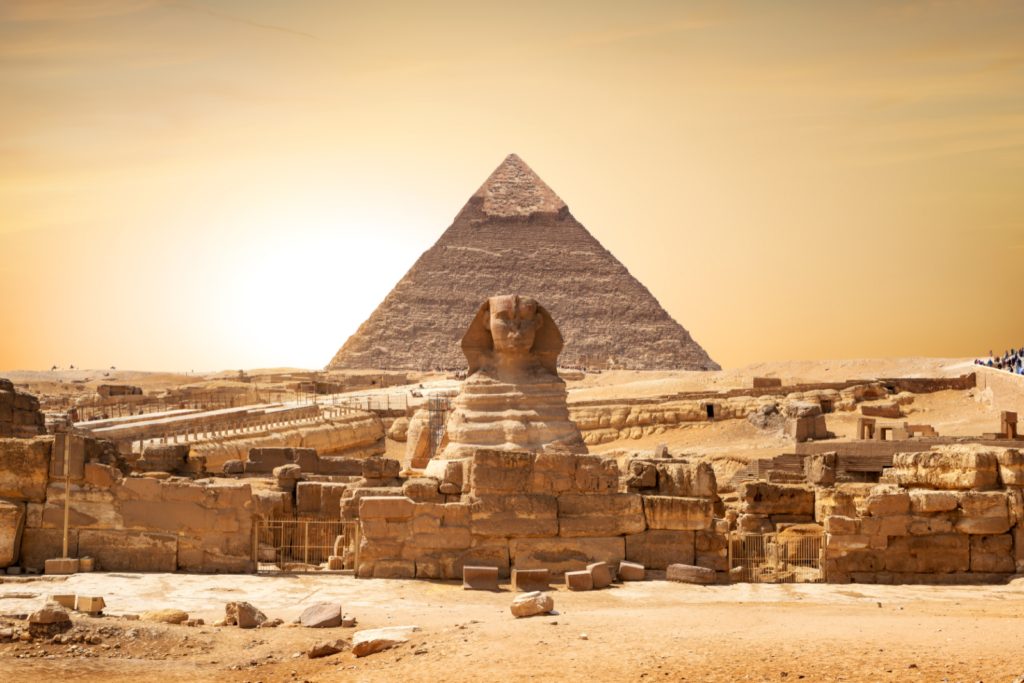
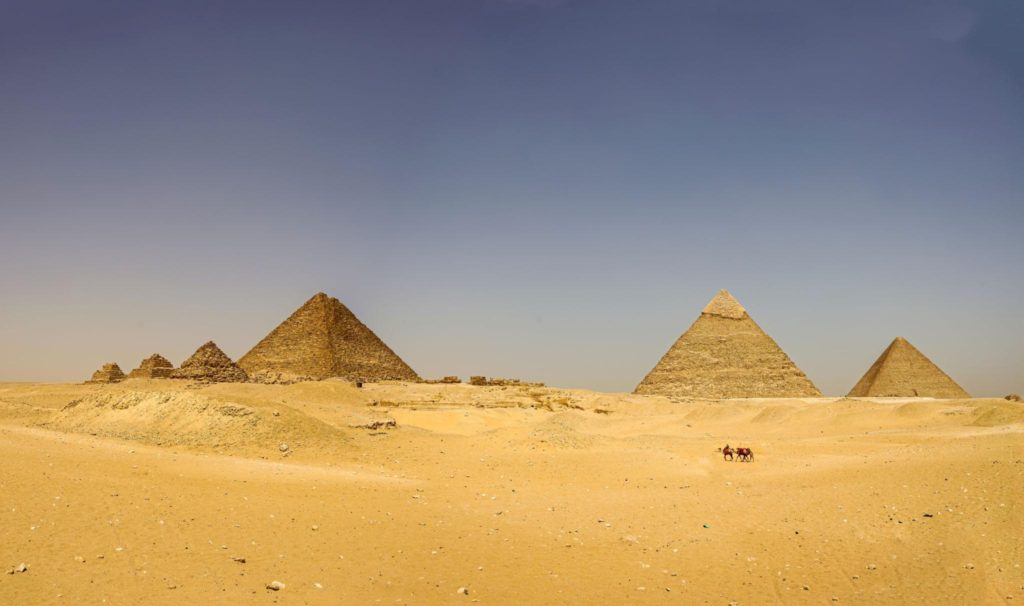
Mena Camp was the Australian infantry's tented camp at the foot of the Giza plateau, beside the Mena House hotel, where the 1st Australian Division trained from December 1914 to April 1915 with the pyramids as a backdrop. Days were spent marching and digging in soft sand, often in full kit, and many soldiers climbed the Great Pyramid on their days off, which was permitted then and is strictly forbidden now. The most famous image of the period, a photograph of the 11th Battalion, raised in Western Australia, arrayed on the steps of the Great Pyramid in January 1915, is held by the Australian War Memorial.
The New Zealanders camped at Zeitoun, on the north-eastern edge of Cairo near Heliopolis, and Australian Light Horse units camped at Maadi, south of the city. It was in Egypt that the two forces were combined into the Australian and New Zealand Army Corps under the British general William Birdwood; the acronym ANZAC is generally said to have been coined at his Cairo headquarters early in 1915.
Off duty, Cairo was a revelation and a temptation. Soldiers' letters describe the bazaars, Shepheard's Hotel, donkey rides to the pyramids and the sights of the old city. Tensions over the brothels of the Wazzir district boiled over on Good Friday, 2 April 1915, when Australian and New Zealand soldiers rioted there, an episode remembered as the Battle of the Wazzir. A few days later the troops began moving to Alexandria and on to Lemnos, and on 25 April 1915 they landed at Gallipoli.
What role did Egypt play during and after Gallipoli?
Egypt was the Anzacs' hospital, depot and rebuilding ground: the wounded from Gallipoli were shipped back to hospitals in Alexandria and Cairo, and after the evacuation in December 1915 the AIF was reorganised and doubled in size in Egyptian camps.
- Hospitals: the No. 1 Australian General Hospital took over the grand Heliopolis Palace Hotel, and overflow wards were set up in buildings including the Luna Park skating rink in Heliopolis. Many soldiers who died of wounds are buried in Cairo and Alexandria rather than at Gallipoli.
- Rebuilding: in early 1916 new divisions were formed from Gallipoli veterans and reinforcements in camps at Tel el-Kebir and along the Suez Canal, before most of the infantry left for the Western Front in France.
The mounted troops stayed. For the Light Horse and the New Zealand Mounted Rifles, Egypt remained home base for almost three more years.
What was the Sinai–Palestine campaign?
From 1916 to 1918 the Australian Light Horse and New Zealand Mounted Rifles, largely in the Anzac Mounted Division under the Australian general Harry Chauvel, fought across the Sinai and into Palestine and Syria, first defending the Suez Canal and then driving the Ottoman army north.
- Romani, August 1916: an Ottoman-German advance on the canal was defeated among the sand dunes east of Port Said, ending the threat to the canal.
- Magdhaba (December 1916) and Rafa (January 1917): mounted actions that cleared the Sinai and brought the campaign to the border of Palestine.
- Gaza and Beersheba, 1917: after two failed attacks on Gaza, the charge of the 4th Light Horse Brigade at Beersheba on 31 October 1917 broke the Ottoman line.
- Jerusalem to Damascus: Jerusalem fell in December 1917 and Australian and New Zealand horsemen were among the first troops into Damascus in October 1918.
The Desert Mounted Corps Memorial, unveiled at Port Said in 1932, was badly damaged during the Suez Crisis in 1956; a recast version now stands at Mount Clarence in Albany, where the first convoy sailed, and a copy stands on Anzac Parade in Canberra. One later episode is remembered very differently in Egypt: in 1919, before going home, Anzac mounted troops were used to help put down the nationalist uprising against British rule.
What did the Anzacs do in Egypt in the Second World War?
Egypt was again the base for Australian and New Zealand forces from 1940, and the 9th Australian Division and 2nd New Zealand Division fought in the battles at El Alamein in 1942 that ended the Axis threat to the Nile and the canal. The 6th Australian Division trained in Egypt in 1940 before the victories at Bardia and Tobruk in Libya in January 1941; the 9th Division held Tobruk through the siege of 1941; and RAAF squadrons, including No. 3 Squadron, flew with the Desert Air Force.
The New Zealanders made Maadi Camp, south of Cairo, their main base for the whole war in the Middle East, and from Egypt the 2nd New Zealand Division went to Greece and Crete in 1941 and back to the desert. The El Alamein story, with the Victoria Crosses won there and the cemetery on the coast, is told in our guide to El Alamein War Cemetery.
Which war cemeteries can you visit in Egypt?
The Commonwealth War Graves Commission maintains cemeteries across Egypt, and the ones with the strongest Australian and New Zealand links are in Cairo, Heliopolis, Alexandria, Port Said and El Alamein.
| Cemetery | Era | Connection |
|---|---|---|
| Cairo War Memorial Cemetery, Old Cairo | Both world wars | Soldiers who died in Cairo's hospitals, including Gallipoli wounded |
| Heliopolis War Cemetery | Second World War | Burials from the Cairo hospitals and bases, plus memorials to the missing |
| Alexandria (Chatby) Military and War Memorial Cemetery | Mainly First World War | Many who died of wounds after Gallipoli in Alexandria's hospitals |
| Alexandria (Hadra) War Memorial Cemetery | Both world wars | Hospital and base burials |
| Port Said War Memorial Cemetery | Both world wars | Canal defence and the Sinai campaign |
| El Alamein War Cemetery | Second World War | The 9th Australian and 2nd NZ Divisions in the desert battles |
Before you travel, search the Commission's Find War Dead database for the cemetery, plot and grave reference; the Australian War Memorial's Roll of Honour and Auckland Museum's Online Cenotaph hold service records and photographs. Cemetery access and opening hours vary, so ask us to confirm arrangements for a specific grave.
Can you see where Mena Camp was?
Yes, in the sense that the setting is unchanged: the camp lay on the desert flats beside the Mena House hotel at the northern foot of the Giza plateau, now built over by hotel grounds, roads and the edge of Giza, and nothing substantial of it survives. Standing at the Mena House end of the plateau, with Khufu's pyramid above you, gives the view in the soldiers' photographs. Combine it with a visit to the Great Pyramid itself and, if a relative was there, bring a copy of their service record or letters home; our guides know the story well. The planned Anzac heritage tour links Mena, the Cairo cemeteries, Alexandria and El Alamein.
Is Anzac Day marked in Egypt?
Yes: the Australian and New Zealand embassies in Cairo have held Anzac Day commemorations, typically at a Commonwealth war cemetery, but venues, timing and public access vary from year to year. Contact the embassy well ahead of 25 April to ask whether members of the public can attend and what ID is needed, and expect security checks. October's El Alamein anniversary and Remembrance Day on 11 November are also marked. Check current travel advice on Smartraveller or SafeTravel, and remember that late April is warm but still a comfortable time to travel; see the best time to visit Egypt.
Frequently asked questions
Where was Mena Camp?
On the desert flats beside the Mena House hotel at the northern foot of the Giza plateau, about 15 km west of central Cairo. Australian infantry trained there from December 1914 until April 1915.
Where did the New Zealanders camp in Egypt in 1914–15?
Mainly at Zeitoun, on the north-eastern edge of Cairo near Heliopolis. In the Second World War the New Zealand base was Maadi Camp, south of the city.
Are there Anzac graves in Cairo?
Yes. Cairo War Memorial Cemetery in Old Cairo and Heliopolis War Cemetery both hold Australian and New Zealand burials. Search the Commonwealth War Graves Commission's database for a grave reference before you go.
Can you climb the pyramids like the Anzacs did?
No. Climbing the pyramids is forbidden today and can lead to arrest. You can enter the Great Pyramid with a separate ticket; see our Giza pyramids guide.
Can I attend an Anzac Day service in Egypt?
Sometimes. The Australian and New Zealand embassies in Cairo usually mark Anzac Day, but whether the public can attend, and where, changes from year to year. Contact the embassy well in advance.