Quick answer
Travel insurance for Egypt should include unlimited or very high overseas medical cover, emergency evacuation and repatriation, cancellation cover bought when you pay your deposit, and any activities you plan, such as a Luxor balloon flight, scuba diving or quad biking. Check that the policy still covers you at Egypt's current Smartraveller advice level for each region you visit, and declare pre-existing conditions.
Do you need travel insurance for Egypt?
Yes. Without insurance, you would personally pay for any hospital treatment in Egypt and any medical flight home, and Australia's Medicare system does not cover care in Egypt. The Australian Government's Smartraveller service puts it bluntly: if you can't afford travel insurance, you can't afford to travel.
Private hospitals in Cairo and Alexandria are well equipped, and Luxor, Aswan, Hurghada and Sharm el-Sheikh have private facilities used to treating visitors, but they usually want a deposit, card payment or an insurer's guarantee before admitting you. A serious injury at Abu Simbel or in the Western Desert may mean a long transfer, and a medically escorted flight back to Australia can cost tens of thousands of dollars or more. Most tour operators require it too; Noble Travel's booking terms ask every traveller to hold comprehensive travel insurance.
What should an Egypt travel insurance policy cover?
At a minimum, look for unlimited (or very high) overseas medical cover, emergency evacuation and repatriation, cancellation and amendment cover that matches your trip cost, and cover for luggage, cash and travel documents.
| Cover | Why it matters in Egypt |
|---|---|
| Overseas medical and hospital | Stomach infections, heat illness and falls on uneven ground are the commonest claims; serious illness can mean days in a private hospital |
| Emergency evacuation and repatriation | Moving you from a remote site, a Nile ship or the desert to a major hospital, or home to Australia |
| Cancellation and amendment | Covers deposits for flights, cruises and tours if you can't travel for an insured reason |
| Travel delay and missed connections | Long-haul routes via the Gulf or Asia, plus domestic EgyptAir connections |
| Luggage, cash and documents | Including a lost passport and the cost of an emergency replacement |
| Personal liability | If you accidentally injure someone or damage property |
Look closely at sub-limits for phones, cameras and laptops, which are often low per item, and at the excess you pay on each claim.
Does travel insurance cover Egypt under the current Smartraveller advice?
Usually yes for the main tourist areas, but many policies exclude claims in places where Smartraveller says "Do not travel", and some limit cover where it says "Reconsider your need to travel", so check the advice for every region on your route.
Smartraveller sets an overall level for Egypt and different levels for specific areas; at the time of writing, parts of the north Sinai and some border regions carry the highest warnings, while Cairo, the Nile Valley and the Red Sea resorts sit at a lower level. Levels change, sometimes at short notice, so read the latest Smartraveller advice for Egypt when you buy your policy and again before you leave. New Zealanders should check SafeTravel.
Two more things to understand:
- Known events: once something becomes a publicly known event (a conflict, unrest or an outbreak), new policies usually won't cover cancellations caused by it. Buying when you book protects you best.
- Changing your mind: cancelling simply because you feel nervous, without a change in official advice, is rarely covered. Some insurers offer "cancel for any reason" upgrades at extra cost.
Our is Egypt safe guide explains the advice levels in more detail.
Will your insurance cover a Nile cruise, balloon flight or desert trip?
Check each one by name in the policy wording: Nile cruises, hot-air ballooning and desert camping are treated differently by different insurers, and some need an add-on.
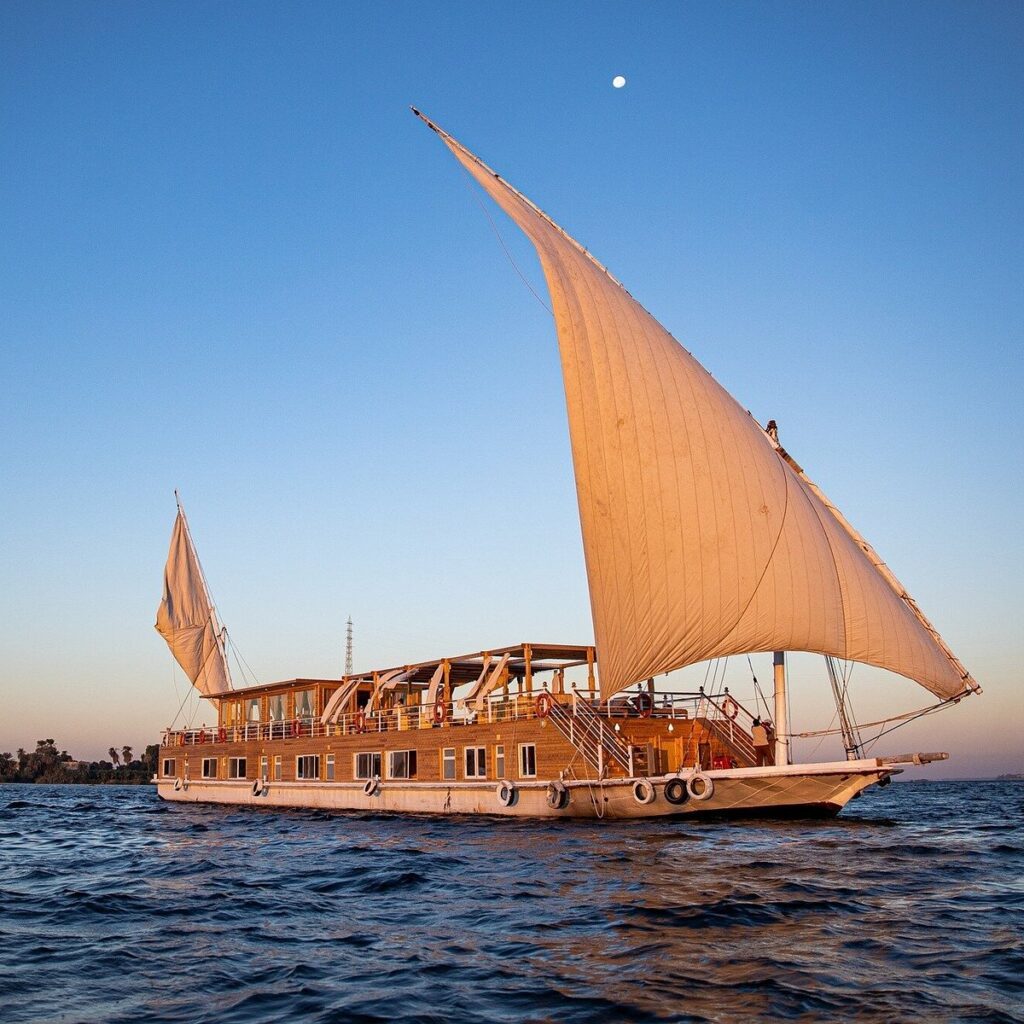
- Nile cruises: several Australian insurers require a cruise add-on for any cruise, while others apply it only to ocean voyages. Ask directly whether a four-night river cruise or a dahabiya counts, and get the answer in writing.
- Hot-air balloon flights: a Luxor balloon flight is a highlight of many trips, but ballooning is excluded or limited on some standard policies, sometimes depending on whether you're a fare-paying passenger with a licensed operator. Read our Luxor balloon guide, then check your wording.
- Desert camping and 4WD: overnight trips to the White Desert or Siwa are usually covered as normal sightseeing, but evacuation from remote areas is exactly when you need generous limits.
- Quad bikes: often excluded outright, or covered only under strict conditions such as wearing a helmet and riding with a licensed operator. See our quad biking guide.
- Camel and horse rides: usually covered, but confirm, especially for a long ride at Giza or in the Sinai.
What about scuba diving and Red Sea activities?
If you plan to scuba dive in the Red Sea, make sure your policy covers diving to the depth you'll actually dive, at your certification level, including hyperbaric chamber treatment; many standard policies cap cover at around 30 metres or exclude it without an add-on.
Red Sea diving is world-class and a big draw at Hurghada, Sharm el-Sheikh, Dahab and Marsa Alam, with recompression chambers in the main dive centres. Questions to ask:
- What maximum depth is covered, and does it change if you're diving with an instructor rather than certified?
- Is a try-dive or a PADI course for beginners covered?
- Are liveaboards covered, and is there a cruise exclusion that might apply?
- Is decompression illness treatment, including chamber time, included?
Many regular divers add specialist dive accident cover on top of their travel insurance. Snorkelling is covered by most standard policies. Note too that most insurers expect you to wait the recommended time between your last dive and your flight home. See our scuba diving in Egypt guide.
What common exclusions catch travellers out?
The claims most often refused involve undeclared pre-existing conditions, alcohol, unattended belongings and activities outside the policy's list.
- Pre-existing conditions: declare everything the insurer asks about, even if well controlled. An undeclared condition can void a related claim.
- Age limits and loadings: travellers over 70 or 75 may face higher premiums, lower limits or medical assessments, so start comparing early.
- Alcohol: injuries while intoxicated are commonly excluded.
- Unattended items: a phone left on a café table or a bag left on a cruise sundeck may not be covered.
- Police reports: for theft, most insurers need a report made within 24 hours. In Egypt, go to the tourist police, who are present at major sites and in tourist towns, with your guide's help.
- Credit card insurance: complimentary cover linked to some Australian credit cards has conditions, such as paying for the trip on that card, and may have lower limits. Read the policy before relying on it.
What should you do if you need to claim in Egypt?
Contact your insurer's 24-hour emergency assistance team as soon as it's safe, before agreeing to expensive treatment or flights home, and keep every receipt, report and medical note.
- Save the emergency number and your policy number in your phone and on paper.
- For medical emergencies, get to care first; the Egyptian ambulance number is 123. Your guide or hotel can call a doctor to your room for minor illness.
- Ask the hospital to contact your insurer for a guarantee of payment if you're admitted.
- Collect itemised receipts, medical reports and, for theft, a police report.
- Keep records of extra costs from delays, such as hotel nights and meals.
On a private trip, your guide is on hand to help with phone calls, translation and getting to a hospital or police station if something goes wrong. For wider preparation, read our vaccinations and health guide, and when you're ready, start planning your trip.
Frequently asked questions
Is travel insurance mandatory for Egypt?
Egypt doesn't generally require proof of insurance at the border, but it's essential for Australians because Medicare doesn't cover treatment in Egypt, and many tour operators require you to hold a policy.
Does Medicare cover me in Egypt?
No. Australia has no reciprocal healthcare agreement with Egypt, so any treatment there must be paid for by you or your travel insurer.
Does travel insurance cover hot-air ballooning in Luxor?
Some policies cover it as a passenger with a licensed operator, while others exclude it or require an add-on. Check that ballooning is named in your policy wording before you fly.
Do I need cruise cover for a Nile cruise?
It depends on the insurer. Some Australian insurers require a cruise add-on for any cruise including river cruises, while others apply it only to ocean voyages. Ask and get the answer in writing.
Will my insurance cover me if Smartraveller changes its advice for Egypt?
Cover varies. Many policies exclude regions under a 'Do not travel' warning, and cancellation cover for an event depends on whether you bought the policy before the event became known. Buy early and read the wording.
Is credit card travel insurance enough for Egypt?
Sometimes, but check the conditions, limits, age caps, activity exclusions and whether you must buy the trip on that card. Many travellers find a standalone policy clearer.