Quick answer
January is one of the best months for sightseeing in Egypt: Cairo reaches about 19°C and Luxor and Aswan 23–24°C by day, but mornings are cold and desert nights can approach freezing. It is peak season, busiest in the first week around New Year and Coptic Christmas (7 January), so book cruises, hotels and flights from Australia well ahead and start each day early.
Is January a good time to visit Egypt?
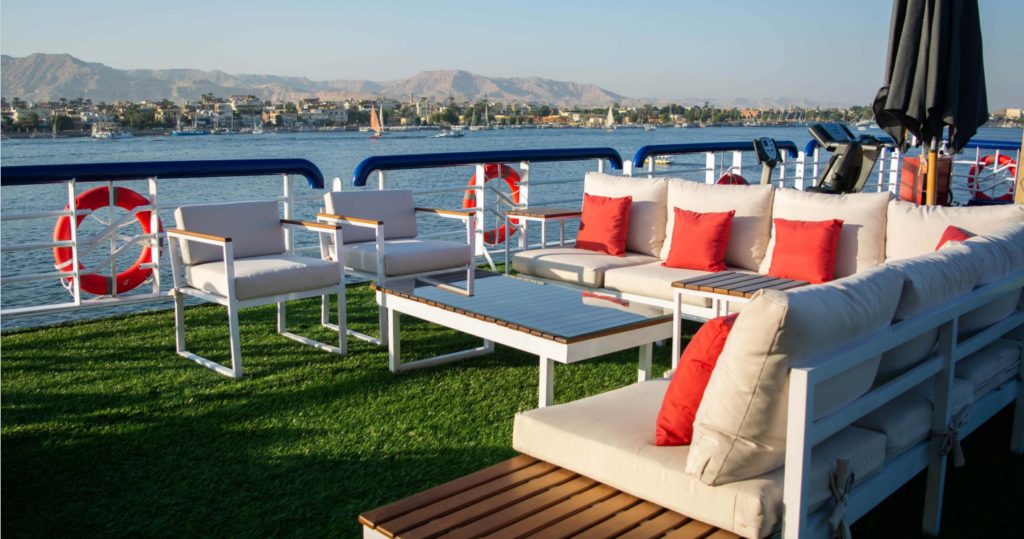
Yes: January has the most comfortable sightseeing temperatures of the year, and the trade-off is peak-season crowds and prices. You can walk Karnak at midday, climb down into the tombs of the Valley of the Kings without breaking a sweat and sit on a cruise deck in the afternoon sun. Nothing about the weather limits what you can do, except swimming in the sea and sleeping out in the desert without proper gear.
For Australians and New Zealanders it is also the obvious holiday window: the summer school holidays run through most of January, and many people use the quiet weeks after New Year at work to travel. That is exactly why Egypt is full. If you want the overview of how January compares with the other eleven months, our best time to visit Egypt guide has the full-year table; this page goes into the detail of January itself.
What is the weather like in Egypt in January?
Expect sunny days of 19–24°C almost everywhere, but a big daily swing: a 6°C dawn in Luxor can become 24°C by early afternoon. Rain is rare except on the Mediterranean coast.
| Place | Typical high | Typical low | What it feels like |
|---|---|---|---|
| Cairo and Giza | 19°C | 9°C | Crisp mornings, often hazy; a jacket until mid-morning |
| Luxor | 23°C | 6°C | Cold balloon dawns, perfect afternoons |
| Aswan | 24°C | 9–10°C | The warmest Nile city; ideal felucca weather |
| Hurghada and El Gouna | 21–22°C | 11–12°C | Sunny but often breezy; sea around 22°C |
| Alexandria | 18°C | 10°C | Wettest month; winter storms roll in off the Mediterranean |
| White Desert and Siwa | 20–21°C | 0–5°C | Pleasant days, frosty nights in the open desert |
Figures are typical long-term averages. Cold snaps happen: a few days of 15°C highs in Cairo with a sharp northerly wind are not unusual. On the Nile, the wind off the water makes evenings on deck feel colder than the thermometer says.
How busy is Egypt in January, week by week?
The first week of January is the busiest of the month; from about the second week crowds ease slightly, but January stays firmly in high season throughout.
- 1–7 January: the Christmas and New Year rush is still on. European and North American families are travelling, Egyptian Copts celebrate Christmas on 7 January, and Nile ships and hotels are at or near capacity. Prices are at their highest.
- 8–20 January: the best stretch of the month. Weather is unchanged, festive surcharges have dropped away and you will notice slightly shorter queues at the Grand Egyptian Museum and the Valley of the Kings.
- 21–31 January: busy again with Australians and New Zealanders finishing their summer holidays, Europeans escaping winter and Egyptians enjoying the 25 January public holiday weekend. In some years Chinese New Year groups also arrive at the end of the month.
Even mid-month, the headline sites are crowded between 9am and 1pm, when tour coaches from the cruise ships and Hurghada arrive. A private guide can reverse the usual order: the West Bank first thing, Karnak in the late afternoon light.
What happens in Egypt in January?
January's main events are Coptic Christmas on 7 January, Coptic Epiphany around 19 January and the 25 January public holiday; none of them closes the sights.
- Coptic Christmas (7 January): Egypt's Coptic Orthodox Christians follow the old Julian calendar. After a 43-day fast, the Christmas Eve liturgy runs late into the night of 6 January; in recent years the Coptic Pope has led it at the new Cathedral of the Nativity in the New Administrative Capital. It is a national public holiday, so banks and offices close but tourist sites open as usual. Our Coptic Christmas guide covers how visitors can attend a service respectfully.
- Epiphany, or Eid al-Ghitas (about 19 January): a Coptic feast commemorating Christ's baptism, traditionally marked by eating taro (qolqas), sugar cane and citrus. You are most likely to see it in Coptic neighbourhoods and churches.
- 25 January: a public holiday marking both National Police Day and the anniversary of the 2011 revolution. Expect busier roads out of Cairo and busier Red Sea resorts if it creates a long weekend.
- Cairo International Book Fair: one of the largest book fairs in the Arab world, usually held from late January into early February at the exhibition centre in New Cairo. Check the dates closer to the time.
Looking ahead, Ramadan is moving into January: it is expected to begin in late January in 2028 and mid-January in 2029. For January 2027 it is not a factor.
What does January cost, and what should you book first?
January is priced as high season, so book the scarce things first: the right Nile ship, the historic hotels, Abu Simbel transport and your flights from Australia. We don't quote package prices here, but as a rule cruise and hotel rates in early January sit at or near the year's peak, and the cheapest cabins on good ships sell first.
- Flights: fares from Sydney, Melbourne, Brisbane and Perth via Dubai, Doha or Abu Dhabi are expensive across the summer school holidays, especially return flights in the last week of January. See flights from Australia to Egypt.
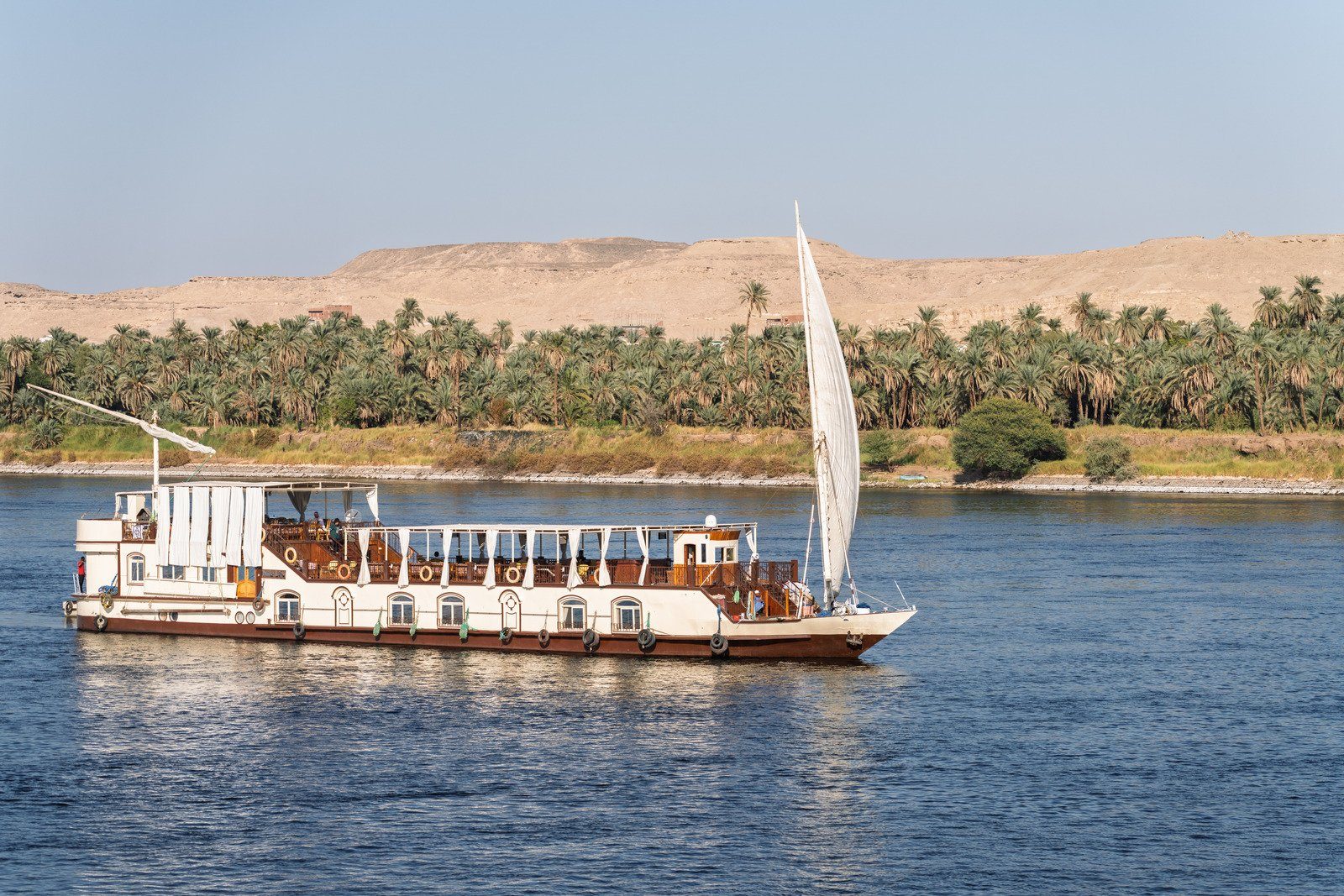
- Nile cruise or dahabiya: 6–12 months ahead for a specific ship or a suite. Dahabiyas, with only 6–12 cabins, go first.
- Signature hotels: the Sofitel Legend Old Cataract in Aswan and Marriott Mena House at Giza fill early for the first fortnight.
- Luxor balloon flight: book a reputable operator a few days ahead at least, and keep a spare morning in case wind grounds the flights.
- Special tombs: tickets for Tutankhamun, Seti I and Nefertari are sold on the day at the time of writing, but numbers can be limited, so arrive early.
What should you pack for Egypt in January?
Pack for two climates in one day: a warm layer for 6–10°C mornings and evenings, and sun protection for 24°C afternoons. Coming from an Australian summer, this catches people out more than anything else.
- A light down jacket or fleece for the dawn balloon flight, early starts at Giza and evenings on deck. The open sun deck of a cruise ship after dark can feel close to 10°C with the breeze.
- A warm hat and gloves if you are camping in the White Desert; good camps supply thick blankets, but nights can drop to around freezing.
- Long trousers and closed shoes for the tombs and uneven temple floors, plus a sunhat and sunscreen: the UV is still strong by Australian standards.
- Swimmers only if you are adding the Red Sea or have a heated pool; most hotel pools in Luxor and Aswan are bracing in January.
For modest dress in mosques and churches, especially around Coptic Christmas, see what to wear in Egypt.
Where in Egypt is best in January?
January favours the Nile Valley and the Western Desert by day; the Red Sea and Alexandria are the compromises.
- Best: Luxor and Aswan, Abu Simbel and a Nile cruise or dahabiya. This is when long days on foot at Karnak, Dendera or Abydos are genuinely pleasant.
- Very good: Cairo and Giza. Short days mean planning: with sunset around 5–5.30pm, fit the Giza plateau and Saqqara into a single early start, and save the Grand Egyptian Museum for an afternoon.
- Good with caveats: the Red Sea. Hurghada and Sharm el-Sheikh are sunny but often windy, and sea temperatures of around 22°C feel cool for long swims; a 3–5 mm wetsuit helps snorkellers. Sharm and Marsa Alam run a little warmer than Hurghada.
- Mixed: Alexandria, which gets most of its year's rain between December and February, and the open desert, where daytime is perfect and night is cold.
A classic January trip is the Classic Egypt and Nile Cruise, which keeps you in the Nile Valley for the best of the weather.
Frequently asked questions
How cold does Egypt get in January?
Days are mild, around 19°C in Cairo and 23–24°C in Luxor and Aswan, but nights fall to 6–10°C along the Nile and close to freezing in the open desert. Bring a proper warm layer.
Can you swim in Egypt in January?
You can, but the Red Sea is around 22°C and often breezy, which most Australians find cool. Many snorkellers wear a thin wetsuit. Hotel pools in Luxor and Aswan are usually unheated and chilly.
Is Egypt crowded in January?
Yes, January is high season. The first week (New Year and Coptic Christmas) is busiest; mid-January is slightly calmer. Visit major sites at opening time or late afternoon.
Are sites open on Coptic Christmas?
Yes. 7 January is a public holiday, so banks and government offices close, but museums, temples and the pyramids open as normal.
Is January good for a Nile cruise?
It is one of the best months: warm days, cool nights and clear skies. Book early, as ships and dahabiyas fill months ahead.