Quick answer
For a typical 10 to 14 day Egypt trip, pack light, modest clothing in layers, comfortable walking shoes, strong sun protection, a type C/F plug adaptor, a small daypack, a reusable water bottle, a basic health kit with rehydration salts, and your passport, insurance and visa documents. Add a warm jacket from November to March, swimwear and reef shoes for the Red Sea, and a head torch and warm layers for desert camping.
What are the essentials to pack for Egypt?
Whatever your season or style of trip, these are the items that make the biggest difference in Egypt: documents, sun protection, the right shoes, a plug adaptor, small cash and a basic health kit.
Documents and money
- Passport valid for at least six months beyond your travel dates, with spare pages
- e-Visa printout or visa plan (see our Egypt visa guide for Australians)
- Travel insurance certificate and the insurer's 24-hour number
- Two bank cards on different networks, plus some clean US dollar notes
- Printed and digital copies of everything, stored separately
Daily carry
- A small daypack or crossbody bag that zips closed
- Reusable or insulated water bottle
- Small Egyptian pound notes for tips and toilets (our money guide explains why)
- Tissues, hand sanitiser and a few wet wipes
- A small padlock for your suitcase and a lightweight dry bag for felucca and boat trips
- Sunglasses, hat and a lightweight scarf
For clothing advice, including what to wear at mosques and on cruise nights, see our what to wear in Egypt guide; this page focuses on everything else.
What should be in your Egypt health and toiletry kit?
Bring your prescription medicines, sunscreen and any toiletries you're fussy about from Australia, plus a small kit for the predictable problems: tummy upsets, blisters, sunburn and dry eyes.
- Prescription medicines in original packaging with a doctor's letter, split between two bags
- SPF 50+ sunscreen (Australian brands are hard to find and pricey in Egypt) and SPF lip balm
- Oral rehydration salts and anything your doctor recommends for stomach upsets
- Blister plasters, antiseptic and a few bandages
- After-sun or aloe gel, moisturiser and eye drops for the dry, dusty air
- Insect repellent for Nile evenings and the oases
- Contact lens solution and spare glasses
- Your preferred tampons or menstrual products, which can be harder to find outside cities
- Earplugs and an eye mask, for early morning calls to prayer, cruise engines and light-filled cabins
Our vaccinations and health prep guide covers what to discuss with your doctor before you go.
What tech and gadgets should you take to Egypt?
Take a phone with offline maps, a multi-port charger, two slim type C adaptors, a power bank, and spare camera batteries and memory cards; leave drones at home.
- Type C adaptors; Egypt's 220V suits Australian devices (see our power plugs guide)
- Multi-port USB charger and spare cables
- Power bank, carried in your hand luggage
- An unlocked phone, ready for a local SIM or travel eSIM
- Camera with spare batteries; phones are fine for most sites, while big lenses and tripods may need permits
- Headphones for long flights and transfers
- A small head torch for desert camps and dim tomb corridors
Drones need government permission and are routinely held at the airport if found in luggage; our photography and drone rules guide has the details.
What should you pack for Egypt in winter versus summer?
Pack for warm days and cold mornings in winter (December to February), and for extreme heat and strong sun in summer (June to August); spring and autumn need a bit of both.
| Item | Winter (Dec–Feb) | Summer (Jun–Aug) |
|---|---|---|
| Warm layer | Essential: fleece or packable down jacket, plus a beanie for balloon flights and Abu Simbel departures | Only a light cardigan for air-conditioned buses and flights |
| Sun protection | Hat and SPF 50+ still needed | Wide-brimmed hat, UPF clothing, SPF 50+, cooling towel |
| Hydration | Standard water bottle | Insulated bottle and electrolyte sachets |
| Footwear | Closed walking shoes, warm socks | Breathable shoes or sports sandals with a heel strap |
| Swimming | Pools are often unheated; the Red Sea is cool but swimmable | Swimwear and a rash vest for pools and the Red Sea |
Remember Egypt's seasons line up with the northern hemisphere, so a July trip from a Melbourne winter means packing summer clothes. See the best time to visit Egypt for temperatures by month, and our heat and sun safety guide before a summer trip.
What extra should you pack for a Nile cruise, the desert or the Red Sea?
Each style of trip adds a few specific items: something smart for cruise dinners, warm layers and a torch for the desert, and reef shoes and a rash vest for the Red Sea.
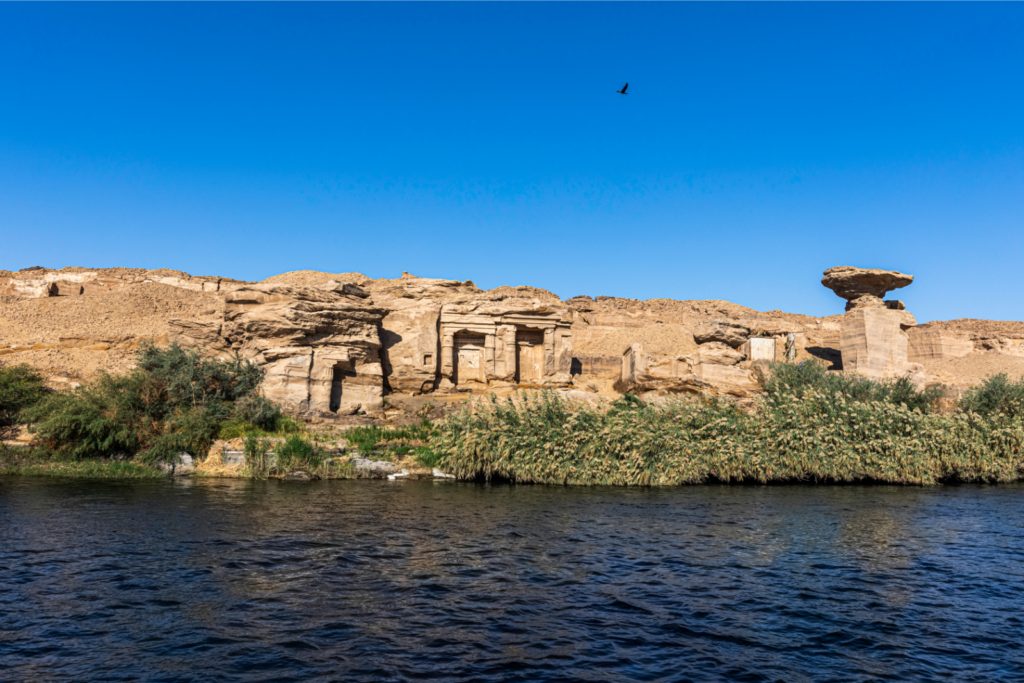
Nile cruise or dahabiya
- A smart-casual outfit for dinner and something for the galabeya party night (or buy a robe in Luxor)
- Swimwear for the sundeck pool, a light layer for breezy evenings on deck
- Binoculars for birdlife and riverbank life, and a small bag for shore excursions
Our dedicated Nile cruise packing list goes into cabin-by-cabin detail.
Desert camping (White Desert, Siwa, Bahariya)
- Thermal top, warm jacket and beanie: nights can approach freezing in winter
- Head torch, wet wipes, a buff or scarf for sand, and a soft bag rather than a hard case for the 4WD
Red Sea
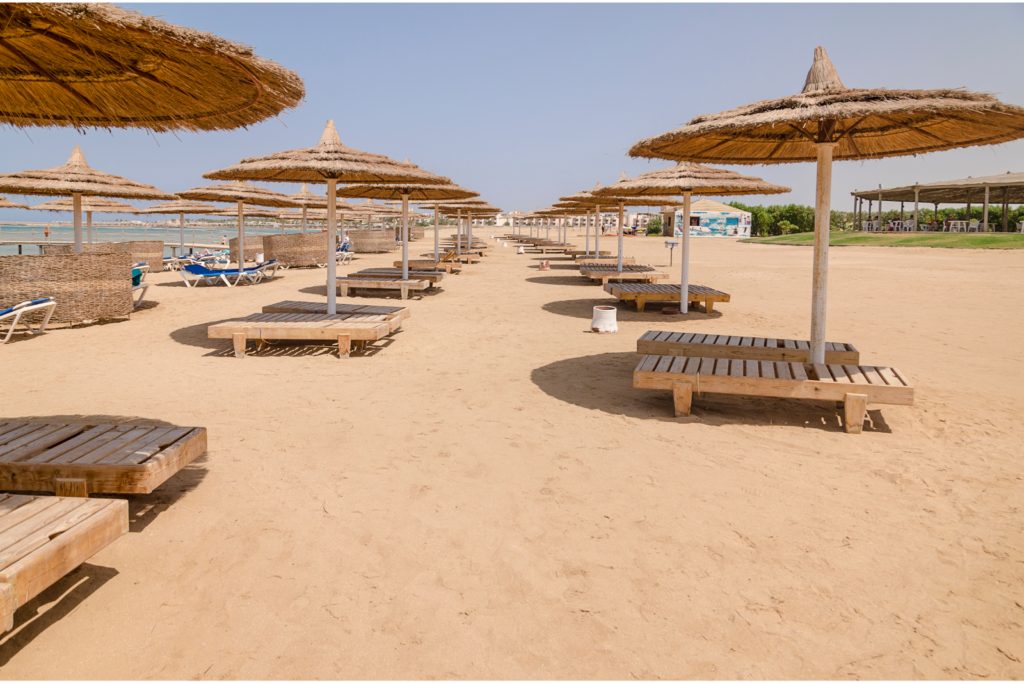
- Reef shoes, rash vest, and your own mask if you have a good one
- Waterproof phone pouch and a dry bag for boat days
- Reef-friendlier mineral sunscreen; see our snorkelling guide
What should you pack for kids in Egypt?
For children, pack extra sun protection, familiar snacks and medicines, a refillable bottle each, and something to keep them busy on long transfers.
- Children's SPF 50+ sunscreen, broad-brimmed hats and sunglasses that actually stay on
- Rehydration solution suitable for children, as advised by your GP or pharmacist
- Children's pain and fever medicine in the form they're used to
- Favourite snacks for fussy days; supermarkets stock biscuits, yoghurt and fruit, but not always familiar brands
- A lightweight stroller only if it folds small; temple paths are sandy and uneven, so a baby carrier is often better
- Downloaded shows, audiobooks and a children's book about ancient Egypt to build excitement
Nappies and formula are available in Egyptian supermarkets and pharmacies, though specific brands may not be. See our Egypt with kids guide or our family adventure tour.
How much luggage should you take, and what should you leave at home?
One medium soft-sided suitcase and a daypack per person is ideal, because you'll move between hotels, cruise ships and domestic flights, and space and porters aren't always available.
Domestic flight baggage allowances within Egypt can be lower than your international ticket, depending on the fare, so check them on your booking, especially for side trips such as Aswan to Abu Simbel. Nile cruise cabins have under-bed or wardrobe space for a suitcase, but dahabiya cabins are tighter, and desert 4WDs fit soft bags far better than hard cases.
Pack a change of clothes, your medicines, chargers and a swimsuit in your carry-on. Most Australians connect through the Gulf or Asia, and if a checked bag misses the connection it can take a day or two to catch up with you, possibly after you've boarded a Nile ship.
Leave at home:
- Drones, and anything that looks like military or surveillance equipment
- Expensive jewellery and watches you won't miss if lost
- A heavy guidebook; your Egyptologist guide and a phone cover it
- Too many clothes: laundry in hotels and on cruise ships is quick and inexpensive
Easy to buy in Egypt: bottled water, scarves, cotton galabeyas, basic toiletries, snacks and extra adaptors. Leave room in your bag for souvenirs, and see our Egypt travel tips for the rest of the first-trip basics.
Frequently asked questions
What should I not bring to Egypt?
Don't bring a drone, which customs routinely hold at the airport, or anything resembling military or surveillance gear. Leave expensive jewellery at home and avoid overpacking clothes, as laundry is cheap and quick.
Do I need a jacket for Egypt?
From November to March, yes. Days are mild but mornings and nights can be cold, especially for balloon flights, early Abu Simbel departures and desert camping.
Should I bring sunscreen to Egypt?
Yes. SPF 50+ sunscreen is expensive in Egypt and Australian brands are hard to find, so bring enough for the whole trip.
What bag is best for travelling in Egypt?
A medium soft-sided suitcase plus a zip-top daypack works best. Soft bags fit cruise cabins, dahabiyas and desert vehicles more easily than large hard cases.
Do I need a torch in Egypt?
A small head torch is useful for desert camps, which often have little or no power, and occasionally for dim corridors or a power cut. Main tombs and temples are lit.
Can I buy things I forget in Egypt?
Most basics, yes: toiletries, scarves, adaptors, snacks, nappies and bottled water are easy to find in cities. Prescription medicines, specific sunscreen brands and contact lens solution are harder, so bring those.