Quick answer
Egypt's Coptic Orthodox Christians celebrate Christmas on 7 January, following the old Julian calendar, after a 43-day fast that begins on 25 November. The main celebration is the Christmas Eve liturgy on the night of 6 January, followed by a family feast of meat and kahk. It is a national public holiday, and visitors who dress modestly are welcome at services, though tourist sites stay open as normal.
Why do Egyptians celebrate Christmas on 7 January?
Because the Coptic Orthodox Church keeps its feasts on the old Julian calendar, which now runs 13 days behind the Gregorian calendar used for everyday life, so the Copts' Christmas, 29 Kiahk in their own calendar, falls on 7 January.
The Coptic Church is the largest Christian community in the Middle East, with estimates commonly around 10 per cent of Egypt's population, and it shares the January date with other Orthodox churches such as the Russian and Serbian. The Coptic calendar itself descends from the ancient Egyptian civil calendar, with twelve 30-day months, a short thirteenth month, and month names such as Tut and Hatur that echo the pharaonic gods. Kiahk, the month of Christmas, is also a season of special midnight praises in Coptic churches.
Since 2003, 7 January has been a national public holiday, observed by the whole country. Messages of greeting between Muslim and Christian neighbours, and visits by officials to Christmas services, are a valued part of the day.
What is the Nativity Fast?
From 25 November, many Copts keep a 43-day fast before Christmas, avoiding meat, eggs and dairy, which is why Egypt's naturally vegan dishes are at their most visible in December.
Fasting food, called siyami, fills menus and bakeries: koshari, ful, ta'ameya, vegetable stews cooked in oil instead of ghee, and vegan versions of sweets. Fish is permitted on many days of this fast, so seafood restaurants stay busy. Strictness varies by family; monks and the devout keep it fully, while others observe part of it. For vegetarian and vegan travellers, it is the easiest time of year to eat well in Egypt, and our vegetarian and vegan guide lists the dishes to ask for.
What happens on Coptic Christmas Eve?
The heart of Coptic Christmas is the liturgy on the evening of 6 January, a long service of chanted prayer, readings and communion that ends around midnight, when the fast is broken.
Services are sung in Arabic and Coptic, the last stage of the ancient Egyptian language, accompanied only by cymbals and the triangle. Churches are decorated with lights and Christmas trees, and families arrive in new clothes. In recent years the Coptic Pope has led the main national service at the vast Cathedral of the Nativity in the New Administrative Capital, east of Cairo, broadcast live on television; before that, it was held at St Mark's Cathedral in Abbassia. Egypt's president has attended the Christmas Eve service in most recent years, a gesture of national unity.
Security is visible at churches over Christmas, with bag checks and metal detectors at the gates. It is routine; carry your passport and allow time to enter.
How do Copts celebrate Christmas Day?
After midnight, families go home to break the fast with a meat feast, then spend 7 January visiting relatives, exchanging kahk and greetings, and taking the children out.
- The meal: fattah with lamb or beef, roast chicken, stuffed vegetables and, at last, dairy and eggs again. Many families eat a first meal straight after the liturgy, in the small hours.
- Kahk: the same sugar-dusted biscuits baked for Eid are baked for Christmas and Easter in Coptic homes, a shared tradition that crosses faiths.
- Greetings: "Eid milad magid" (glorious Christmas) or "kull sana wenta tayyib" (many happy returns). Muslim friends and colleagues offer greetings too.
- Decorations: trees, tinsel and Baba Noel (Santa) figures appear in shops from December, especially in Christian neighbourhoods such as Shubra and in malls and upmarket districts.
Where can visitors attend a Coptic Christmas service?
Any Coptic Orthodox church will welcome respectful visitors, and for travellers the most atmospheric choices are the historic churches of Coptic Cairo and the great modern Cave Church in the Mokattam hills.
- Coptic Cairo: the Hanging Church and Abu Serga, inside the old Roman fortress of Babylon, hold Christmas Eve services. They are small and fill quickly, so arrive early.
- The Cave Church: the Monastery of St Simon in Mokattam has an amphitheatre church cut into the cliff that seats thousands, with a large and moving congregation.
- St Mark's Cathedral, Abbassia: the historic seat of the Coptic Pope in central Cairo.
- Alexandria and Aswan: St Mark's Cathedral in Alexandria, and Aswan's large Cathedral of the Archangel Michael on the Corniche, both mark Christmas with big services.
Your guide can find out which church suits your plans and check the timings for that year. Cairo's Catholic, Anglican and Protestant congregations, including All Saints' Cathedral in Zamalek, celebrate on 25 December instead. For the full story of Christian Egypt, read Christian sites in Egypt.
How should you behave at a Coptic service?
Dress modestly, sit where you are shown, stay as long or as briefly as you like, and don't photograph worshippers or take communion unless you are Orthodox.
- Dress: shoulders and knees covered for everyone; women may like a scarf, though it is not always required. January nights are cool, around 10°C in Cairo, so bring a jacket.
- Seating: in many Coptic churches men and women sit on separate sides. Follow what others do.
- Coming and going: services last hours, and people move in and out; it is fine to attend part of it.
- Photography: ask first, never use flash, and keep phones away during the consecration and communion.
Does Coptic Christmas affect a trip to Egypt?
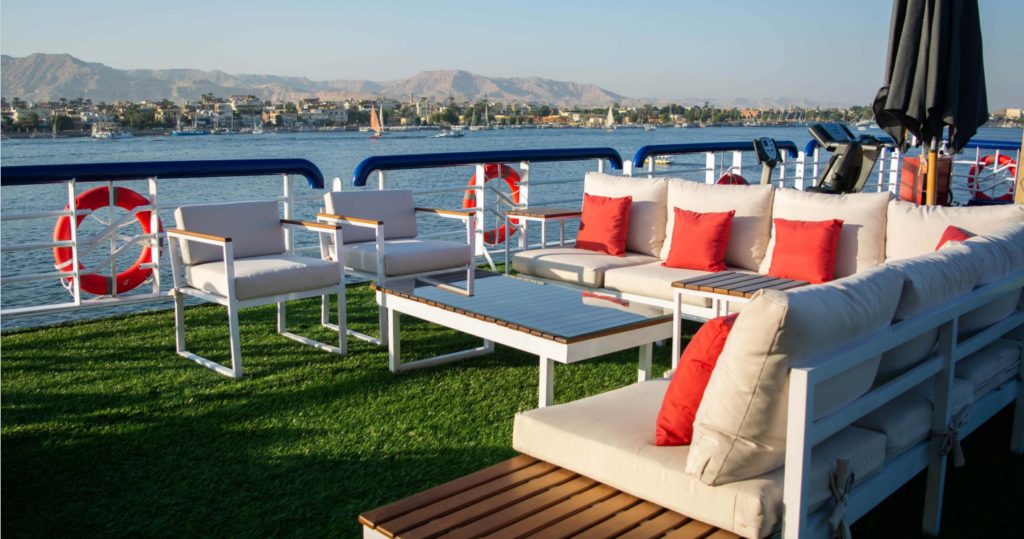
Very little: 7 January closes banks and government offices, but museums, monuments and Nile cruises run as usual, and the bigger effect is the peak-season crowds of the first week of January.
The days from late December to 7 January are among the busiest of the tourist year, so book cruises, hotels and flights from Australia well ahead. Western Christmas on 25 December is a normal working day for most Egyptians, though hotels and Nile ships mark it with trees and gala dinners; see Christmas and New Year in Egypt. Two weeks later, the Coptic Epiphany (Eid al-Ghitas, around 19 January) is celebrated with sugar cane, taro and citrus. Our Egypt in January guide covers the weather and events of the month.
Frequently asked questions
When is Coptic Christmas?
Coptic Christmas is on 7 January, with the main service on the evening of 6 January. It is a national public holiday in Egypt.
Can tourists go to Coptic Christmas mass?
Yes. Visitors who dress modestly and behave respectfully are welcome. Arrive early, carry your passport for security checks and ask before taking photos.
Is 25 December a holiday in Egypt?
No. 25 December is a normal working day, though tourist hotels and cruise ships celebrate it, and Catholic and Protestant churches hold services.
Are sites open on 7 January?
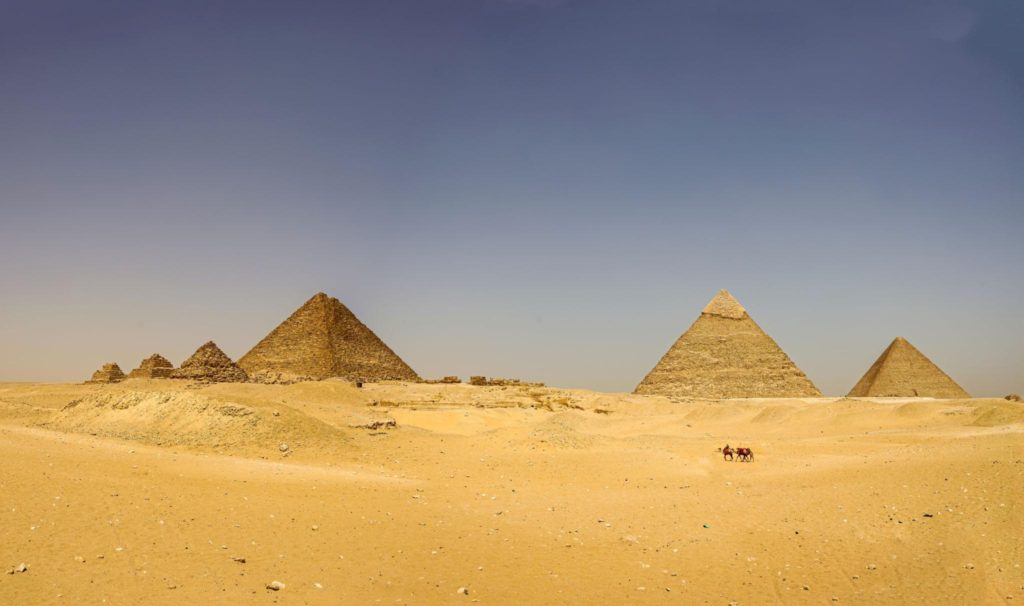
Yes. The pyramids, museums and temples open as usual; only banks and government offices close.
What do Copts eat at Christmas?
After a 43-day fast without meat or dairy, families break the fast with fattah, roast meat and kahk biscuits, often straight after the midnight liturgy.