Quick answer
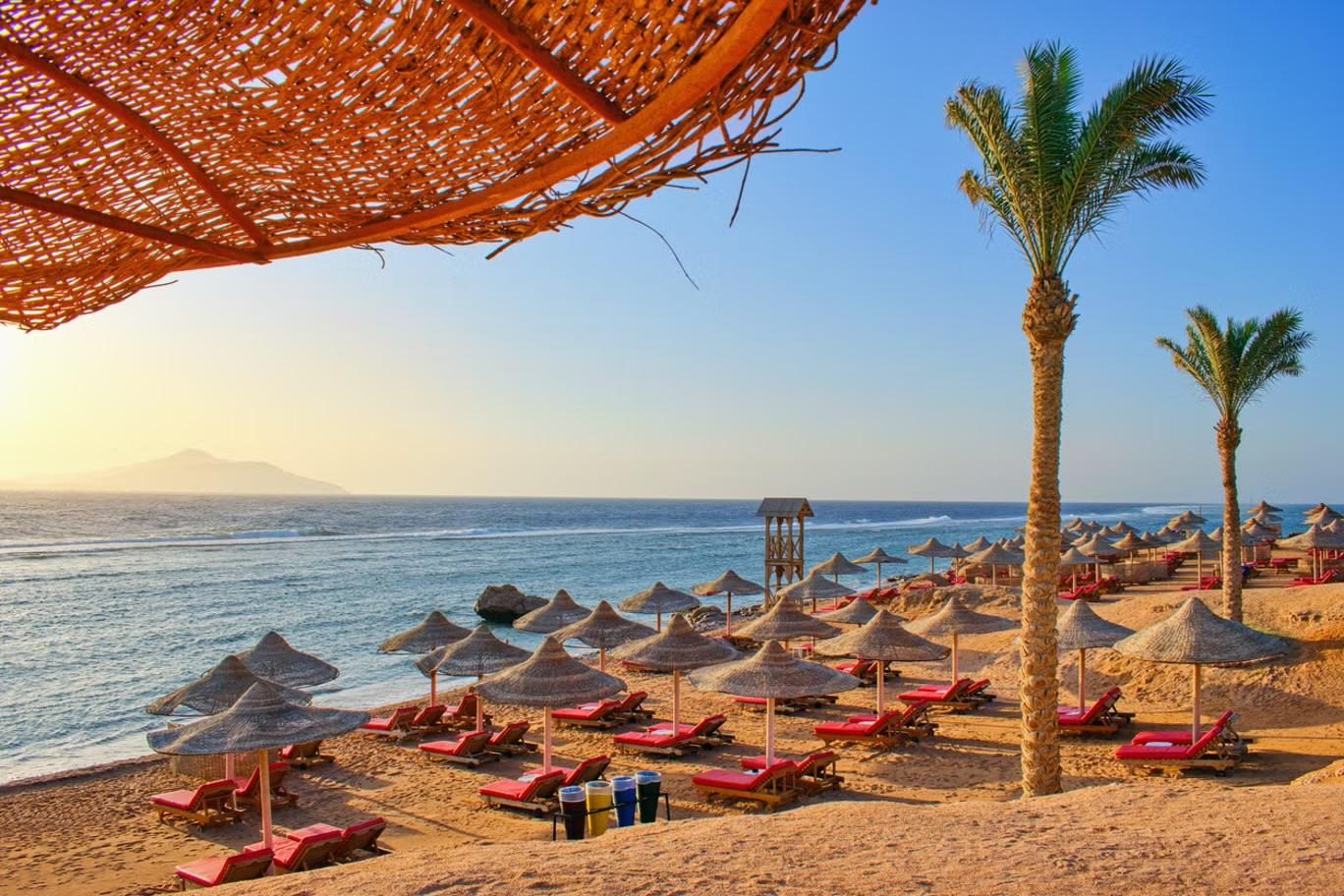
Sham el-Nessim is Egypt's national spring holiday, held on the Monday after Coptic (Orthodox) Easter and celebrated by Muslim and Christian Egyptians alike with picnics, coloured eggs, green onions and salted fish. In 2027 it falls on Monday 3 May, the day after Coptic Easter on 2 May. Sights stay open, but parks, the Nile banks, feluccas and the Red Sea are packed.
What is Sham el-Nessim?
Sham el-Nessim is a one-day national holiday that welcomes spring, and for most Egyptians it means a day outdoors with family, a picnic and a very particular menu. It is one of the few festivals in Egypt that belongs to everyone: it is not a Muslim or a Christian feast, and families of both faiths celebrate it in exactly the same way.
The name is usually translated as "smelling the breeze", from the Arabic shamm (to smell) and nessim (breeze), and that is what people set out to do: leave the city flat early, find a patch of grass or riverbank, and spend the day eating, talking and letting the children run. Workplaces, schools, banks and government offices close. In many households the evening before is spent dyeing eggs and buying the salted fish that is the day's most famous, and most controversial, dish.
When is Sham el-Nessim, and why does the date move?
Sham el-Nessim always falls on the Monday after Coptic Easter, so it moves with the Orthodox Easter calendar: Monday 3 May in 2027 and Monday 17 April in 2028.
| Year | Coptic Easter | Sham el-Nessim | Nearby holidays |
|---|---|---|---|
| 2027 | Sunday 2 May | Monday 3 May | Labour Day 1 May; Eid al-Adha expected around 16 May |
| 2028 | Sunday 16 April | Monday 17 April | Western Easter falls on the same day |
The link with Easter is usually explained by the Coptic Great Lent. During the 55-day fast, Coptic Christians avoid fish, eggs and other animal products, so a spring feast built around eggs and fish was placed after Easter, when everyone could eat them. In 2027 that creates an unusual three-day run of holidays, from Labour Day on Saturday 1 May through Coptic Easter to Sham el-Nessim, so expect a long weekend of domestic travel. Our Egypt in May guide covers the whole month, and Easter in Egypt explains the church services the day before.
Where does the festival come from?
Egyptians commonly trace Sham el-Nessim back to the pharaohs, linking it to the start of Shemu, the ancient harvest season, though the festival as it is celebrated now took shape in the Coptic and Islamic centuries.
The ancient Egyptian year had three seasons tied to the river: Akhet (the flood), Peret (the growing season) and Shemu (harvest and low water). Many Egyptian writers argue that "Sham" is a distant echo of Shemu, and that eggs, fish and onions, all staples of the ancient diet, carry ancient symbolism of new life and plenty. Historians are more cautious, because there is no direct record of a single continuous festival. What is certain is that the day has been celebrated in Egypt for many centuries, that its timing was fixed to the Coptic Easter calendar, and that it survived every change of religion and government because it was never really about religion at all.
If the ancient calendar interests you, our guide to the Nile flood and the Egyptian calendar explains how the seasons were counted.
What do Egyptians eat on Sham el-Nessim?
The classic Sham el-Nessim spread is coloured hard-boiled eggs, salted or smoked fish, green onions, lettuce, lupin beans and fresh green chickpeas, eaten outdoors with baladi bread.
- Coloured eggs: boiled and dyed the night before, often by children, and sometimes drawn on with names and faces.
- Feseekh: grey mullet that has been salted and left to ferment for weeks until soft and pungent, eaten with lemon, onion and bread. It is an acquired taste even for many Egyptians.
- Renga and sardines: smoked herring and salted sardines, milder alternatives to feseekh.
- Green onions and lettuce: eaten raw. Some families also follow the old custom of crushing an onion and sniffing it in the morning, or hanging onions by the door.
- Termis and malana: brined lupin beans, and bunches of fresh green chickpeas eaten straight from the pod.
A word of caution on feseekh. Badly prepared fermented fish can carry botulism, and Egypt's health ministry issues warnings every year around Sham el-Nessim and Eid. If you want to try it, buy only from a long-established shop with a high turnover, and many travellers sensibly skip it. Smoked renga and the rest of the spread are a safer bet, and delicious. For more on the national kitchen, read our guide to Egyptian food.
Where do Egyptians celebrate?
Anywhere green or near water: city parks, the zoo, the Nile banks and boats, the Delta Barrage at Al-Qanater al-Khayriya north of Cairo, and Alexandria's seafront gardens.
- Cairo: Al-Azhar Park and the Giza Zoo area fill from mid-morning, and families crowd the Nile Corniche. Al-Qanater, where the 19th-century barrages divide the Nile into its Delta branches, is a traditional picnic spot about an hour from central Cairo.
- The Nile: feluccas and motorboats are hired by the hour, and landings in Cairo, Luxor and Aswan see queues all day. Music, clapping and dancing on board are part of the fun.
- Alexandria: the Montaza gardens and the long Corniche draw families from across the Delta.
- Luxor and Aswan: the corniches and river islands are lively with local families, and the west bank villages hold their own picnics.
The atmosphere is relaxed, noisy and friendly. Visitors who stroll through a park are often offered an egg or a handful of termis, and a smile and "kull sana wenta tayyib" (many happy returns) is the right response.
How does Sham el-Nessim affect a trip to Egypt?
Museums and monuments stay open, but anything that Egyptian families enjoy on a day out, from feluccas to Red Sea resorts, will be at its busiest, so plan sightseeing early and book transport ahead.
- Sights: the pyramids, the Grand Egyptian Museum and the temples open as normal but see more domestic visitors from late morning. Go at opening time.
- Transport and resorts: trains, domestic flights and Red Sea and Alexandria hotels fill for the long weekend, especially in 2027 when three holidays fall together.
- Banks and offices: closed; ATMs work as usual.
- Feluccas: if a sunset sail is on your list, book a private boat through your guide rather than queueing at the landing. Our felucca guide explains how private sails work.
In practice, Sham el-Nessim rarely spoils a trip and often adds to it. A private itinerary simply swaps the order of the day: the big site first, a long lunch, and the afternoon on a hotel terrace or a quiet stretch of river while the city picnics. For the full holiday calendar, see public holidays in Egypt.
Frequently asked questions
When is Sham el-Nessim in 2027?
Monday 3 May 2027, the day after Coptic Easter (2 May). In 2028 it falls on Monday 17 April.
Is Sham el-Nessim a Christian or a Muslim holiday?
Neither, strictly. Its date follows Coptic Easter, but it is a national spring festival celebrated in the same way by Muslim and Christian Egyptians.
Is it safe to eat feseekh?
Badly prepared feseekh can cause botulism, and the health ministry warns about it every year. If you try it, buy from a reputable, busy shop, or choose smoked renga instead.
Are tourist sites open on Sham el-Nessim?
Yes. Museums, the pyramids and temples open as normal, though they are busier with Egyptian families. Banks and government offices close.
What does Sham el-Nessim mean?
It is usually translated as smelling the breeze. Many Egyptians also link the name to Shemu, the harvest season of the ancient Egyptian calendar.