Quick answer
Stay on the East Bank if you want to walk to Luxor Temple, the Corniche, restaurants and the Luxor Museum; stay on the West Bank if you want quiet, village life and the shortest trip to the Valley of the Kings at opening time. Most first-time visitors are happiest on the East Bank, ideally on or near the Corniche; the West Bank rewards a second visit, a longer stay or an archaeology focus.
Should you stay on the East Bank or the West Bank in Luxor?
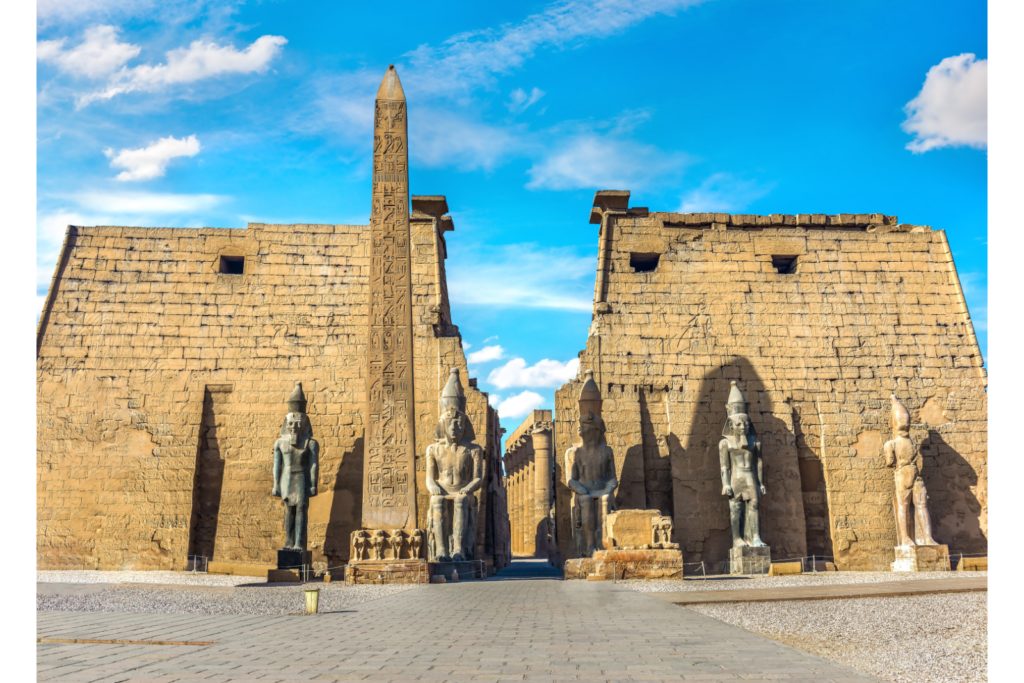
Choose the East Bank for convenience and choice, and the West Bank for peace and early access to the tombs. The ancient Egyptians put the city of the living on the east of the Nile, where the sun rose, and their royal necropolis on the west. Luxor still works that way: the town, shops, restaurants and big hotels are on the East Bank, while the West Bank is farmland, villages and the Theban hills honeycombed with tombs.
The river is the real divide. Between the banks there is a public ferry and private motorboats from the Corniche for short crossings on foot, but a car has to go round via the bridge several kilometres south of town. If you plan to spend most of your days at the Valley of the Kings, Hatshepsut's temple and Medinet Habu, the West Bank saves time; if you want Karnak, Luxor Temple at night and a choice of dinners, the East Bank wins.
How do Luxor's areas compare?
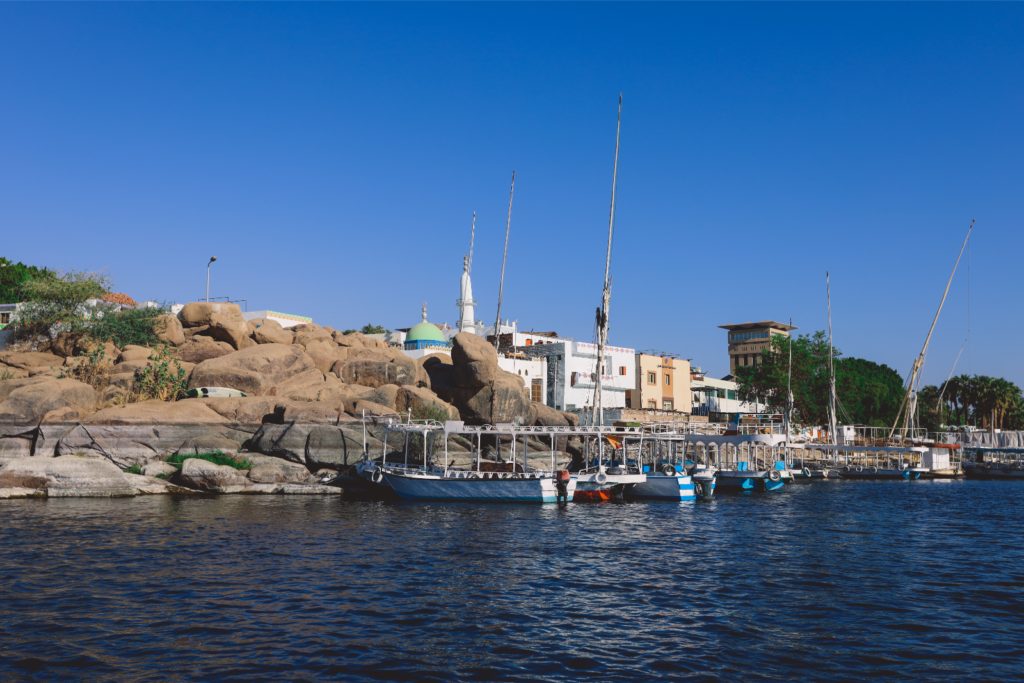
Luxor has four realistic bases, plus the option of sleeping on a Nile cruise ship moored on the East Bank.
| Area | Walk to | To the Valley of the Kings | Atmosphere | Best for |
|---|---|---|---|---|
| Central East Bank (Corniche and Luxor Temple) | Luxor Temple, Luxor Museum, souq, restaurants, ferry | 35–45 min by car | Lively, historic hotels, river views west | First-timers, couples |
| Karnak end (north) | Karnak Temple, if you don't mind the heat | 40–50 min by car | Resort hotels with gardens, quieter | Families, pool time |
| South East Bank and islands | Little; hotel shuttles and taxis | 30–40 min by car | Large resorts, gardens | Relaxed stays, value |
| West Bank villages | Fields, village cafés; some sites are a short drive | 15–25 min by car | Rural, quiet, mountain views | Return visitors, Egyptology fans |
| Nile cruise ship | Depends on the mooring | 35–50 min | Floating hotel, short stay | Travellers starting or ending a cruise |
What is it like staying on the East Bank Corniche?
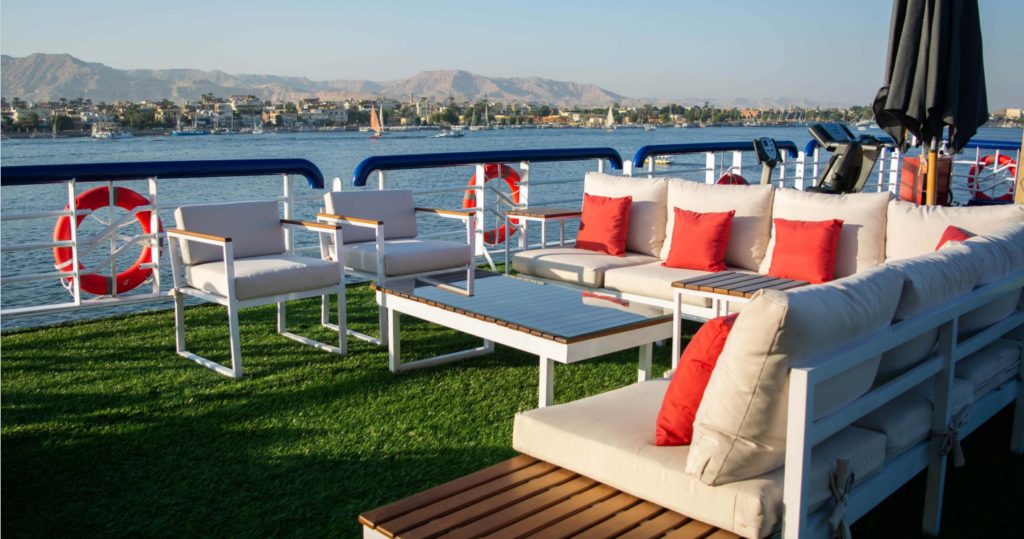
The central Corniche is Luxor's classic address: you can stroll to Luxor Temple after dark, take a calèche along the river and watch the sun set over the West Bank hills from your balcony.
The landmark is the Sofitel Winter Palace, opened in 1886 and the place where the discovery of Tutankhamun's tomb was announced in 1922; its Victorian façade faces the river, and its gardens are a cool refuge in the afternoon. Several large international hotels line the river further south, and the street behind the Corniche has the market, cafés and simpler hotels.
The trade-offs are noise and attention. Calèche drivers and felucca touts work the Corniche hard, and the call to prayer from nearby mosques is loud before dawn. A room on a high floor facing the river helps on both counts. The Luxor Museum on the Corniche opens into the evening, which makes it easy to fit in after a hot day across the river.
What about the Karnak end and the southern resorts?
Hotels at the northern Karnak end and along the southern East Bank trade walkability for space: bigger gardens and pools, fewer touts, and a shuttle or taxi to the centre.
The Hilton Luxor Resort & Spa, about 4 km north of the centre near Karnak, is a good example of the northern style, with infinity pools above the river. The southern stretch towards the bridge has larger resort-style hotels, some on islands reached by hotel boat. These suit families and travellers who want an afternoon by the pool between early starts; they are less suited to anyone who wants to wander out for dinner. Taxis and calèches to the centre are cheap, but agree prices before you set off.
Why stay on the West Bank?
On the West Bank you wake to birdsong and sugar cane fields rather than traffic, and you can be at the Valley of the Kings ticket office as it opens before the cruise-ship groups have crossed the river.
Accommodation here is mostly small: family-run hotels in mud-brick or traditional style, guesthouses in the villages near the ferry landing, and a handful of boutique properties near the hills. Rooftop terraces with views of the Theban mountains are common; lifts and large pools are not. Many places can arrange donkey or bicycle trips through the fields to Deir el-Medina and the Tombs of the Nobles.
The West Bank also suits early risers: hot-air balloons launch from here at dawn, so pick-ups are short. On the downside, evening choices are limited to a few local restaurants and your hotel, and a trip to Karnak or the Luxor Museum means a ferry crossing or a 30–40 minute drive. It works best for a second visit or as part of a three-night stay split across both banks.
How do you get around from each Luxor base?
On the East Bank you can walk, take a calèche or flag a taxi; crossing to the West Bank takes a few minutes by public ferry or motorboat, or 30–45 minutes by car via the bridge.
- Public ferry: the cheapest way across, running frequently from a landing near Luxor Temple to the West Bank for a fare of a few pounds. On the other side, taxis and drivers wait to take you to the sites.
- Motorboats: private boats leave from steps along the Corniche at any time. Agree the price for the crossing (and the return, if you want them to wait) before you board.
- Calèches: horse-drawn carriages are a slow, pleasant way along the Corniche to Karnak, about 3 km from Luxor Temple. Agree the fare and the route first, and choose a driver whose horse looks well cared for.
- Bicycles: West Bank guesthouses often rent them; the flat road between the villages and the Colossi of Memnon is easy, but the tomb valleys are hot climbs.
- Private driver: on our tours, a driver and Egyptologist guide handle all of this, which makes the base you choose matter less.
Should you sleep on a Nile cruise or in a Luxor hotel?
If you are taking a Nile cruise, add at least one hotel night in Luxor before or after it; the ship's schedule gives you only a short window to see the city.
Cruise ships moor along the East Bank, often several abreast, so your cabin may look straight into another ship's windows. A hotel night lets you see the West Bank at opening time, visit premium tombs like Seti I or Nefertari, take Dendera and Abydos as a day trip, or fly in a balloon without fitting it around embarkation. Our Nile cruises guide and Luxor airport guide explain how arrival and boarding fit together.
Which Luxor base should you choose?
For most travellers, the East Bank Corniche; for those who already know Luxor, the West Bank.
- First-timers: central East Bank, close to Luxor Temple and the ferry.
- Luxury and honeymoons: the Winter Palace for history and gardens; see our Egypt honeymoon.
- Families: a resort hotel at the Karnak end or south of the centre, with a pool for afternoons.
- Egyptology enthusiasts: the West Bank, for early tomb visits and quiet evenings.
- Budget travellers: East Bank hotels behind the Corniche, or simple West Bank guesthouses.
- Cruise passengers: one or two nights on the East Bank before or after the ship.
Frequently asked questions
Is it better to stay on the East or West Bank of Luxor?
The East Bank is better for most first-time visitors, with walkable temples, restaurants and more hotels. The West Bank is better for quiet and for reaching the Valley of the Kings at opening time.
How do you cross from the East Bank to the West Bank in Luxor?
On foot, by the public ferry or a motorboat from the Corniche, which takes a few minutes. By car, cross the road bridge south of town, which takes about 20–30 minutes from the centre.
How many nights should I stay in Luxor?
Two to three nights on land, or one or two nights added to a Nile cruise. Read our Luxor destination guide for what to fit in.
Is the Winter Palace in Luxor worth it?
For history and atmosphere, yes. The hotel opened in 1886, faces the Nile and the West Bank hills, and is a short walk from Luxor Temple.
Are West Bank hotels in Luxor good for families?
Some are, but many are small, without lifts or big pools. Families usually prefer East Bank resort hotels. See our Egypt with kids guide.