Quick answer
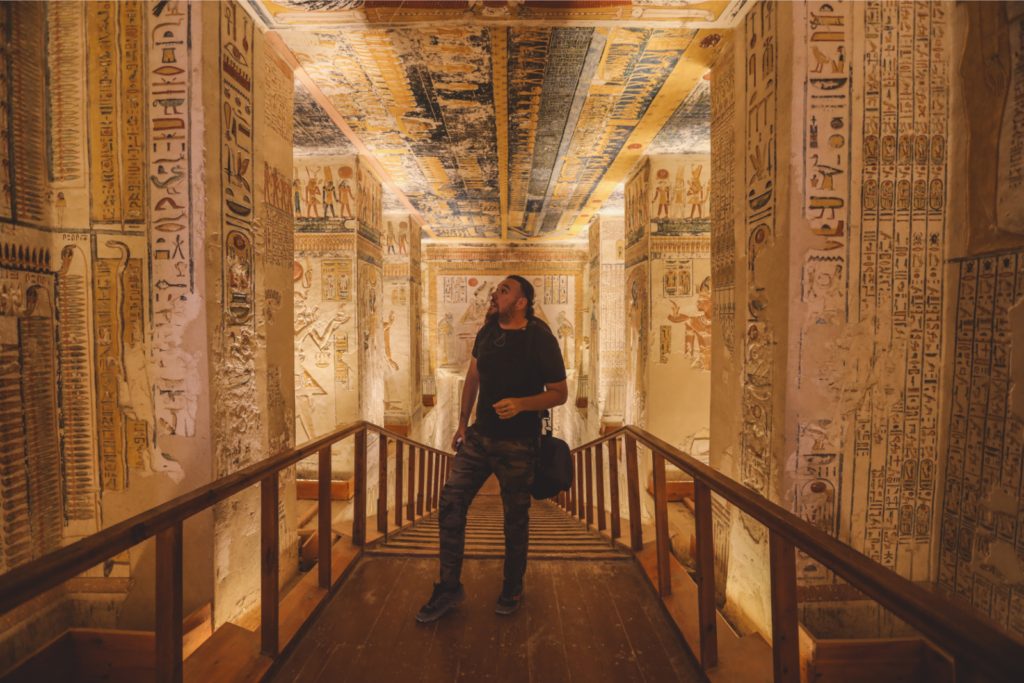
The Cairo Pass and Luxor Pass are official multi-site tickets from Egypt's Ministry of Tourism and Antiquities, giving entry to most state-run monuments and museums in each city over several consecutive days. The premium Luxor Pass adds the tombs of Nefertari and Seti I. They're bought in person with your passport and a photo, priced for foreign visitors, and worth it only if you're touring independently and visiting many sites in a short time.
What are the Cairo Pass and the Luxor Pass?
They are official sightseeing passes, sold by Egypt's Ministry of Tourism and Antiquities, that replace individual tickets at most state-run archaeological sites and museums in Cairo or Luxor for a set number of consecutive days. Each pass is a personal card with your name and photo; you show it with your passport at each ticket gate.
The passes were introduced to encourage longer, independent stays, and they suit a particular kind of traveller: someone exploring at their own pace, returning to favourite sites and adding minor monuments that a standard tour skips. For most people on a guided itinerary, entry tickets are already included, which makes a pass unnecessary.
The details, including the price, the sites covered, the validity period and where to buy, have changed several times since the passes launched. Treat this page as a guide to how they work and check the current terms with the Ministry, via egymonuments.gov.eg, before you rely on one.
What does each pass include?
The Luxor Pass covers the main east and west bank sites, including Karnak, Luxor Temple, the Valley of the Kings and Hatshepsut's temple, while the Cairo Pass covers Giza, Saqqara, Dahshur and the main museums and Islamic and Coptic monuments. At the time of writing, the coverage looked broadly like this:
| Generally included | Check or likely excluded | |
|---|---|---|
| Luxor Pass (standard) | Karnak, Luxor Temple, Luxor Museum, the Valley of the Kings, the Temple of Hatshepsut, Medinet Habu, the Ramesseum, Deir el-Medina, Tombs of the Nobles, the Valley of the Queens | Tomb of Nefertari, Tomb of Seti I (premium only); Tutankhamun's tomb; sound and light shows |
| Luxor Pass (premium) | Everything in the standard pass plus the tombs of Nefertari and Seti I | Other special-ticket tombs; balloon flights; sound and light |
| Cairo Pass | The Giza plateau, Saqqara, Dahshur, the Egyptian Museum in Tahrir, the NMEC, the Coptic Museum, the Citadel and other Islamic Cairo monuments | The Grand Egyptian Museum; interiors of the Great Pyramid and some special tombs; sound and light |
The premium Luxor Pass is the headline: separate tickets to the tomb of Nefertari and the tomb of Seti I are among the most expensive in Egypt, so if you plan to see both, the premium version can pay for itself quickly. Whether a pass covers the Grand Egyptian Museum or the pyramid interiors has varied, so confirm before buying.
Who can buy the passes, and how?
The passes are sold to foreign visitors in person at designated ticket offices, on presentation of your passport, a passport photo and, usually, a photocopy of your passport's photo page. They are not generally sold at every ticket booth, and the list of offices selling them has changed.
- Where: in recent years, passes have been sold at selected major sites and Ministry offices in Cairo and Luxor. Ask at the main ticket office of a large site or check egymonuments.gov.eg for the current list.
- What to bring: passport, a passport-sized photo and a photocopy of the photo page. Bringing these saves a wasted trip.
- Payment: prices have often been set in US dollars or euros; card payments have become more common at ticket offices, but carry an alternative.
- Students: a reduced price applies with a valid student card (an ISIC is the safest choice); bring the card itself.
- Non-transferable: the pass carries your name and photo and can't be shared or resold.
Is the Luxor Pass or Cairo Pass worth it?
A pass is worth it if the individual tickets for the sites you'll actually visit within its validity add up to more than the pass, which usually means four or five busy days of independent sightseeing. It's rarely worth it for a one or two-day visit.
To work it out:
- List the sites you genuinely plan to visit in Cairo or Luxor, including any premium tombs.
- Look up each current ticket price on egymonuments.gov.eg and add them up.
- Compare with the current pass price, and check the validity window matches your days.
As a rule of thumb at the time of writing, the premium Luxor Pass offers the clearest value for anyone spending three or more days in Luxor who wants to see Nefertari and Seti I, while the Cairo Pass suits travellers spending several days around Giza, Saqqara, Dahshur and the museums. Our itineraries for three days in Luxor and three days in Cairo give a sense of how many sites fit in.
Do you need a pass on a guided tour or cruise?
Usually not: most tailor-made tours and Nile cruises include standard entry fees, so a pass would duplicate what you've already paid for. Check your itinerary's inclusions before buying anything.
Our own journeys include standard entry fees for the sites in the itinerary, and our Luxury Egypt journey also includes the tombs of Seti I, Tutankhamun and Nefertari. If you're planning a longer independent stay in Luxor at the end of a tour, ask us to compare the cost of a pass with individual tickets for the extra days. Nile cruise sightseeing between Luxor and Aswan, such as Edfu and Kom Ombo, falls outside both passes; see our Nile cruise guide.
What don't the passes cover?
The passes don't cover Aswan, Abu Simbel or the temples between Luxor and Aswan, and they exclude privately run attractions and extras such as sound and light shows and balloon flights. Expect to pay separately for:
- Sites in Aswan and Abu Simbel, and the cruise temples of Edfu, Kom Ombo and Esna.
- Sound and light shows at Giza, Karnak and Philae, run by a separate company.
- Hot-air balloon flights over Luxor and felucca rides.
- Some special-ticket tombs and pyramid interiors, depending on the current pass terms.
- Private museums and attractions not run by the Ministry.
Photography with phones and personal cameras is free at most sites at the time of writing, but tripods and professional equipment can still need permits, so a pass doesn't change the camera rules.
How do you use a pass on the day?
Carry the pass and your passport together, show both at each site's ticket gate, and expect staff to check your name and photo; some sites also issue a paper ticket against the pass. The process is quick at large sites where staff see passes regularly, and a little slower at minor monuments.
- Start date: the validity period usually starts from the date of issue or first use, so buy it when you're ready to start sightseeing rather than the evening you arrive.
- Re-entry: passes have generally allowed one entry per site per day; ask when buying if you plan to return to Karnak or the Valley of the Kings at a different time of day.
- Lost passes: treat it like cash; a lost pass is unlikely to be replaced.
- Special tickets on site: where a tomb needs a separate ticket that the pass doesn't cover, buy it at the main ticket office before you walk up, as you can't usually buy it at the tomb door.
What other ways are there to save on entry tickets?
Student discounts, buying only the premium tombs you really want, and choosing the right combination of sites save more than chasing a pass for most visitors.
- Students: foreign students with valid ID get roughly half-price entry at most Ministry sites.
- Be selective: at the Valley of the Kings the standard ticket covers a set number of tombs; choose them with your guide and add only the special tombs that interest you, such as Tutankhamun's.
- Online tickets: the Ministry's site sells tickets for many monuments, which saves queues even if not money.
- Timing: evening openings at some museums and temples don't cost more but are cooler and quieter.
Ticket prices for foreigners have risen in recent years, so budget from the current official prices, not older blog posts. Our cost of an Egypt trip guide puts entry fees in the context of a whole holiday.
Frequently asked questions
Does the Luxor Pass include the tomb of Nefertari?
Only the premium Luxor Pass, which adds the tombs of Nefertari and Seti I. The standard pass excludes them. Check the current terms before buying, as coverage has changed over time.
Does the Cairo Pass include the Grand Egyptian Museum?
At the time of writing the GEM has generally been ticketed separately. Confirm on egymonuments.gov.eg before buying. See our Grand Egyptian Museum guide.
Where can I buy the Luxor Pass?
In person at designated ticket offices in Luxor and Cairo, with your passport, a passport photo and usually a copy of your passport. The list of selling offices changes, so ask at a major site or check egymonuments.gov.eg.
How long is the Luxor Pass valid?
For a set number of consecutive days, five at the time of writing. Check the validity when buying.
Is the Luxor Pass worth it on a Nile cruise?
Usually not. Cruises and tours generally include standard entry fees, and the cruise temples of Edfu and Kom Ombo aren't covered by the pass. It suits independent travellers spending several days in Luxor.